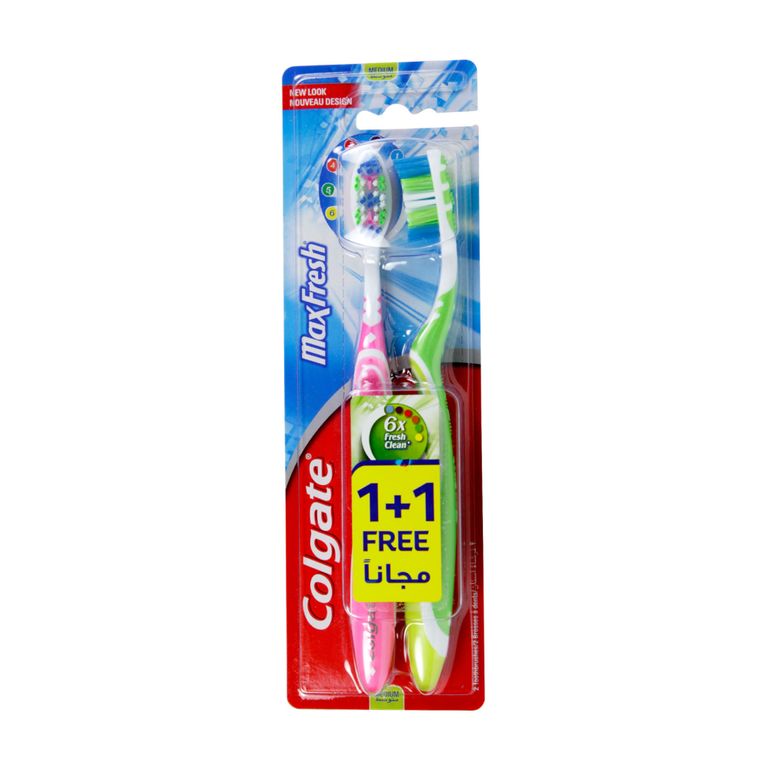
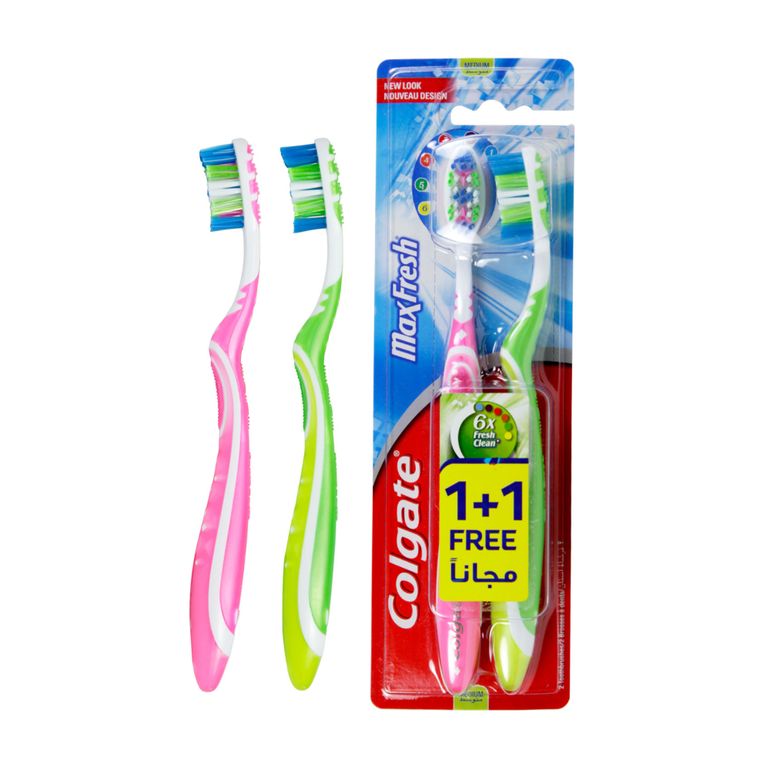
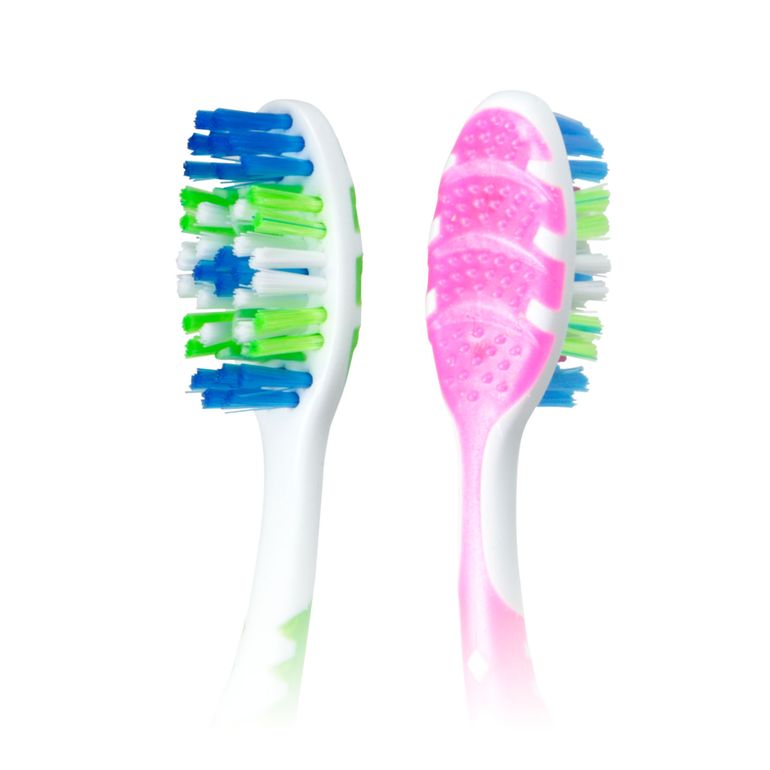
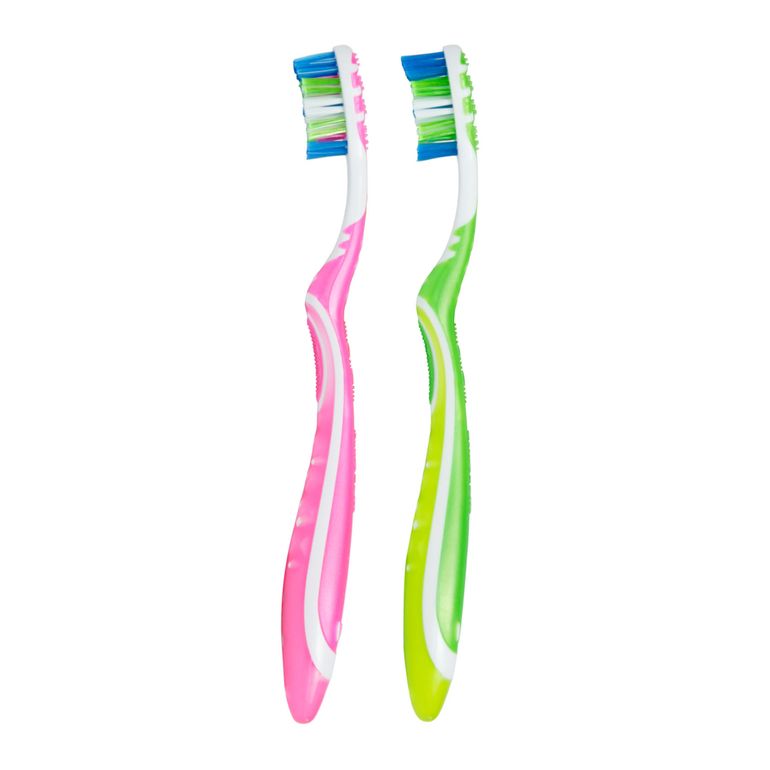
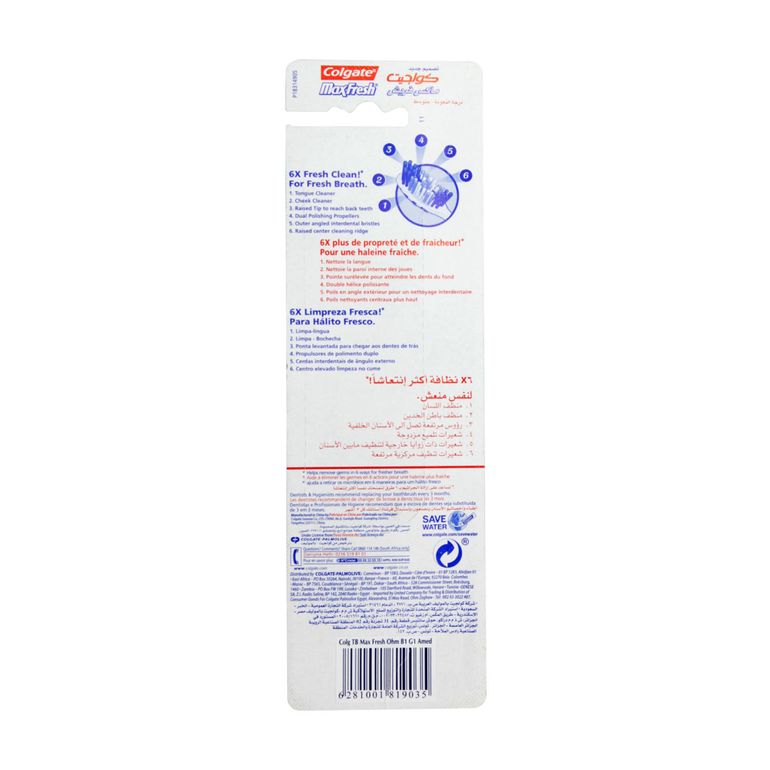
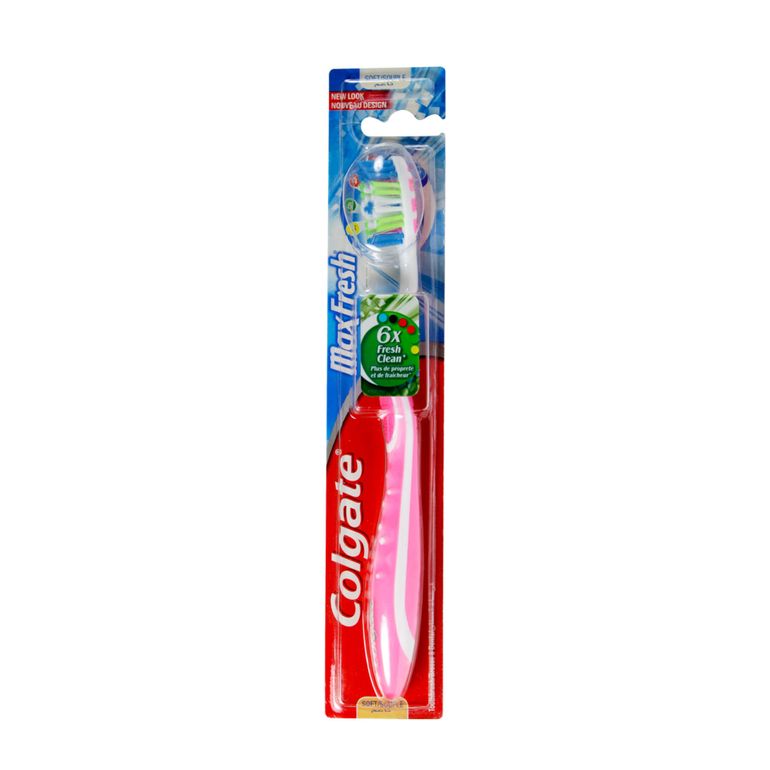
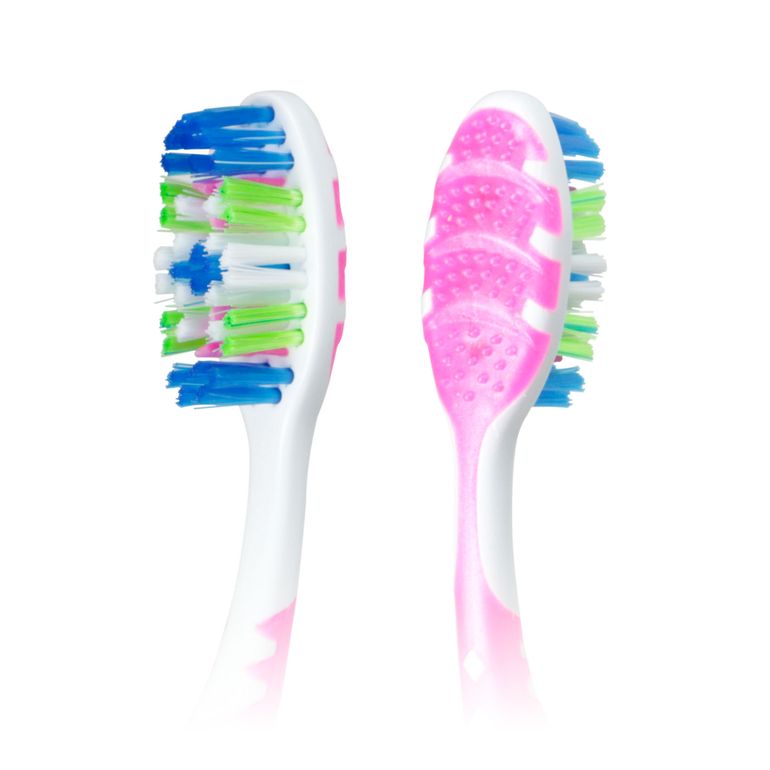
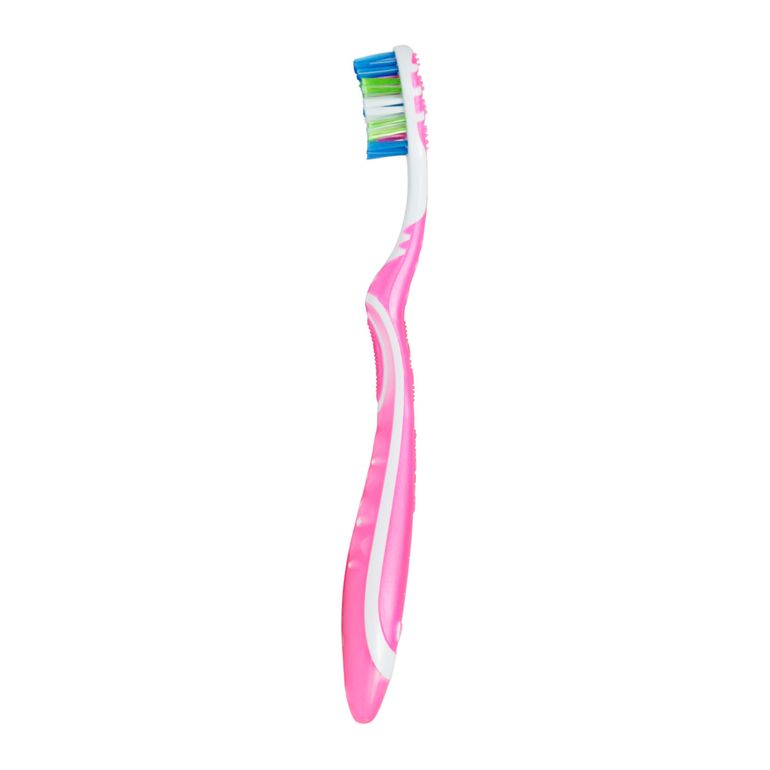
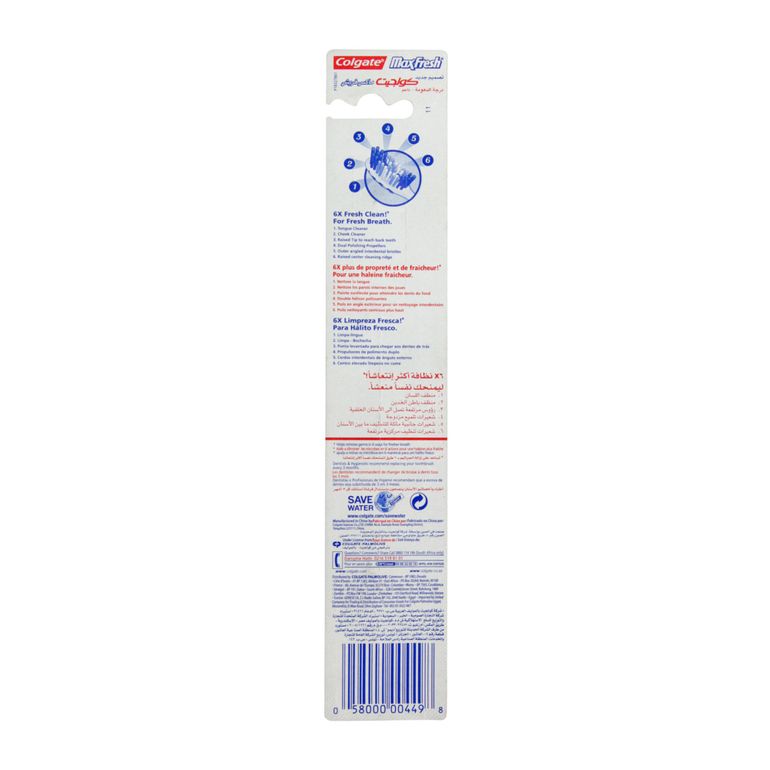
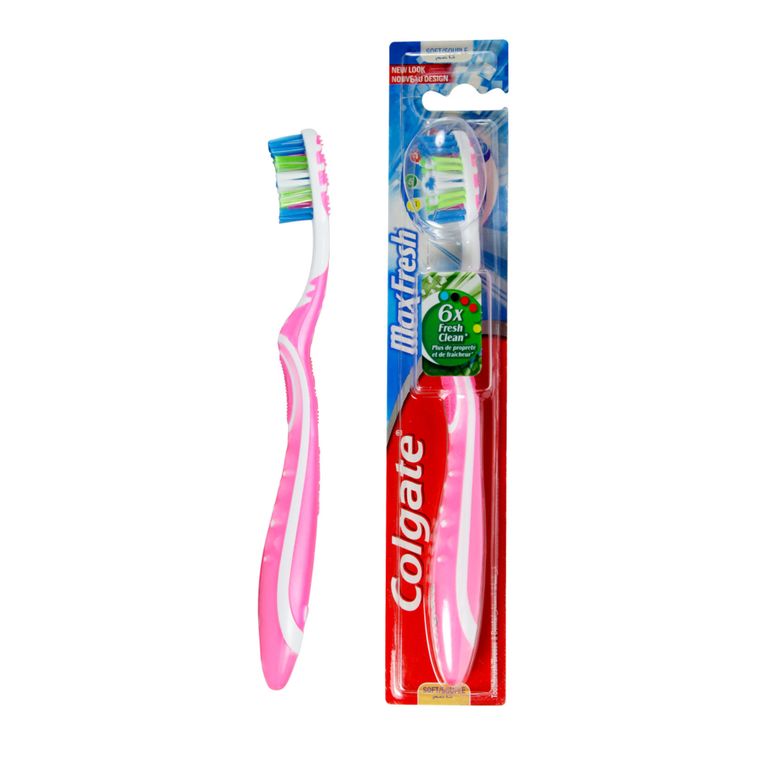
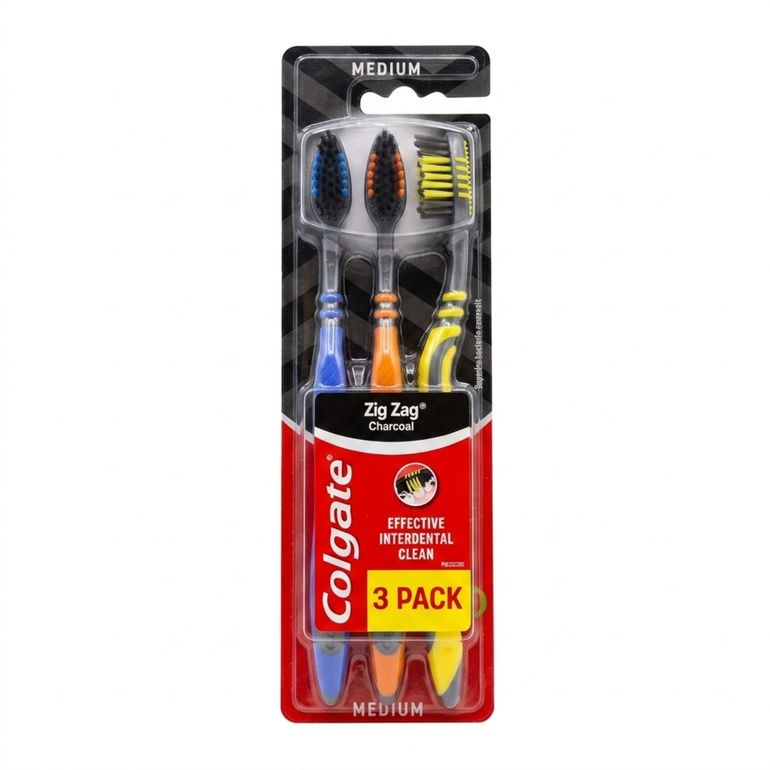
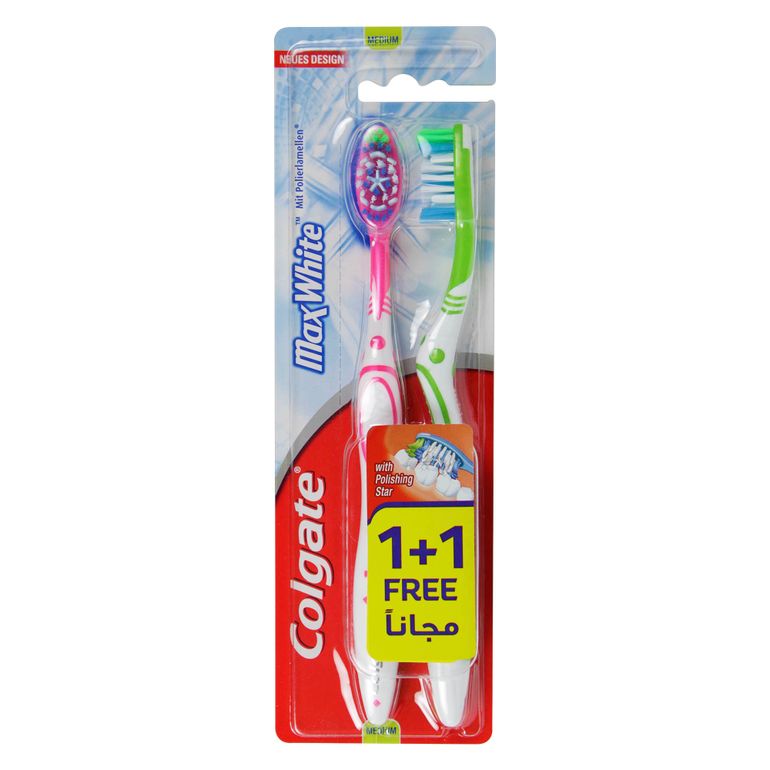
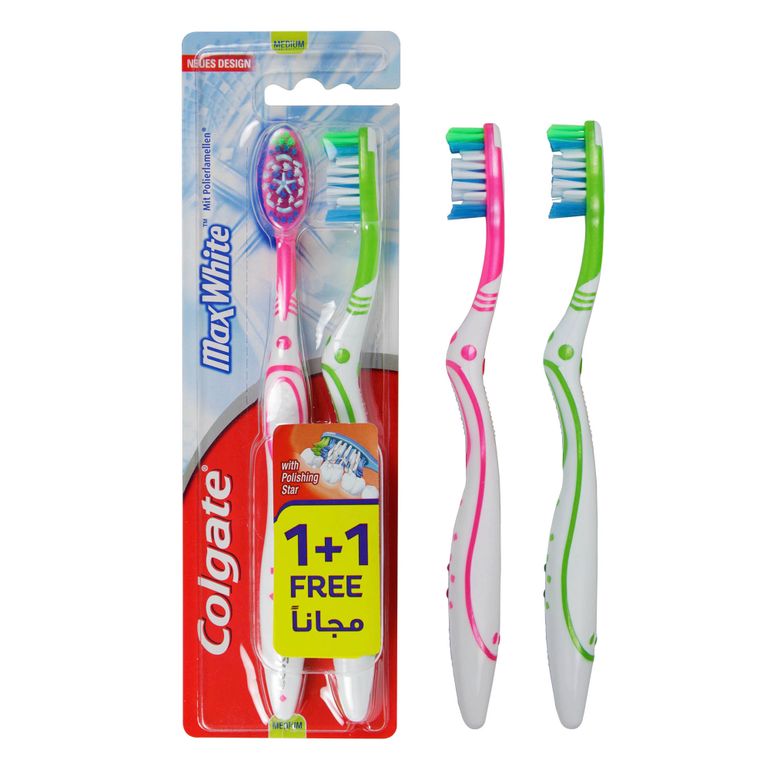
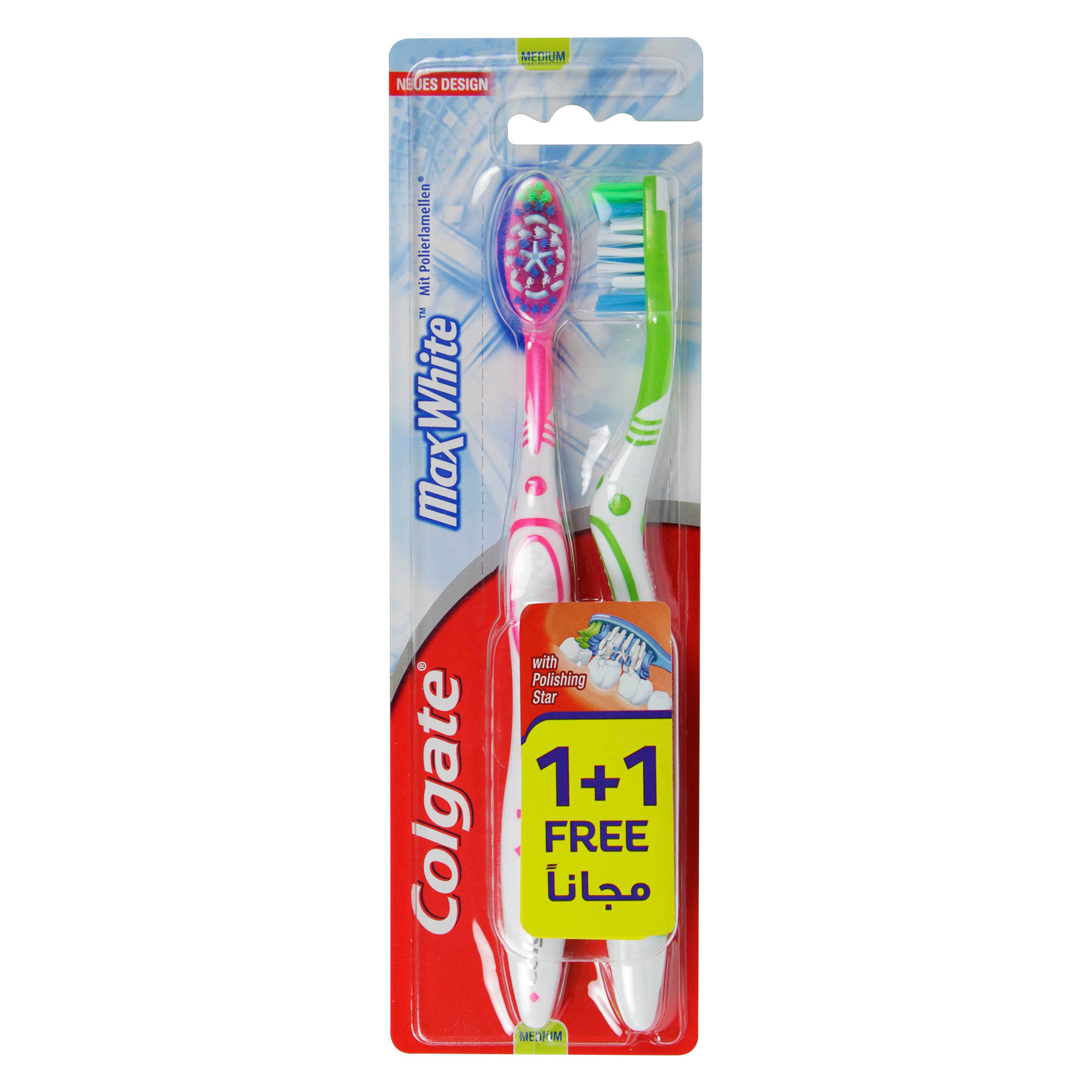
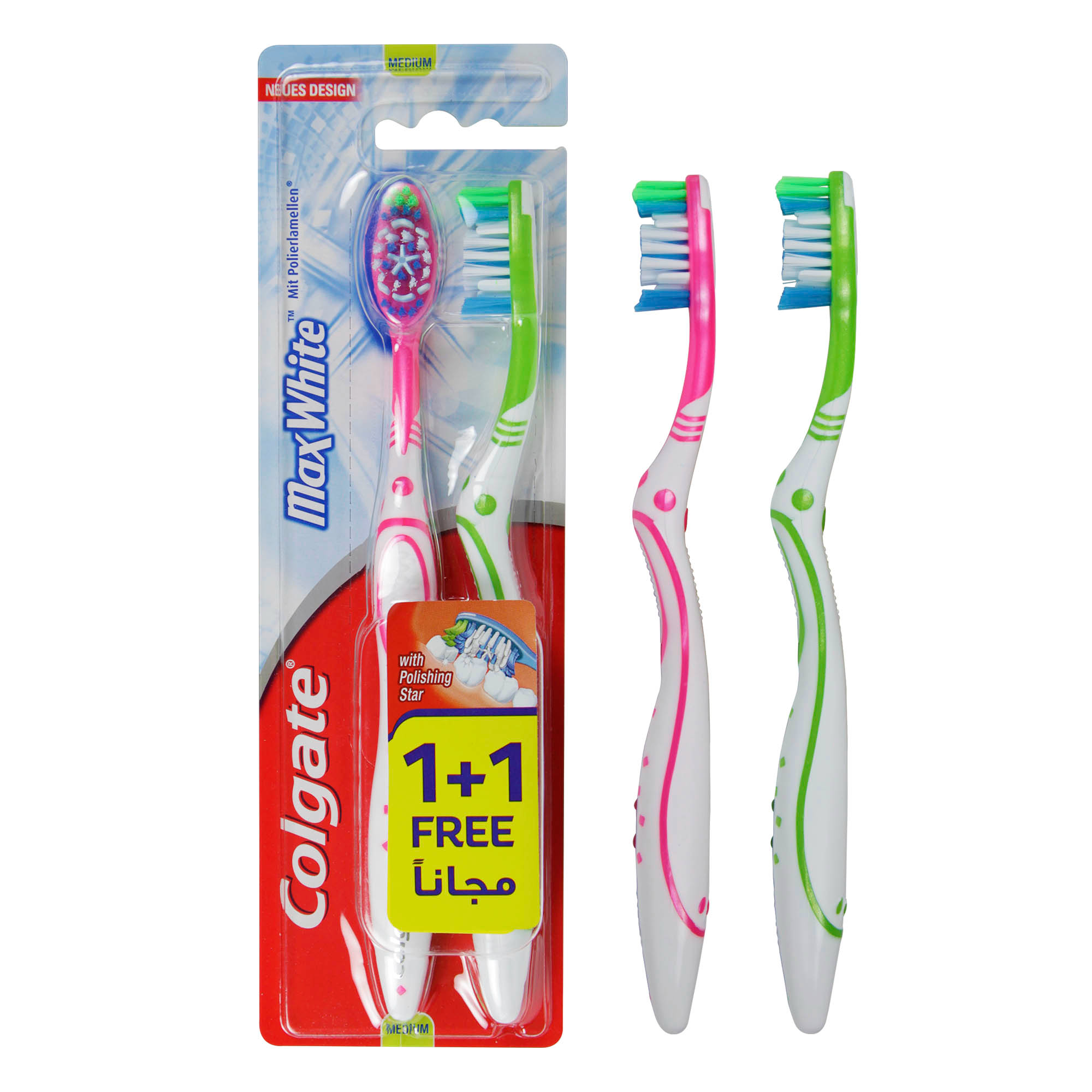
Colgate Max White Charcoal Toothbrush is a manual oral hygiene device engineered for mechanical plaque removal and the reduction of extrinsic enamel pigmentation (surface staining). Designed for daily preventive dental care, this toothbrush integrates micro-thin bristle filaments infused with activated charcoal particles alongside a central elastomer polishing element.
From a dental public health perspective, regular mechanical plaque disruption using an appropriately designed manual toothbrush is a primary intervention for preventing gingivitis, dental caries, and bad breath (halitosis). The Colgate Max White Charcoal toothbrush provides targeted mechanical cleaning to maintain mucosal and periodontal health while assisting in restoring natural enamel luminosity.
Key Medical Benefits & Clinical Value
Targeted Extrinsic Stain Removal: Facilitates the mechanical lifting of exogenous stains caused by dietary chromogens (such as coffee, tea, and red wine) and tobacco use without requiring chemical bleaching agents.
Effective Plaque Disruption: Multi-height bristle configurations penetrate interdental spaces and gingival margins to disrupt the oral biofilm (dental plaque), reducing the risk of localized gingival inflammation.
Support for Periodontal Health: End-rounded nylon bristles help clear soft debris along the gingival sulcus without causing mechanical trauma or recession to healthy periodontal tissue.
Reduction of Malodor-Causing Debris: Mechanical removal of bacterial accumulation from enamel and surrounding soft tissues helps mitigate intra-oral volatile sulfur compound (VSC) production.
Technical Features & Mechanism of Action
1. Charcoal-Infused Bristle Filaments
Composition: Synthetic nylon (polyamide) filaments embedded during manufacturing with fine particles of activated charcoal (carbon).
Mechanism: The charcoal inclusion alters the surface texture of the filaments, enhancing mechanical friction against the enamel surface during brushing. This structure aids in sweeping away soft bacterial deposits and surface pellicle stains.
Material Safety: The charcoal particles are immobilized within the filament matrix, ensuring they do not slough off in excessive abrasive particulate form that could damage dental enamel or gingival tissues.
2. Specialized Polishing Star Element
Composition: A central arrangement of flexible, medical-grade thermoplastic elastomer (TPE) structures integrated into the brush head.
Mechanism: As the brush moves across the labial and buccal surfaces of the teeth, the elastomer star gently conforms to the tooth contour. It acts as a mechanical buffing zone, holding toothpaste in contact with the enamel longer and assisting in removing stubborn surface discoloration.
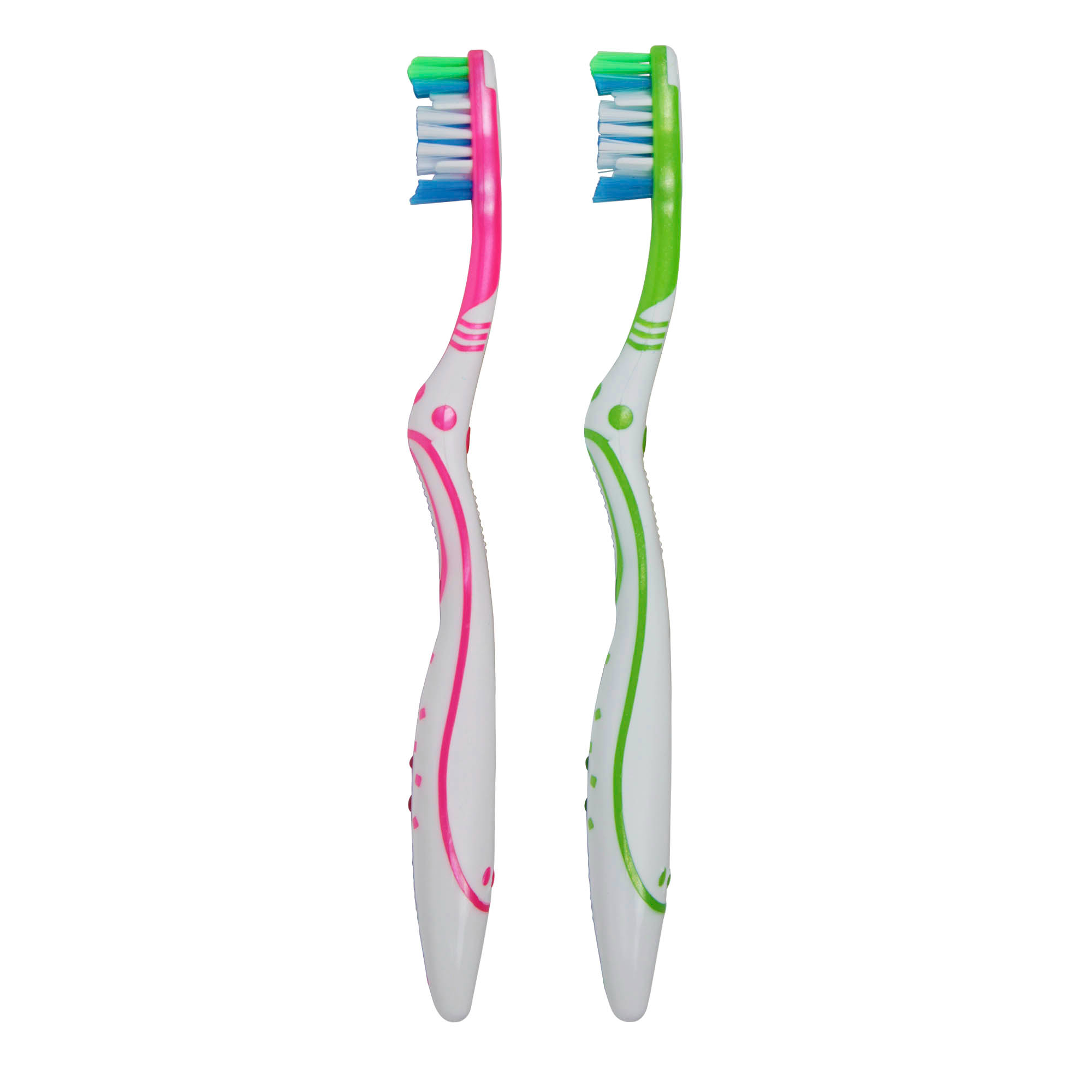
3. Ergonomic Handle & Brush Head Architecture
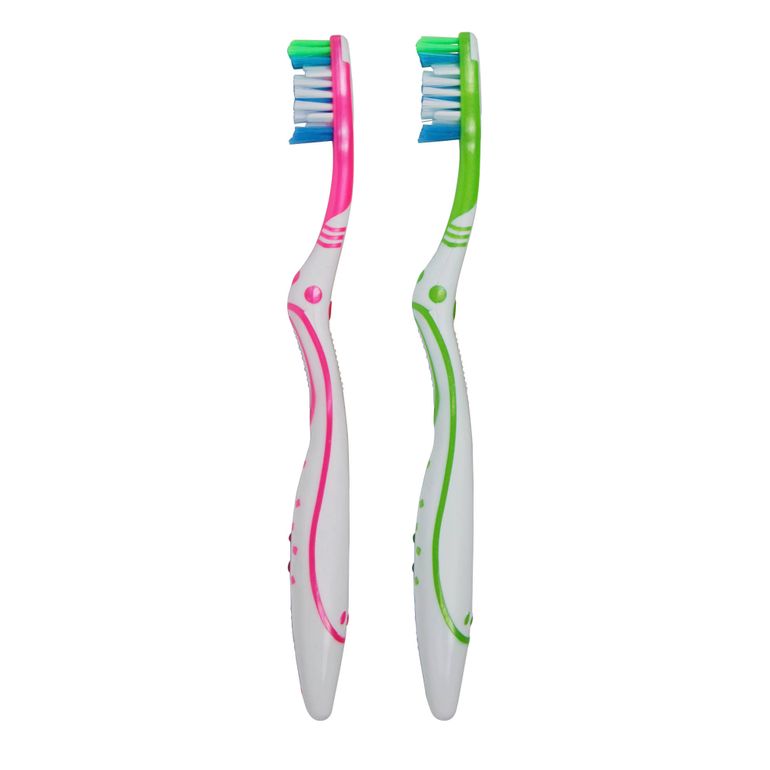
Structural Design: Features a multi-tufted head designed to optimize contact surface area per stroke. The handle includes textured rubber gripping zones to ensure controlled manual torque and prevent slipping, minimizing the risk of accidental soft-tissue injury during brushing.
Usage Instructions & Clinical Precautions
Recommended Brushing Protocol
Frequency: Brush teeth thoroughly twice daily (morning and night) for a minimum of two minutes per session, or as directed by a dental healthcare professional.
Technique (Modified Bass Method): Place the toothbrush bristles at a 45-degree angle toward the gum line. Apply gentle pressure using short, horizontal or circular vibratory movements, moving from the gum line toward the chewing surface of each tooth.
Dentifrice Application: Use with a standard fluoride-containing toothpaste to support enamel remineralization alongside mechanical cleaning.
Safety Precautions & Maintenance
Avoid Excessive Brushing Force: Overly aggressive manual pressure or hard scrubbing can cause cervical enamel wear (abrasion) and gingival recession. Let the bristle structure perform the mechanical work under light, controlled pressure.
Replacement Timeline: Replace the toothbrush every 3 months, or sooner if bristles become visibly frayed, splayed, or worn. Damaged bristles lose cleaning efficiency and can irritate delicate gingival tissues.
Post-Illness Replacement: It is recommended to replace the toothbrush following an upper respiratory or viral infection to prevent bacterial or viral re-contamination.
Hygiene & Storage: After use, rinse the brush head thoroughly under running tap water to remove remaining toothpaste and oral debris. Store upright in an open-air holder to allow the bristles to air-dry completely, inhibiting microbial growth.





 Personal Care