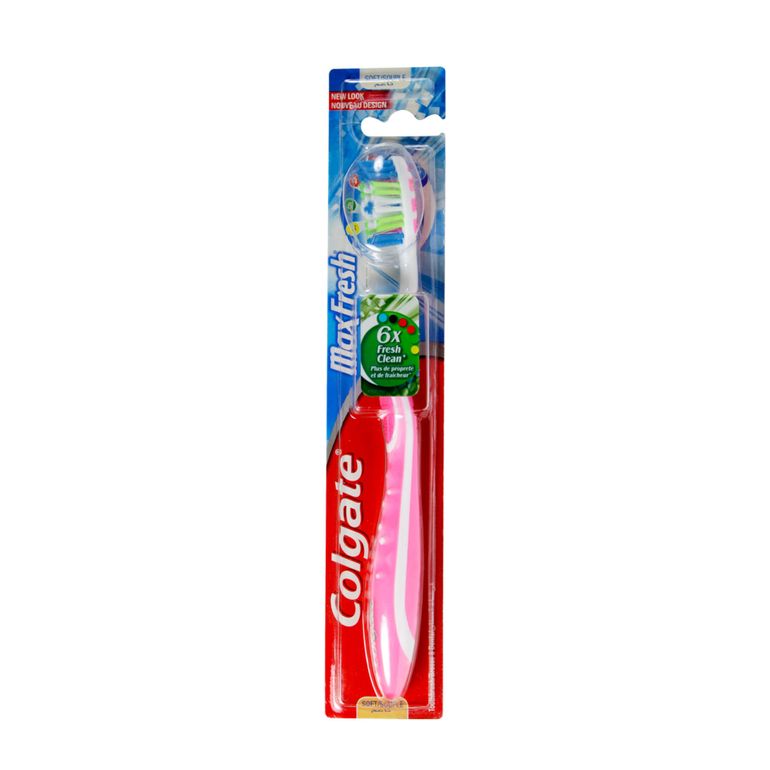
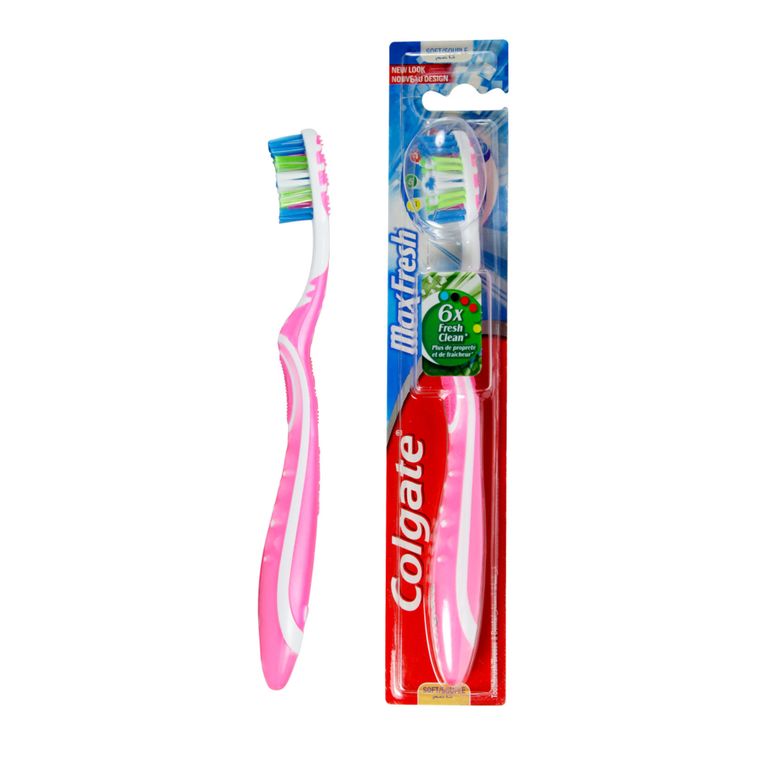
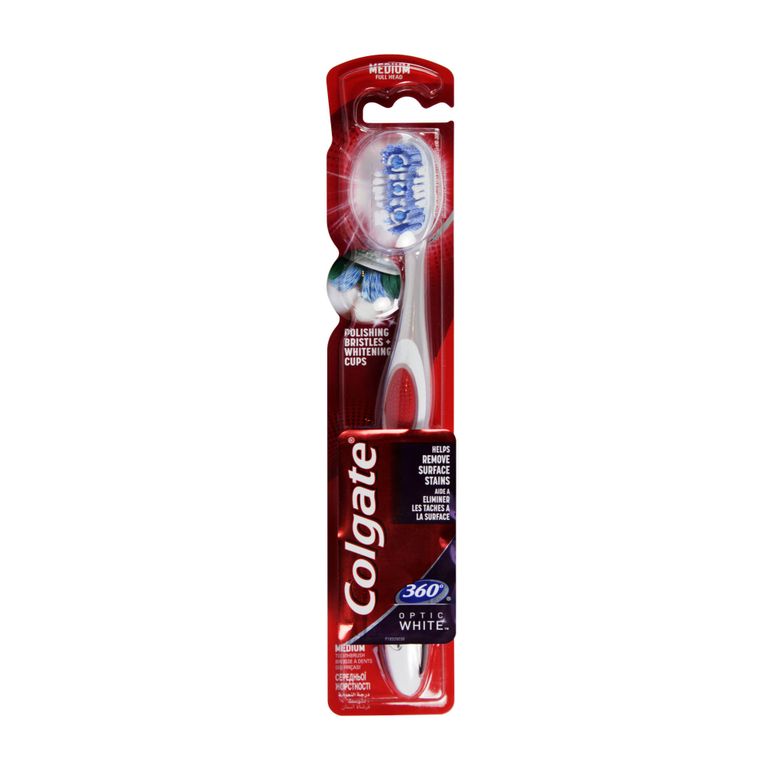
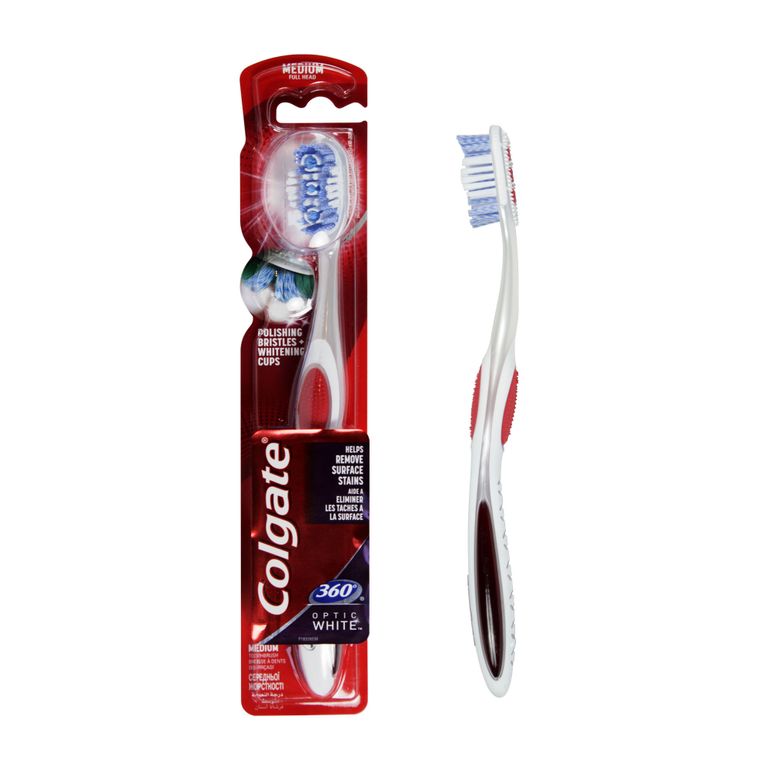
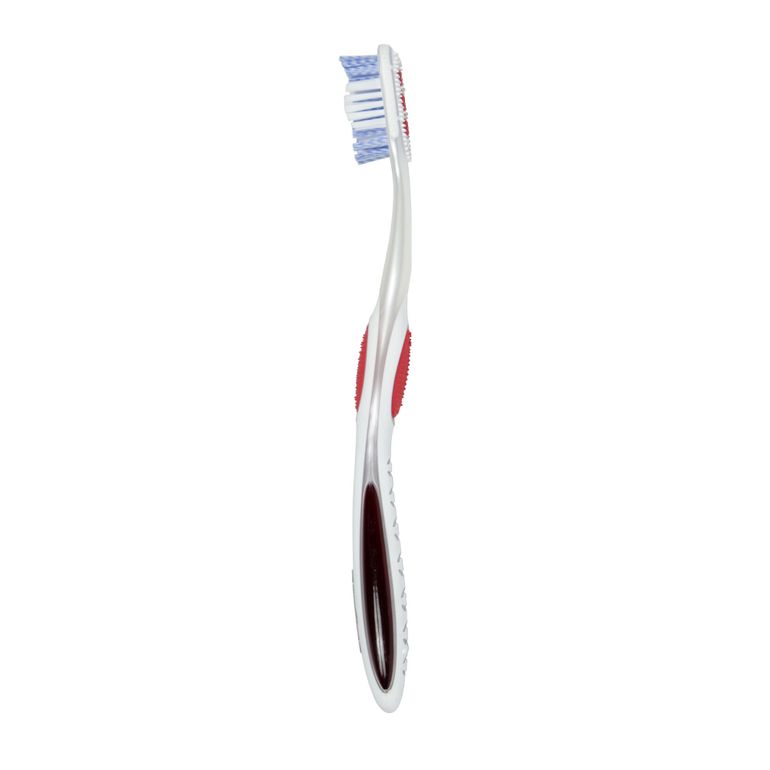
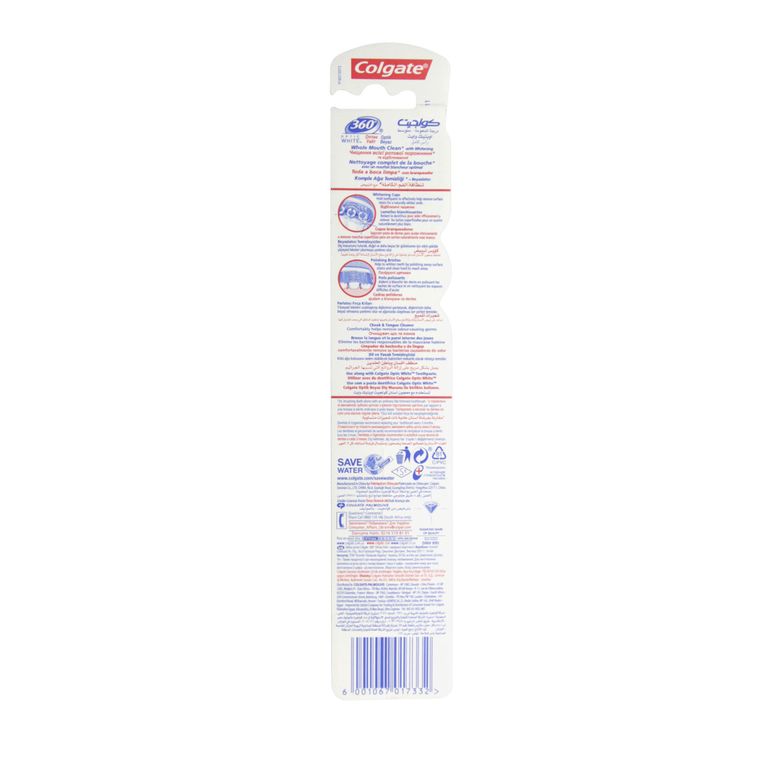
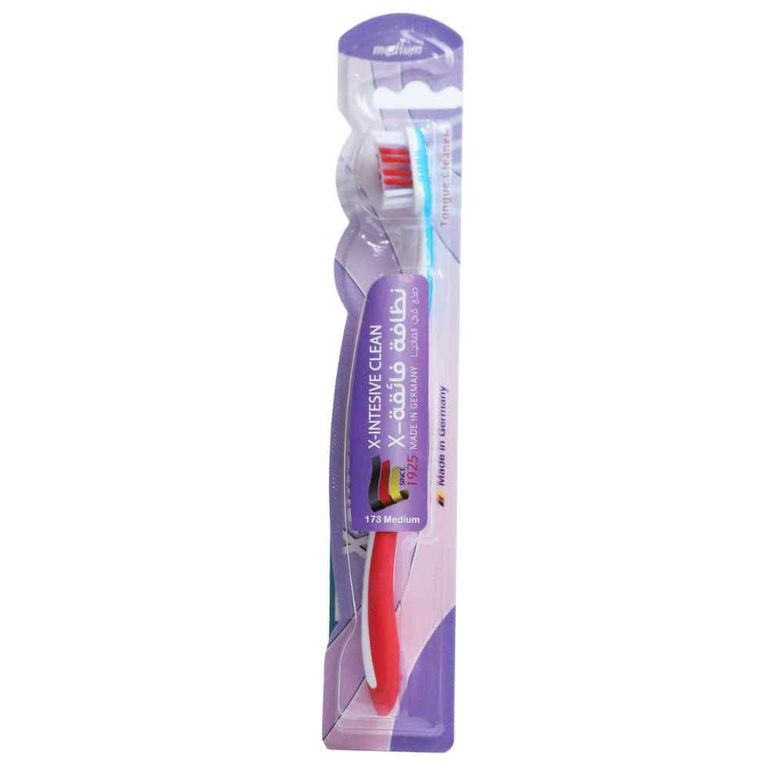
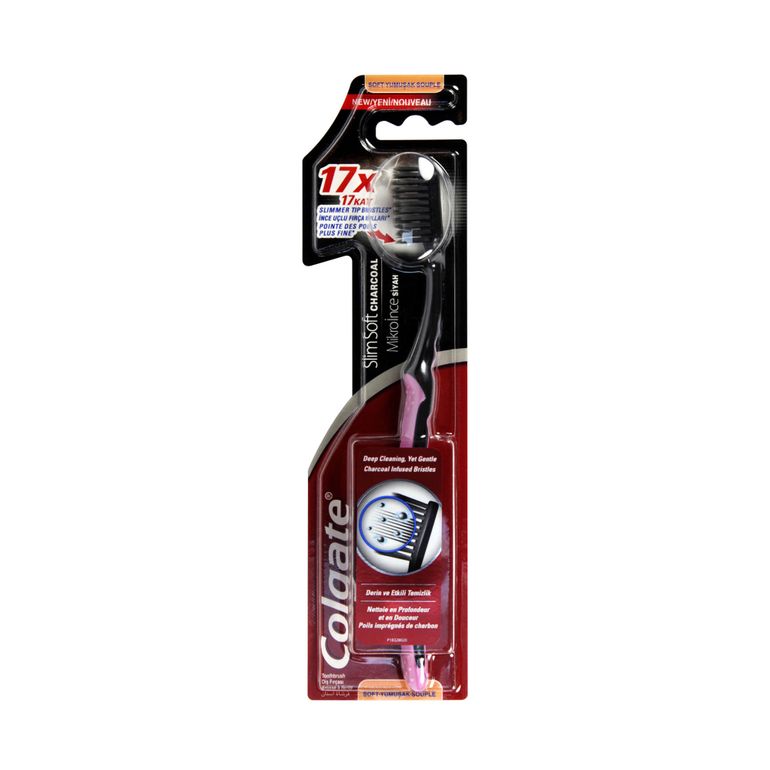
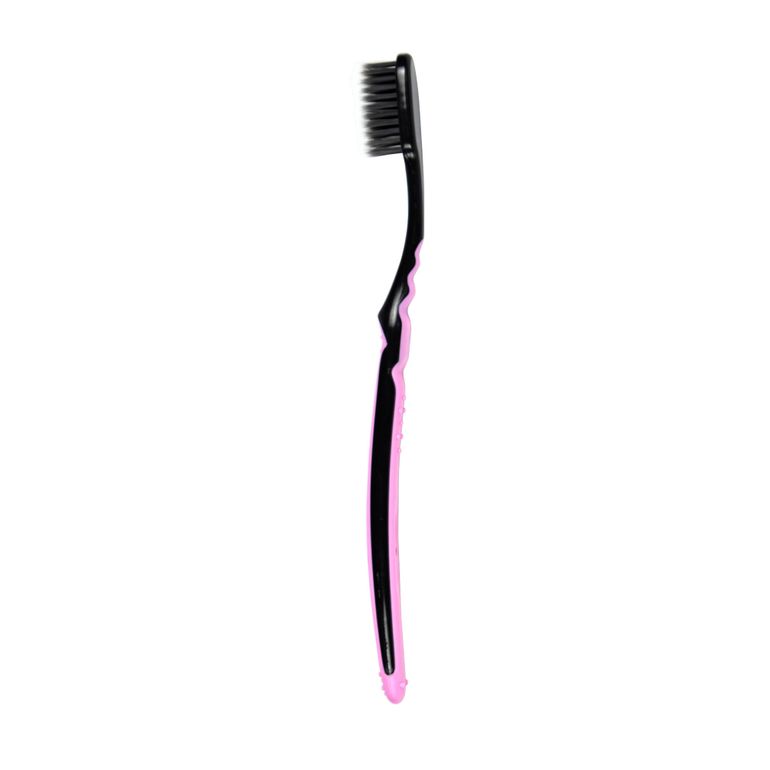
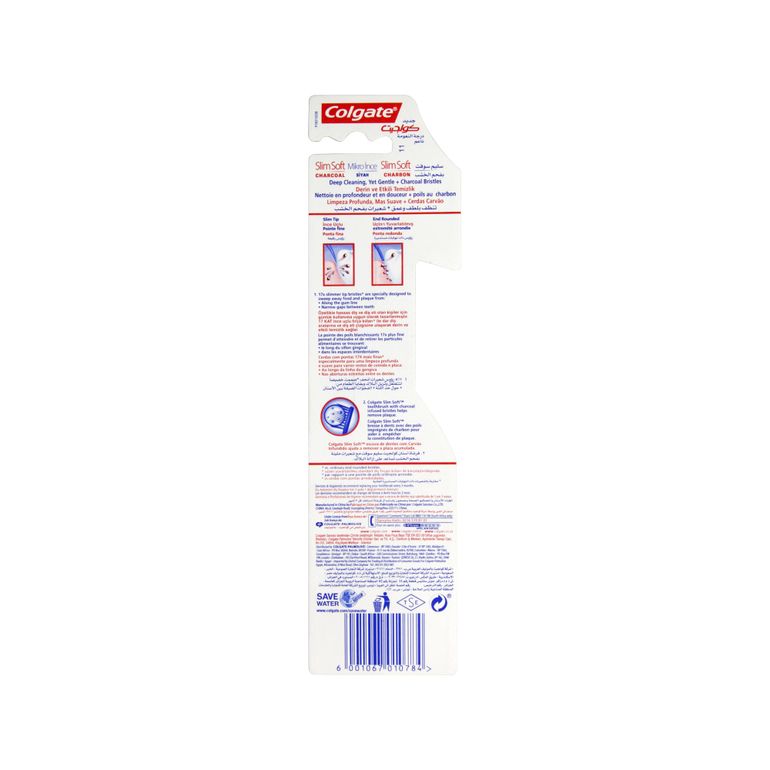
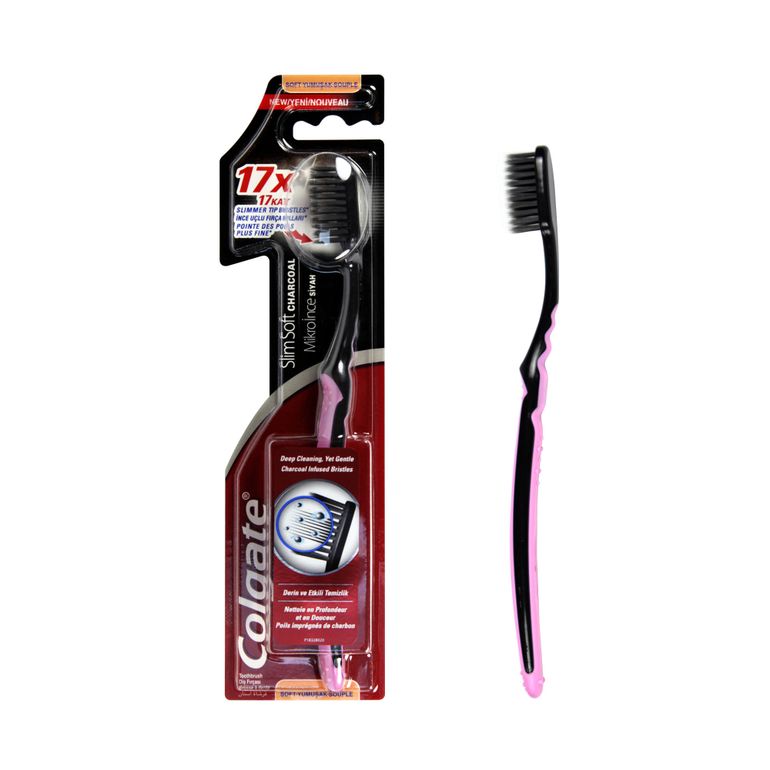
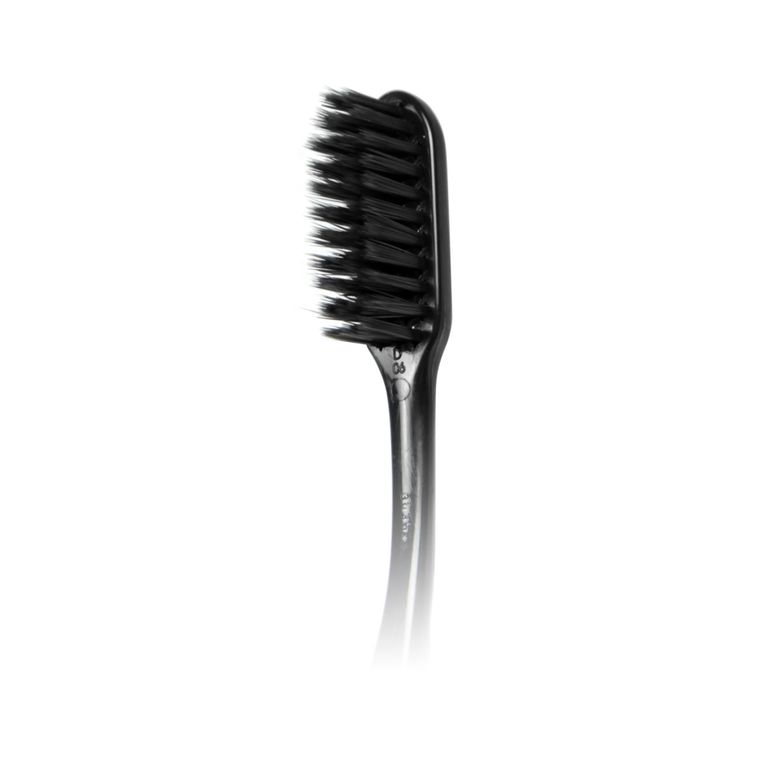
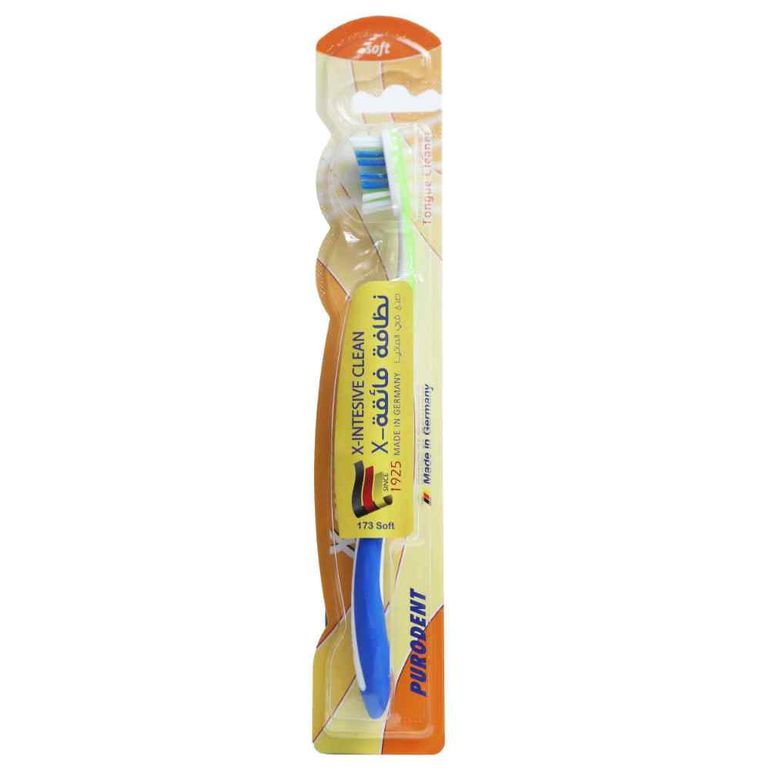
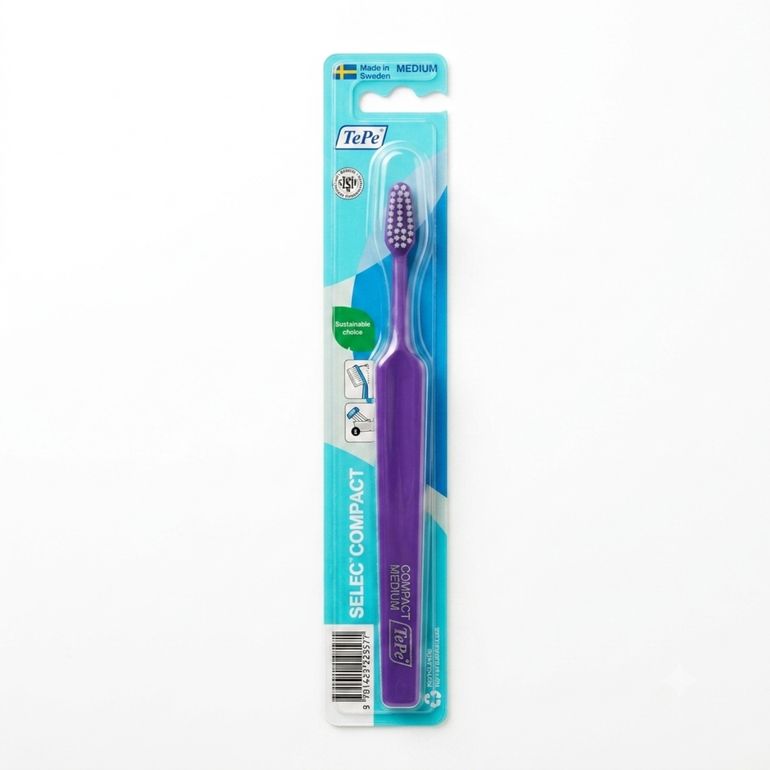
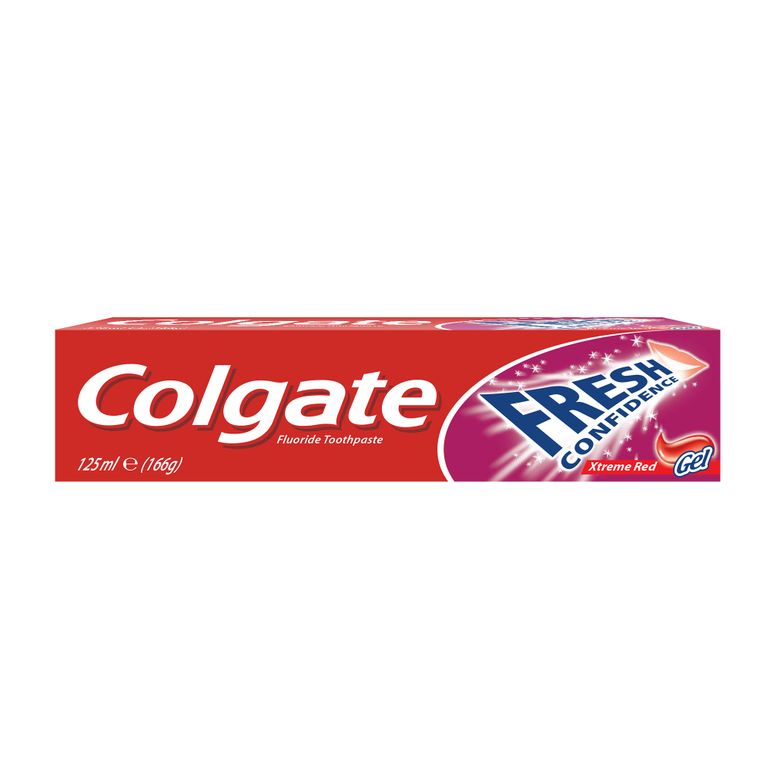
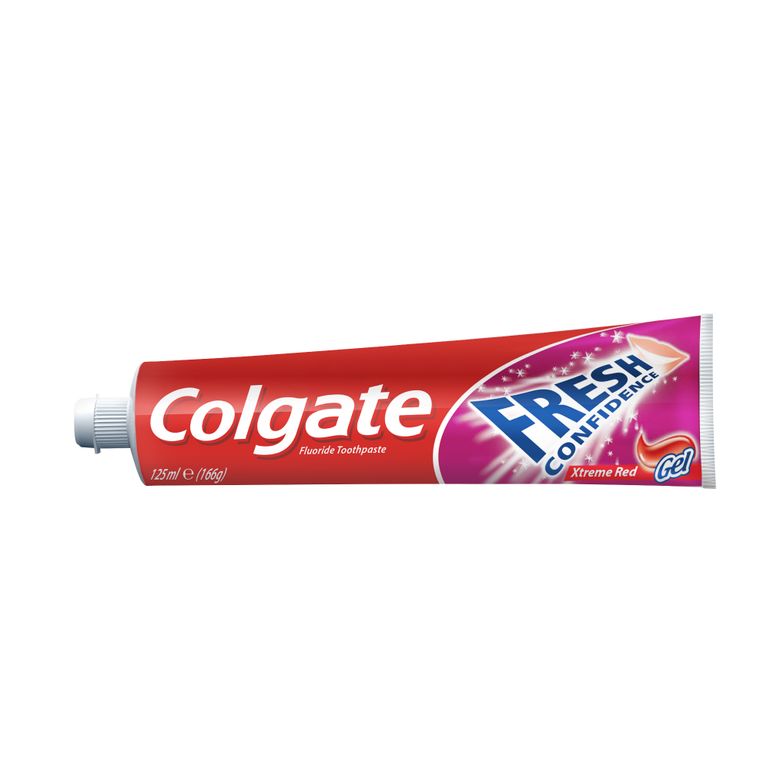
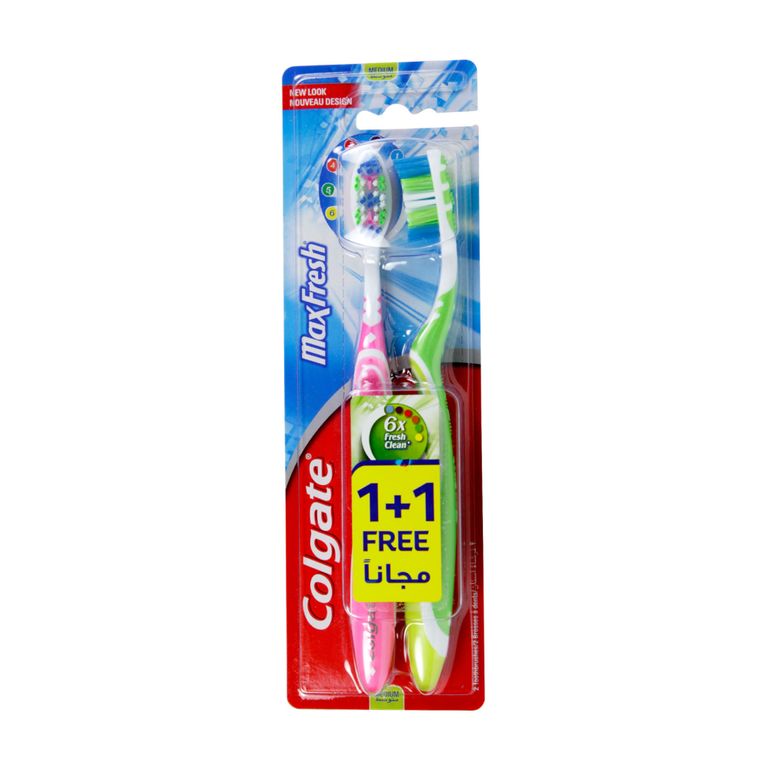
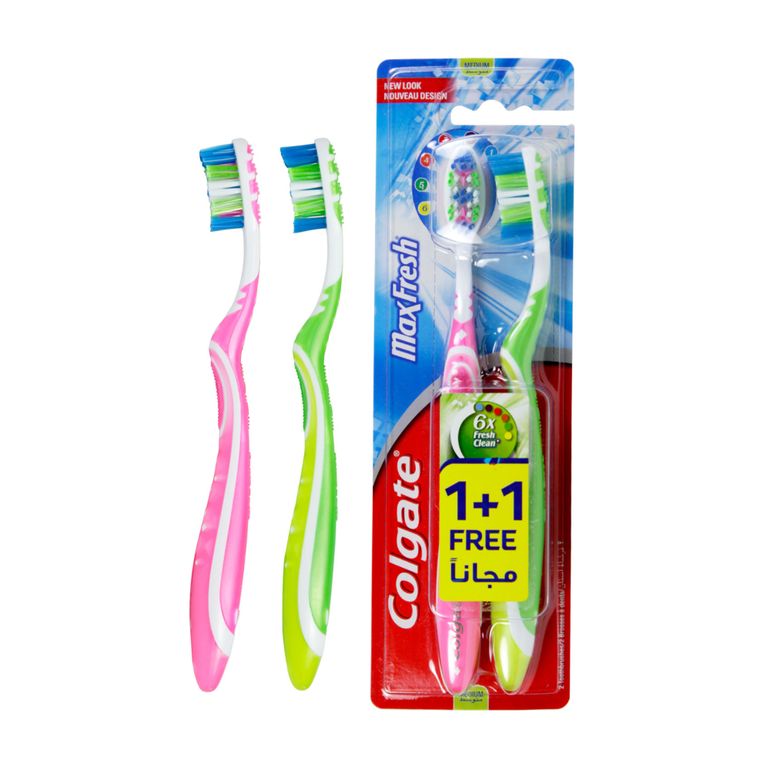
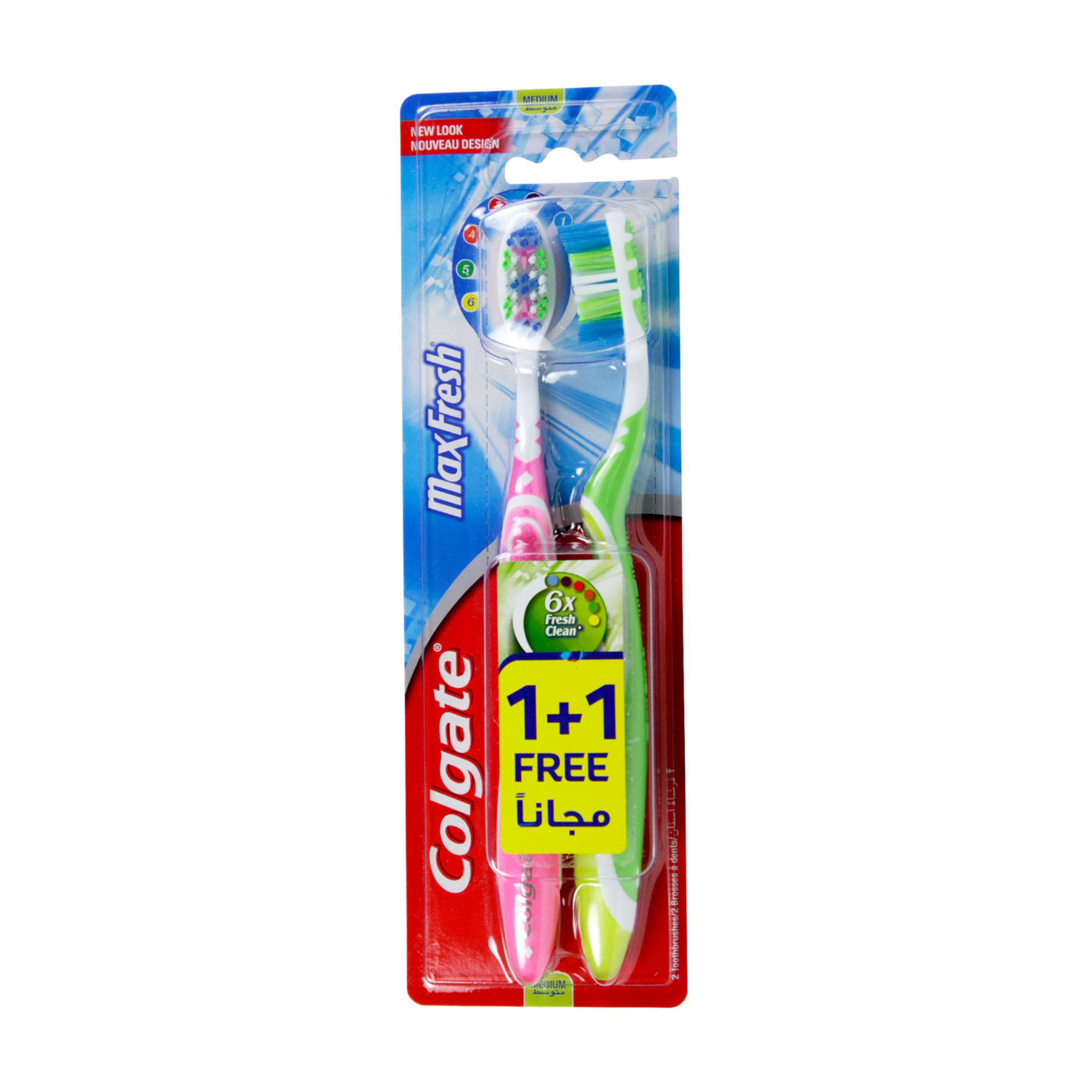
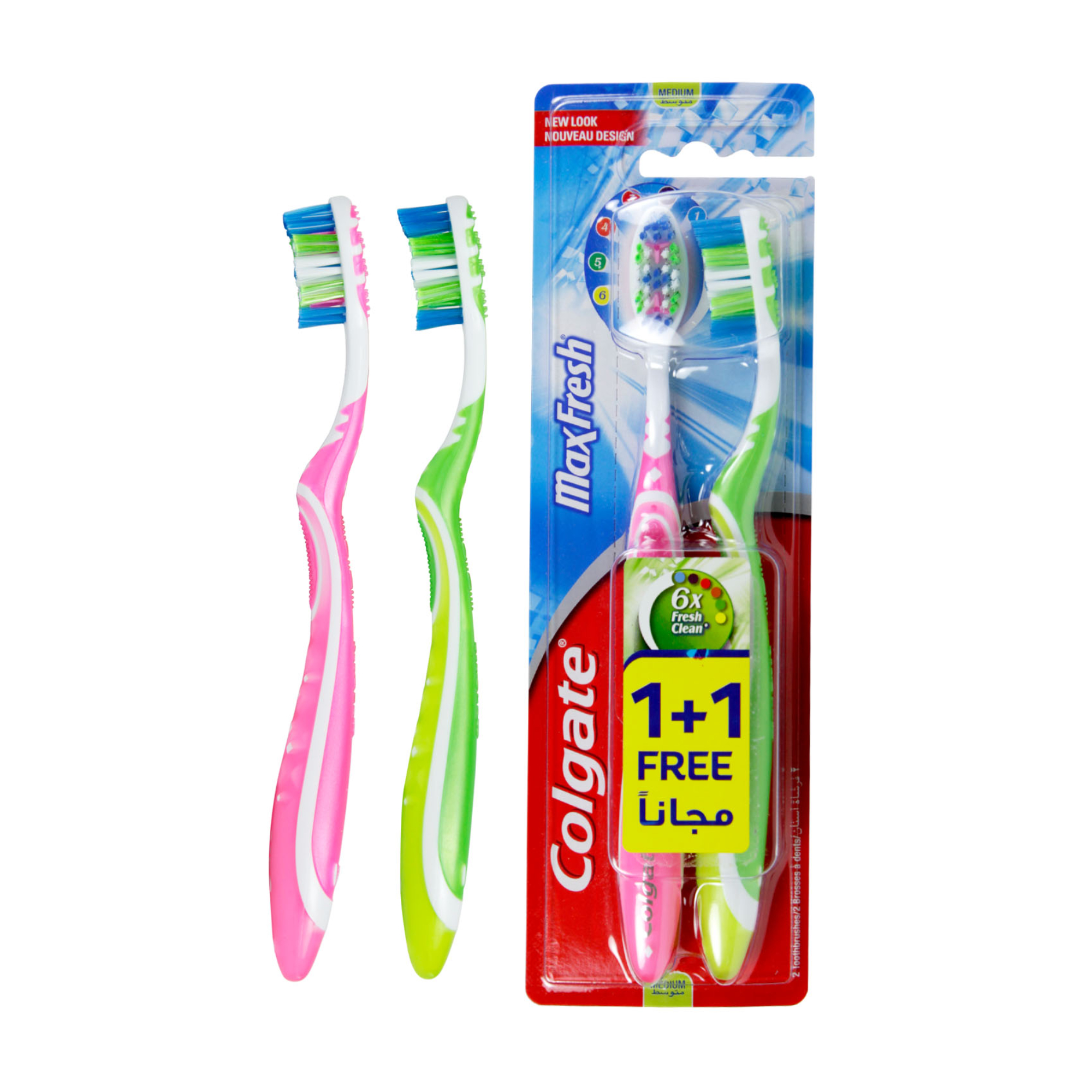
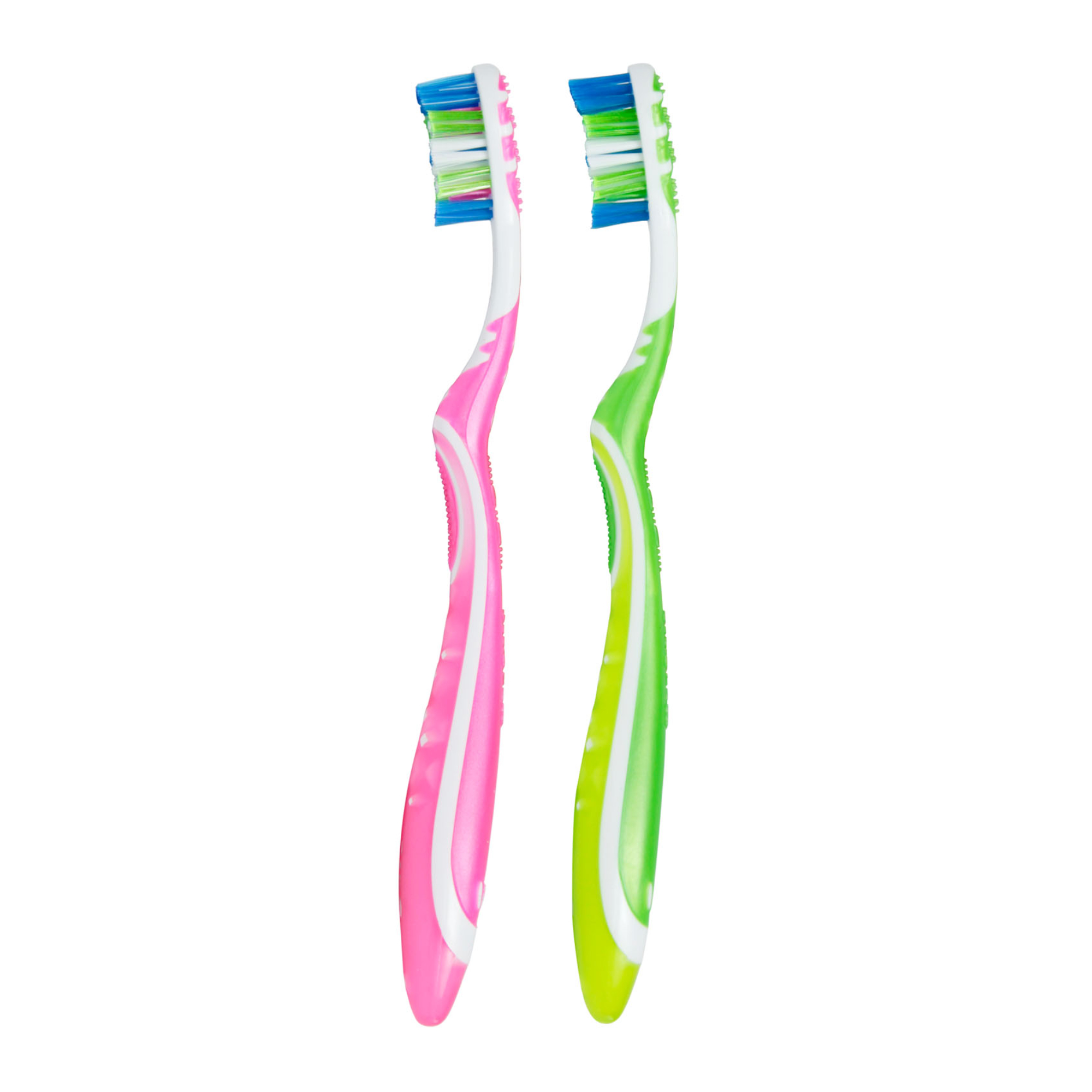
Colgate Max Fresh Medium Toothbrush is a manual oral hygiene device designed to facilitate mechanical plaque removal and comprehensive oral cavity sanitation. Engineered with a multi-level bristle profile and an integrated soft-tissue cleaner, this oral care instrument addresses both dental tissue (enamel and dentin) and mucosal surface hygiene (tongue and inner cheek epithelium).
Accumulation of oral biofilm—commonly referred to as dental plaque—serves as the primary etiology for dental caries, gingivitis, and periodontal disease. Furthermore, volatile sulfur compounds (VSCs) produced by anaerobic bacteria residing on the dorsal surface of the tongue are responsible for approximately 85% to 90% of oral halitosis. The Colgate Max Fresh toothbrush provides a dual-action mechanical mechanism to disrupt biofilm on tooth surfaces while reducing bacterial load on soft mucosal tissues.
Key Medical Benefits & Health Value
Mechanical Biofilm Disruption: Multi-angle synthetic bristles penetrate interdental spaces and gingival margins to physically detach sticky bacterial plaque.
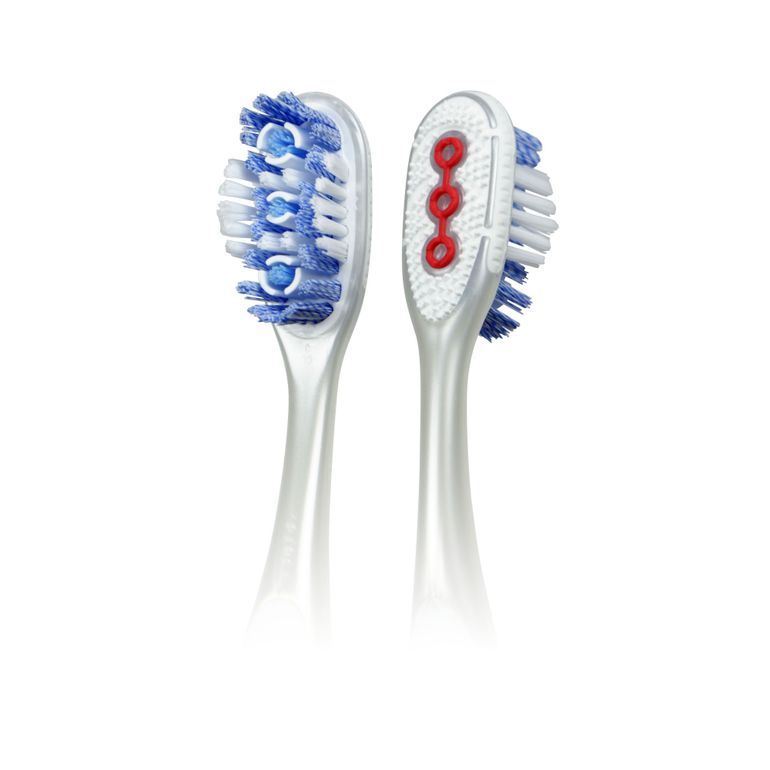
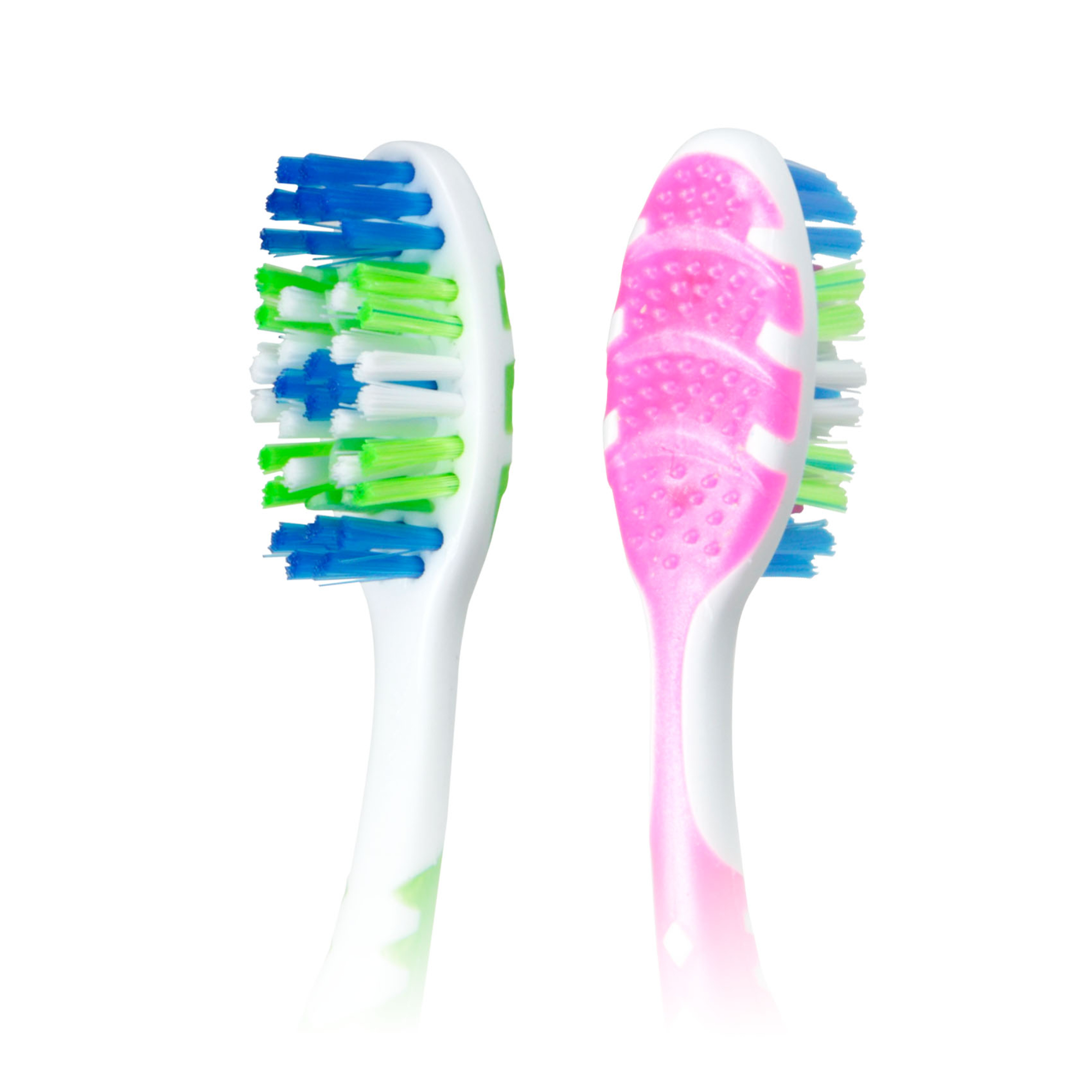
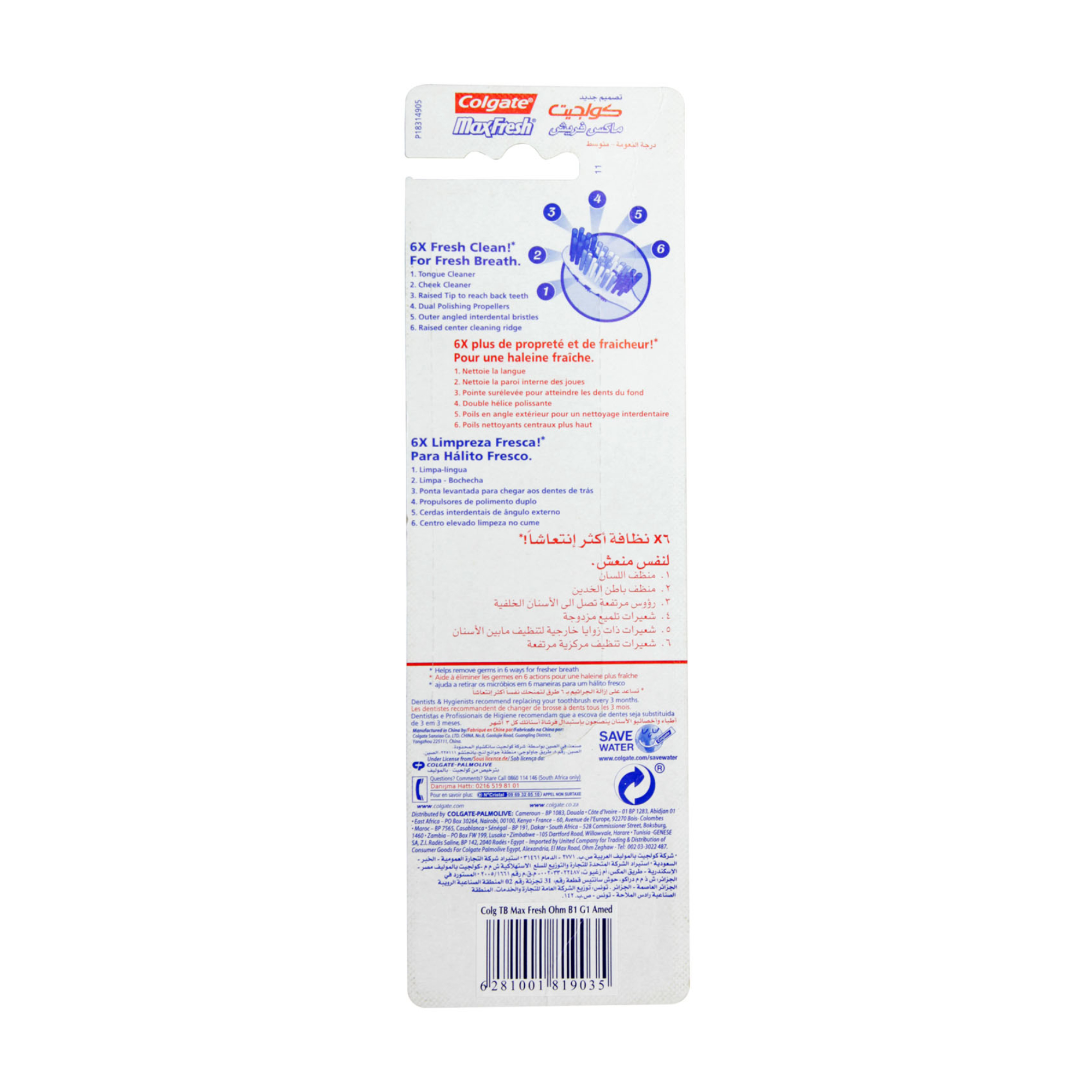
Reduction of Oral Halitosis: The soft textured cleaner integrated into the reverse side of the brush head physically removes bacterial debris and cell sloughing from the tongue and buccal mucosa.
Support for Periodontal Health: Consistent removal of supragingival plaque helps prevent localized inflammation of the marginal gingiva, reducing the incidence of gingival bleeding and early-stage periodontal degradation.
Enamel Protection: Formulated with rounded medium-gauge bristles to ensure effective plaque removal without inducing abrasive cervical lesions (abrasion) or mucosal recession when used with correct technique.
Design Components & Mechanism of Action
The structural design of the Colgate Max Fresh Medium Toothbrush incorporates specific ergonomic and mechanical features tailored for complete oral decontamination.
1. Multi-Level Bristle Configuration
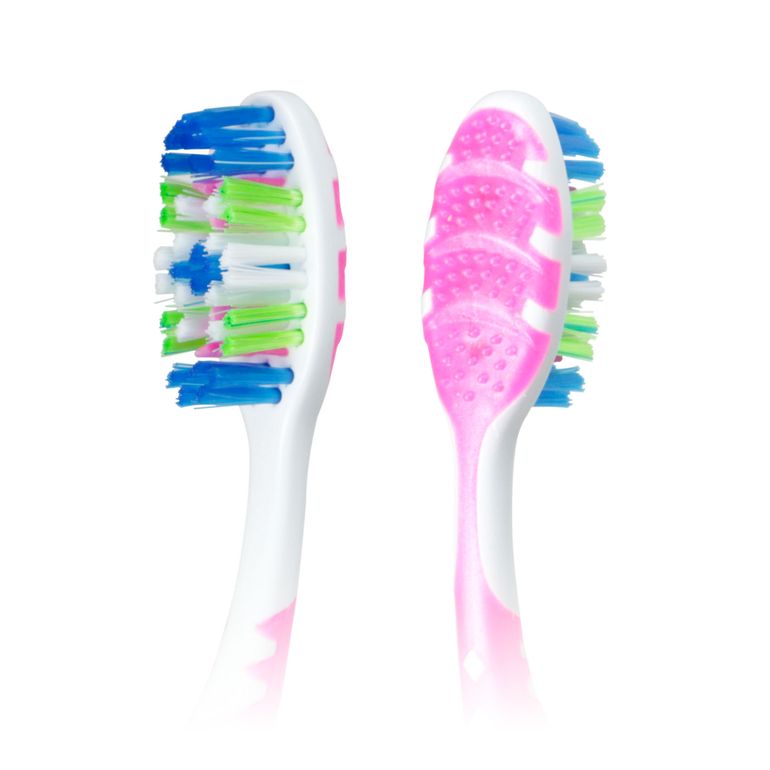
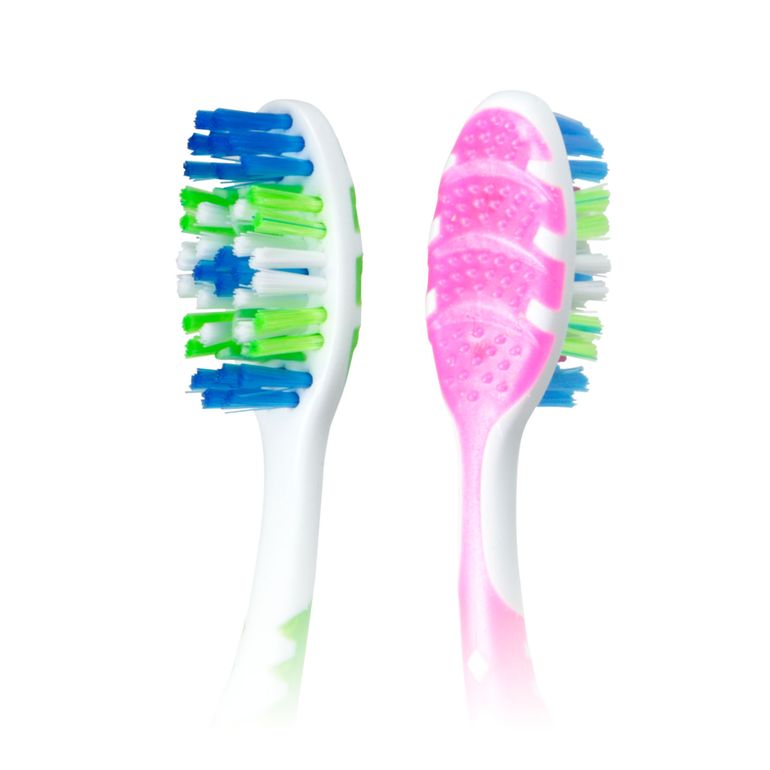
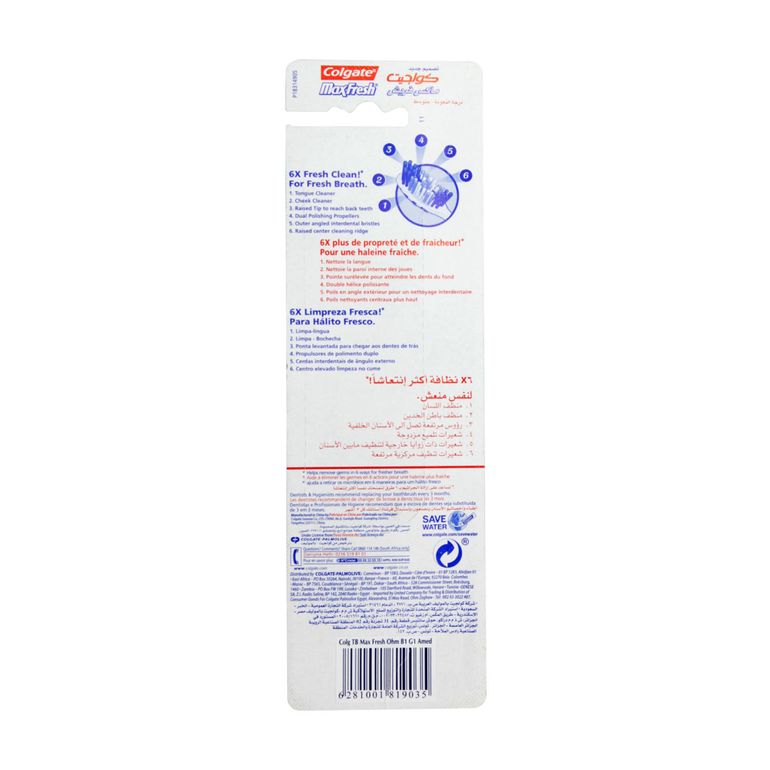
Interdental Reach: The outer and inner bristle tufts are trimmed at varying heights. This multi-level trim allows longer filaments to reach deeper into proximal contact areas between neighboring teeth, while shorter filaments scrub the smooth occlusal and facial surfaces.
Filament Stiffness (Medium Grade): The synthetic nylon filaments are calibrated to a medium diameter, striking a balance between structural stiffness required for plaque removal and flexibility to prevent soft tissue laceration.
2. Integrated Soft-Tissue Cleaner
Buccal and Tongue Cleansing Ridges: Located on the back of the brush head, a series of molded elastomer ridges facilitate non-abrasive scraping of the tongue's papillae and inner cheek lining, significantly decreasing the total oral microbial load compared to tooth brushing alone.
3. Ergonomic Handle Design
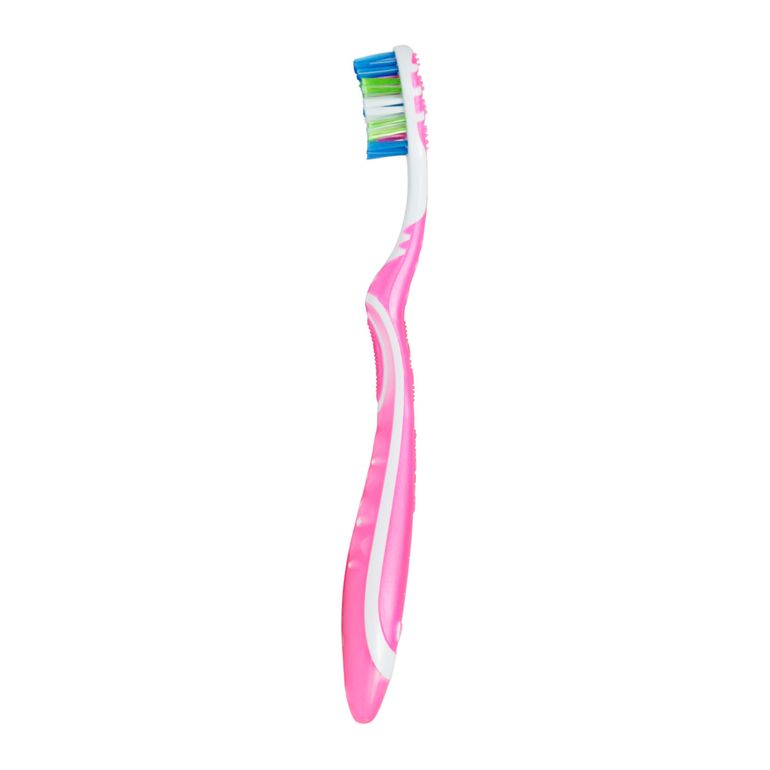
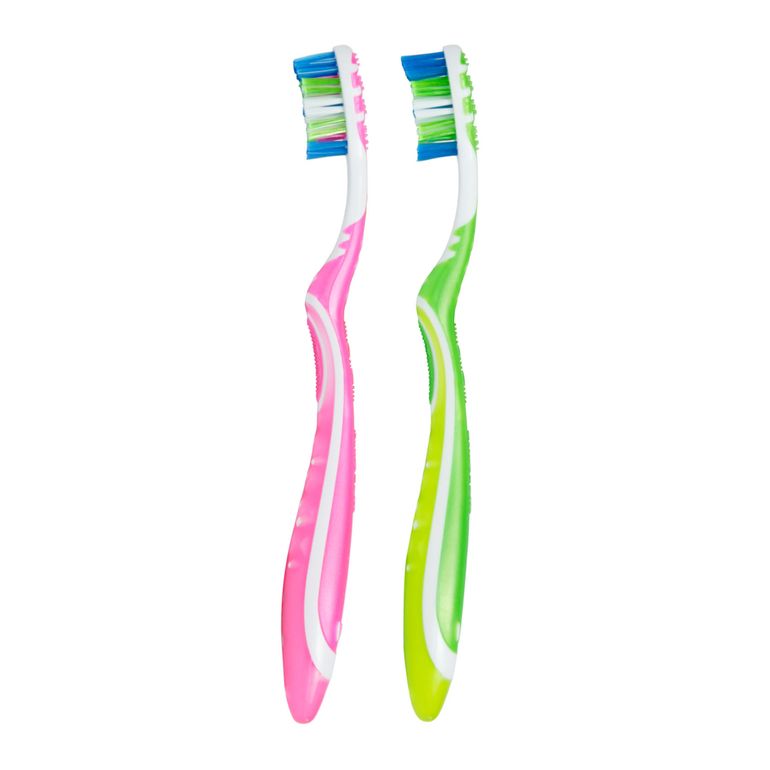
Control and Pressure Management: The non-slip rubberized grip provides tactile stability during brushing, reducing the risk of accidental slippage and focal tissue trauma.
Usage Instructions & Oral Hygiene Protocol
To achieve optimal therapeutic efficacy and maintain oral health, adhere to standard dental administration guidelines:
Brushing Frequency: Brush thoroughly at least twice daily—ideally following meals and prior to sleep—or as directed by a dental professional.
Recommended Technique: Position the brush head at a 45-degree angle toward the gum line (Modified Bass Technique). Move the bristles in gentle, short circular strokes across all outer, inner, and chewing surfaces of the teeth.
Soft-Tissue Sanitation: Extend the brush to the dorsal surface of the tongue. Gently sweep the tongue cleaner from the posterior (back) to anterior (front) direction 3 to 4 times, rinsing the brush head between sweeps.
Duration: Maintain brushing for a minimum of two minutes per session to ensure equitable contact across all dental quadrants.
Adjunctive Care: Use in combination with a fluoridated toothpaste and interdental dental floss for complete plaque control.
Safety Precautions & Clinical Guidelines
Replacement Interval: Dental professionals recommend replacing your toothbrush every 3 months, or sooner if the bristles become visibly frayed, splayed, or worn. Damaged bristles lose mechanical efficiency and can harbor microbial contamination.
Post-Illness Replacement: Replace the toothbrush following recovery from upper respiratory infections or viral illnesses to prevent re-infection.
Excessive Brushing Force: Avoid applying excessive downward force during brushing. Overly aggressive manual brushing with medium bristles can lead to gingival recession and irreversible loss of tooth structure (cervical enamel abrasion).
Pediatric Supervision: Children under 6 years of age should be supervised during brushing to ensure proper technique and prevent improper handling.
Storage Conditions: Thoroughly rinse the toothbrush head with tap water after each use to clear remaining toothpaste and debris. Store upright in an open container to air dry completely. Do not store in closed, humid containers, as moisture promotes bacterial colonization.





 Personal Care