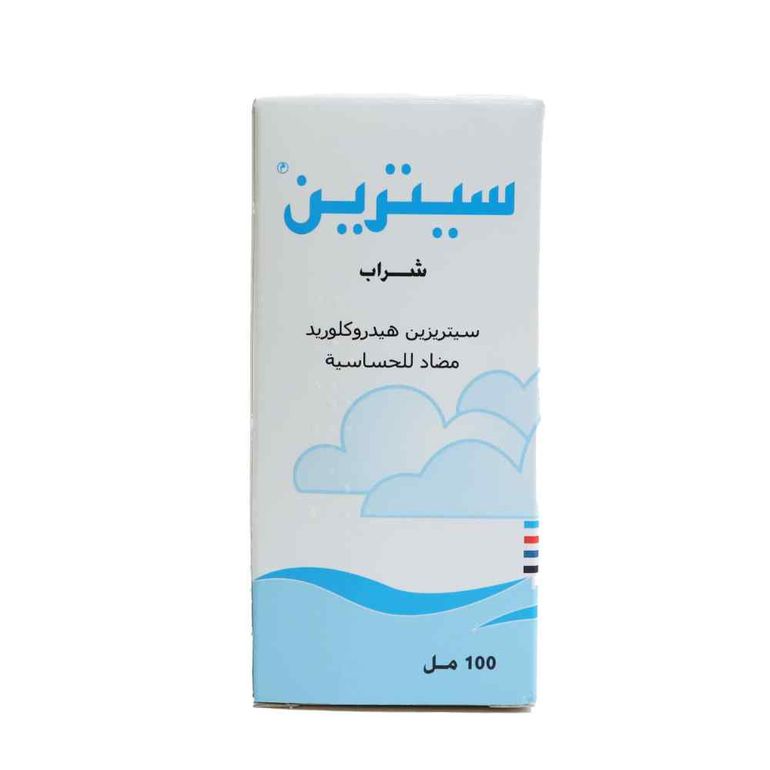
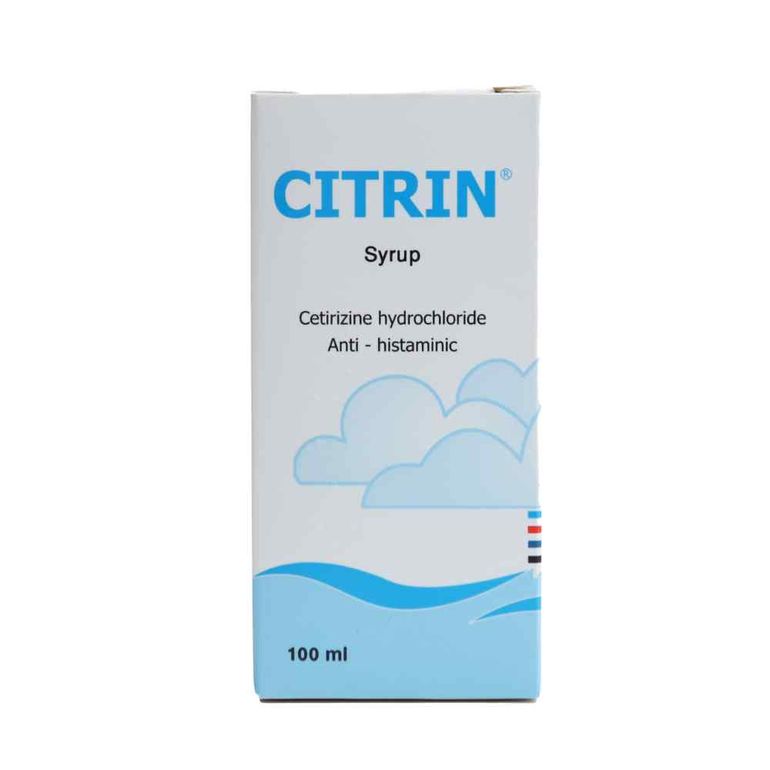
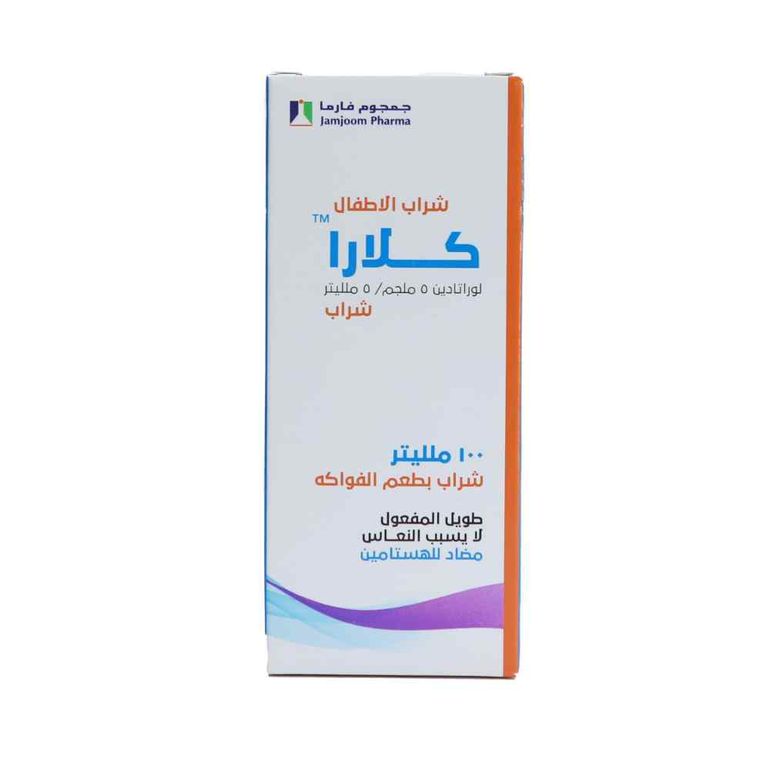
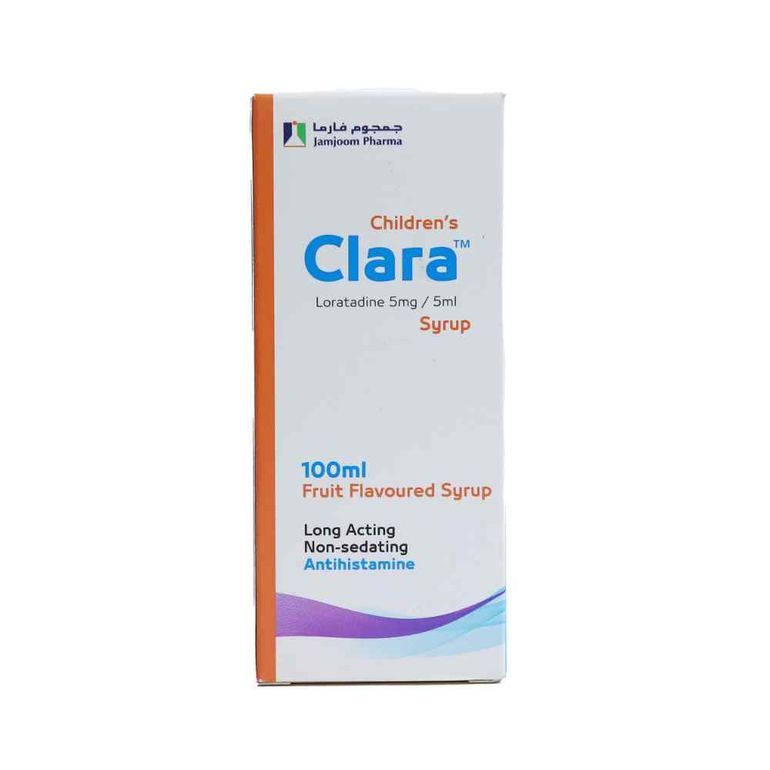
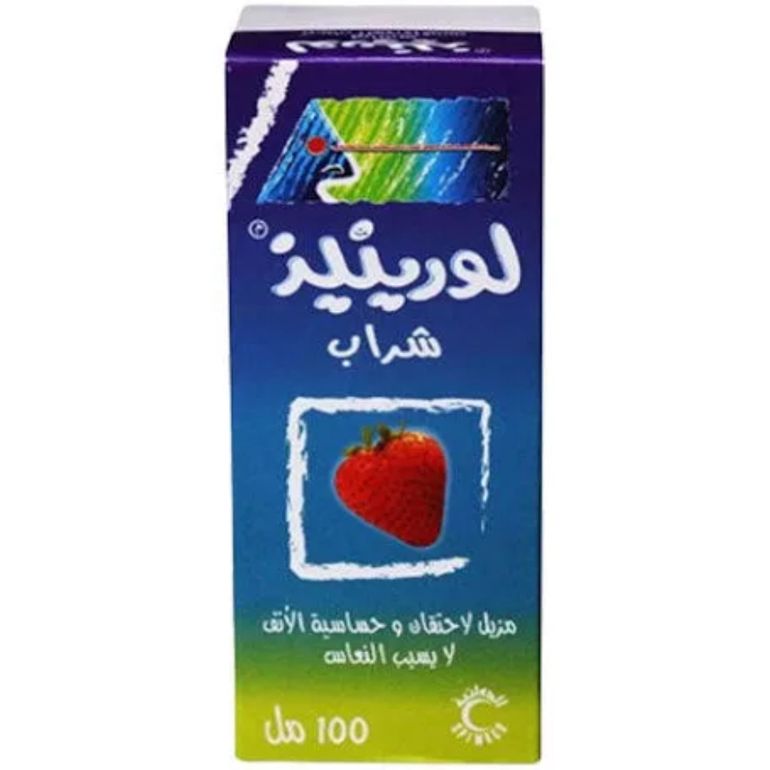
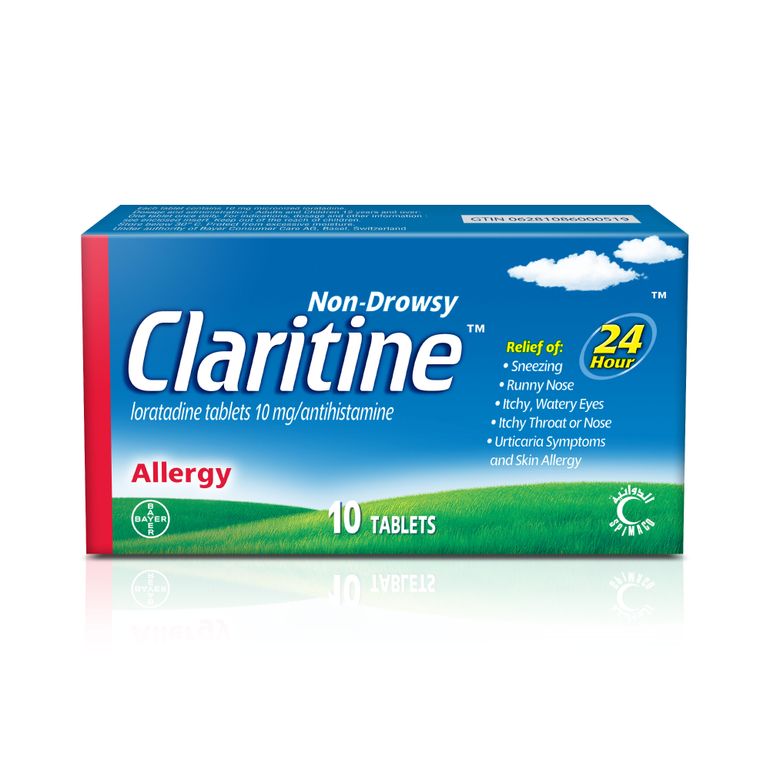
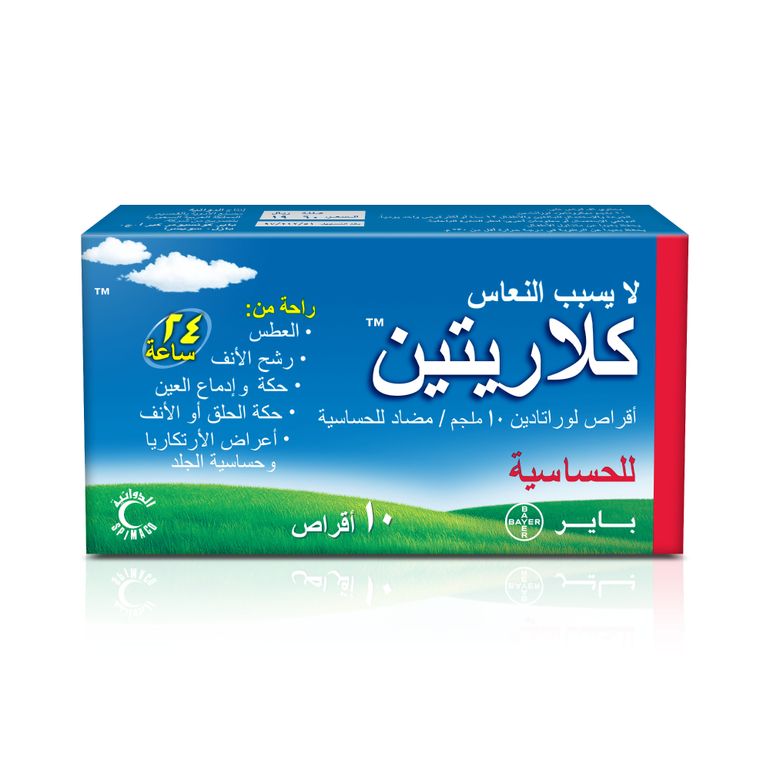
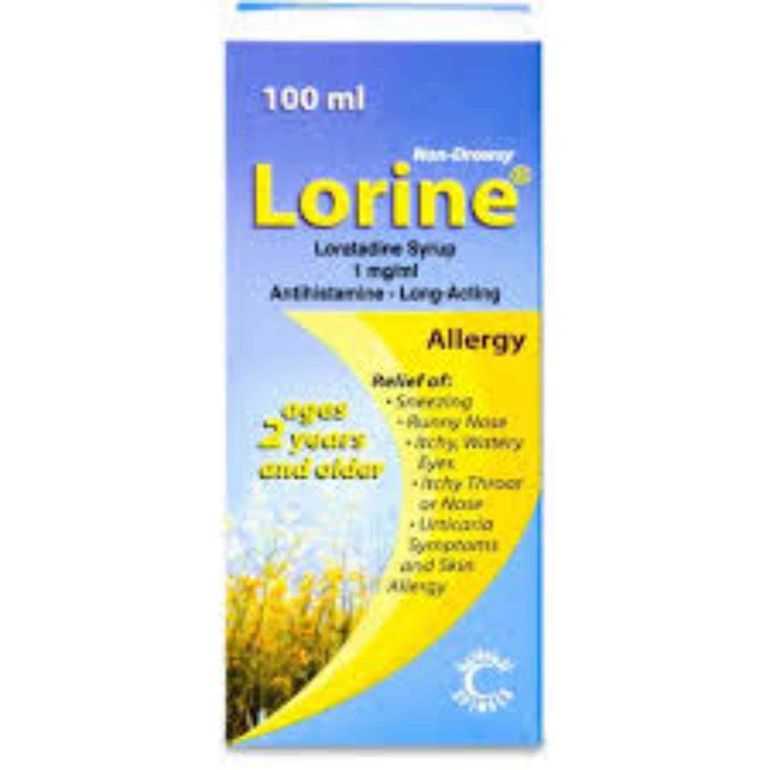
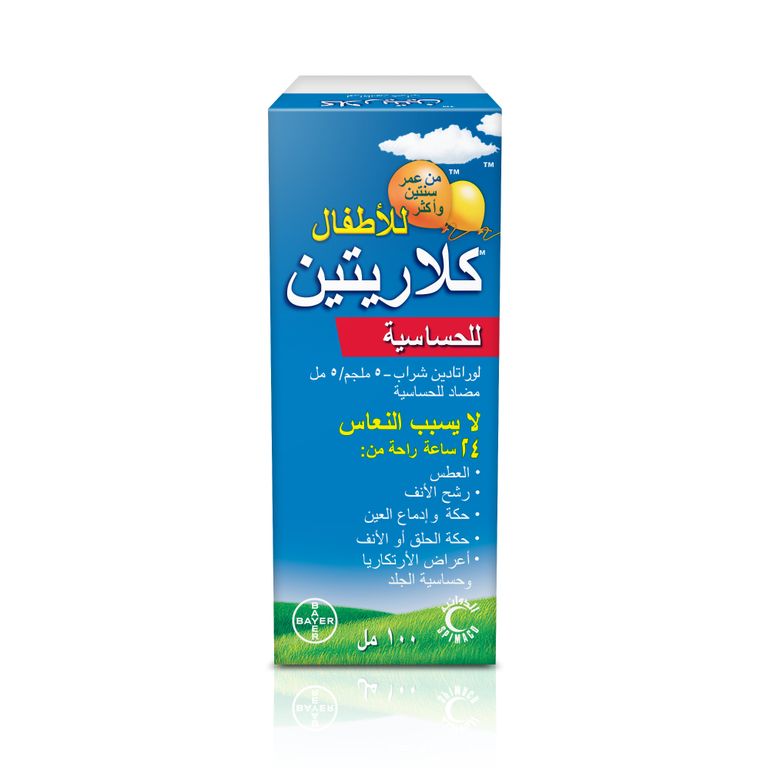
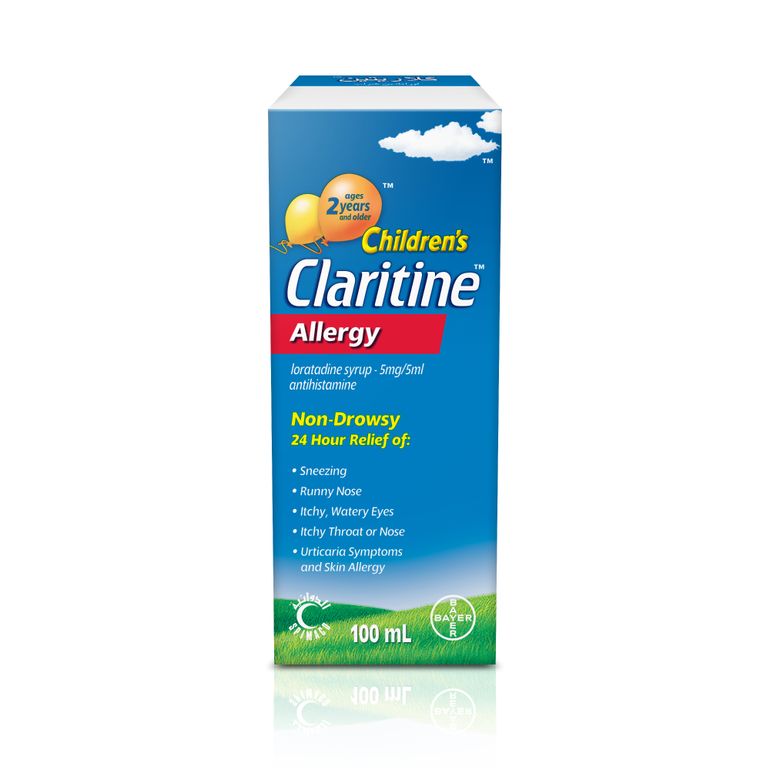
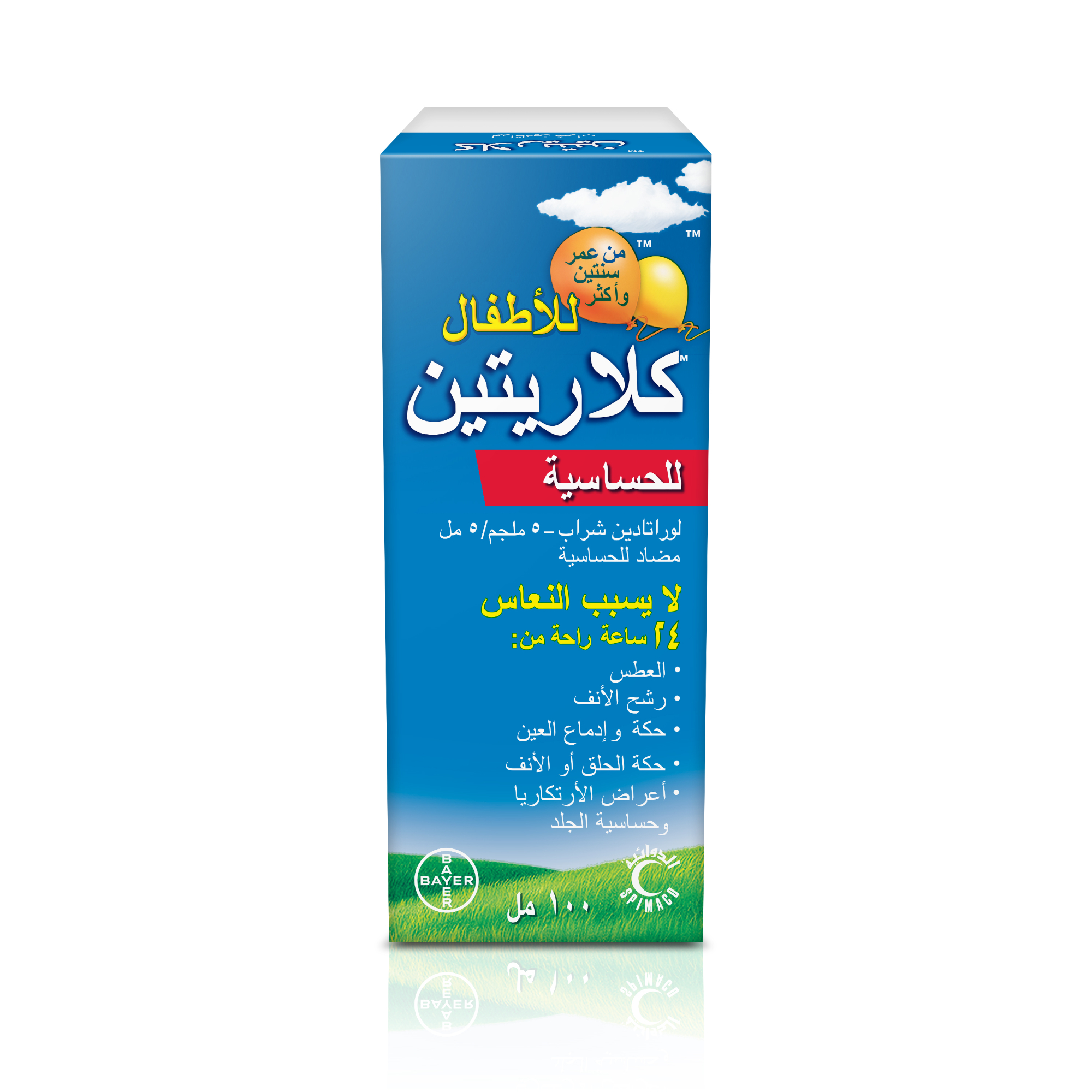
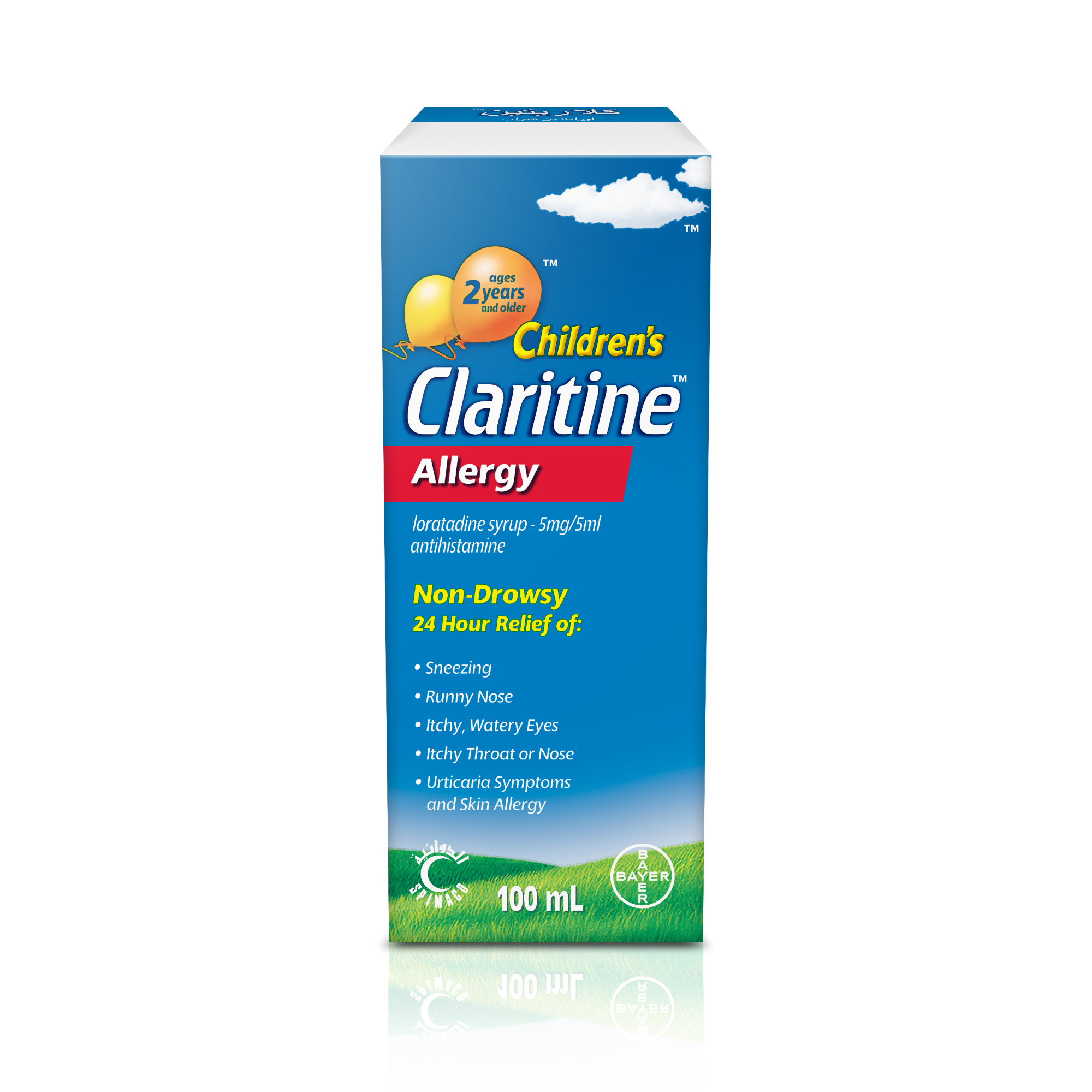
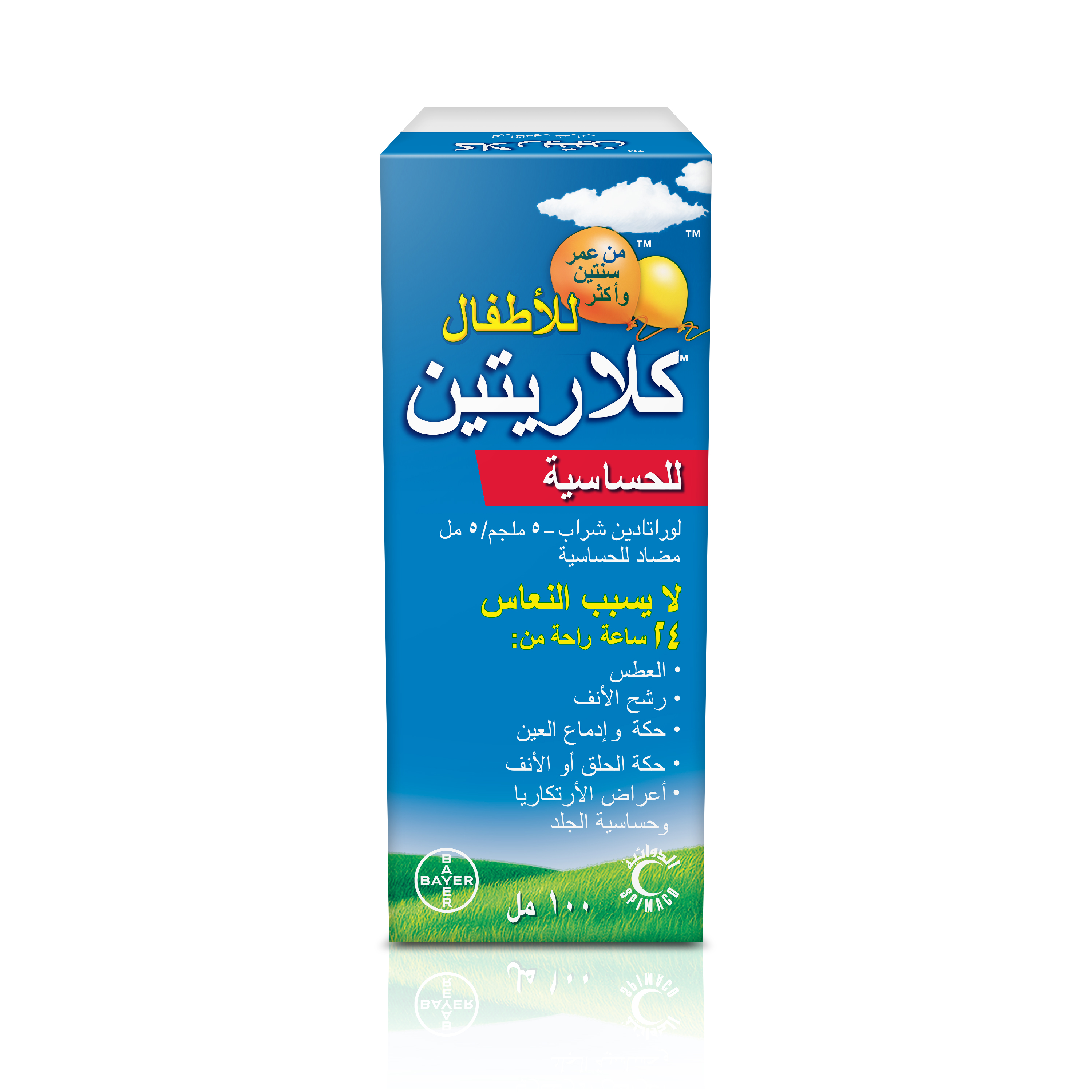
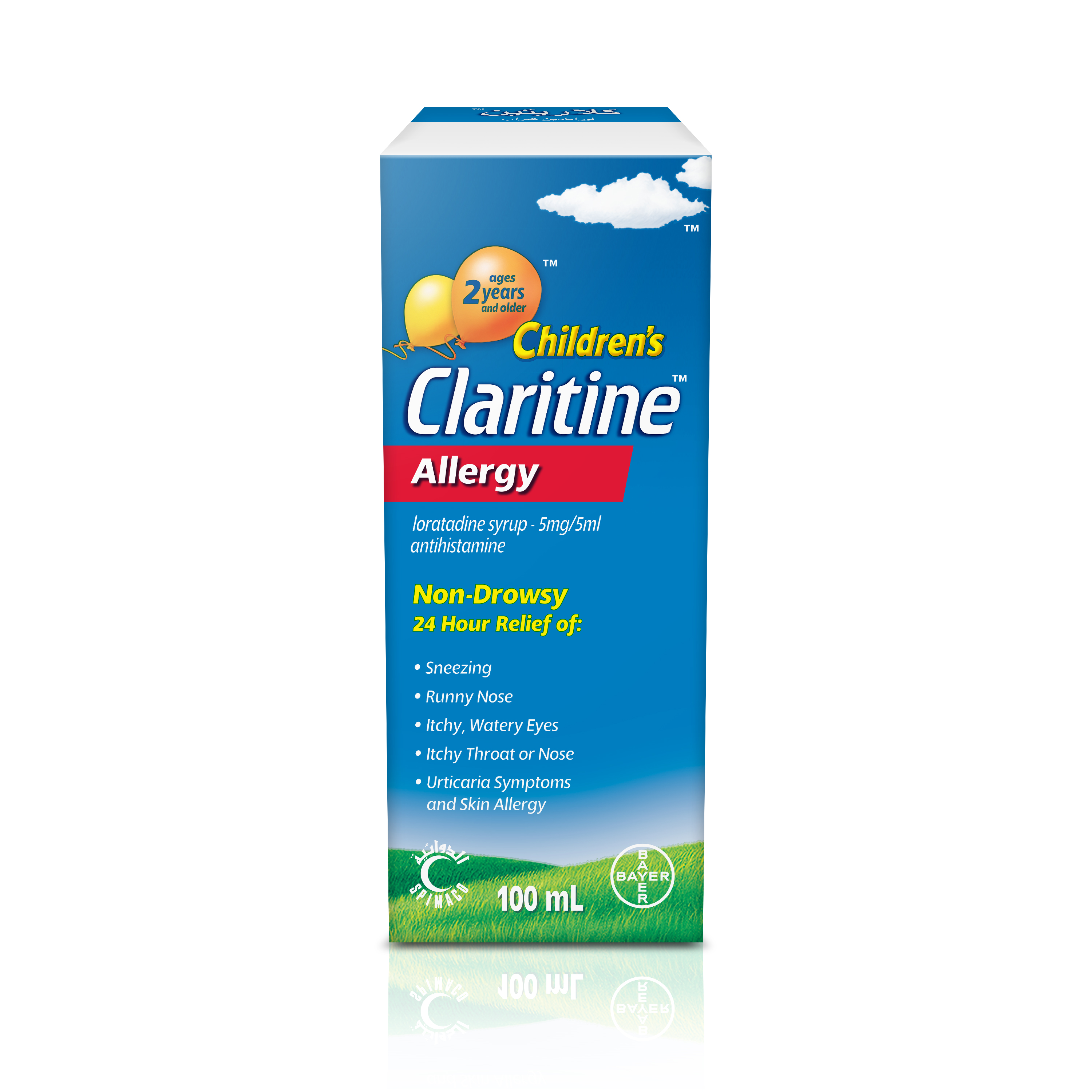
Claritine Syrup is an oral antihistamine formulation containing Loratadine (1 mg/ml) indicated for the symptomatic relief of allergic conditions. Classified as a second-generation, non-sedating histamine H1-receptor antagonist, it is clinically designed to manage hypersensitivity reactions without causing central nervous system depression or drowsiness at standard therapeutic doses. This formulation is frequently utilized for both pediatric and adult patients requiring consistent management of seasonal and perennial allergic rhinitis, as well as chronic idiopathic urticaria.
Key Medical Benefits and Indications
Claritine Syrup provides reliable 24-hour management of immunoglobulin E (IgE)-mediated allergic responses. Clinical indications include:
Allergic Rhinitis (Seasonal and Perennial): Mitigates symptoms triggered by environmental allergens such as pollen, dust mites, mold spores, and animal dander.
Ocular and Nasal Symptom Control: Effectively reduces nasal congestion, rhinorrhea (runny nose), sneezing, and pruritus (itching) of the nose or eyes.
Chronic Idiopathic Urticaria: Relieves dermatological manifestations, including chronic hives, skin itching, and localized swelling of unknown etiology.
Active Ingredients and Mechanism of Action
Active Ingredient: Loratadine (1 mg per 1 ml of oral solution).
Mechanism of Action:
Loratadine is a selective, peripheral peripheral histamine H1-receptor antagonist. Upon ingestion, it competitively binds to peripheral histamine receptors without crossing the blood-brain barrier in significant amounts. By blocking the action of endogenous histamine—which is released during an allergic cascade—Claritine prevents the vasodilation, increased vascular permeability, and sensory nerve stimulation responsible for typical allergy symptoms.
Formulation Safety Profile: Because it selectively targets peripheral receptors, it exhibits minimal affinity for central nervous system receptors, preserving psychomotor performance and ensuring a high safety profile.
Dosage and Administration Guidelines
Appropriate dosing of Claritine Syrup depends on patient age and body weight, and administration should follow clinical guidelines or a physician's prescription.
Pediatric Patients (Aged 2 to 5 years): The standard dosage is 5 ml (5 mg) administered orally once daily.
Pediatric Patients (Aged 6 years and older) and Adults: The standard dosage is 10 ml (10 mg) administered orally once daily.
Administration Details: The syrup can be taken with or without food. Use an accurate measuring device (such as an oral syringe or dosing cup) to ensure precise administration, avoiding household spoons.
Duration of Treatment: Can be used continuously during exposure to allergen triggers. If symptoms persist after 7 to 10 days of self-treatment, medical re-evaluation is advised.
Safety Precautions, Contraindications, and Interactions
Patient safety involves monitoring for potential contraindications and interacting agents.
Contraindications
Hypersensitivity: Contraindicated in patients with a known hypersensitivity to loratadine or any of the inactive excipients in the syrup formulation.
Severe Hepatic Impairment: Patients with significant liver dysfunction require a lower initial dosage (e.g., alternate-day dosing) due to decreased clearance of the drug.
Clinical Warnings
Renal Impairment: Patients with mild-to-moderate kidney disease generally do not require a dose adjustment, though medical guidance is recommended.
Pregnancy and Lactation: Loratadine is classified as a Pregnancy Category B medication. While it is considered relatively safe, consultation with an obstetrician or pediatrician is required prior to use during pregnancy or breastfeeding.
Drug Interactions
Concurrent administration of loratadine with hepatic enzyme inhibitors (such as ketoconazole, erythromycin, or cimetidine) can elevate plasma concentrations of loratadine, though clinically significant adverse effects are rare due to its wide safety margin.





 Medication