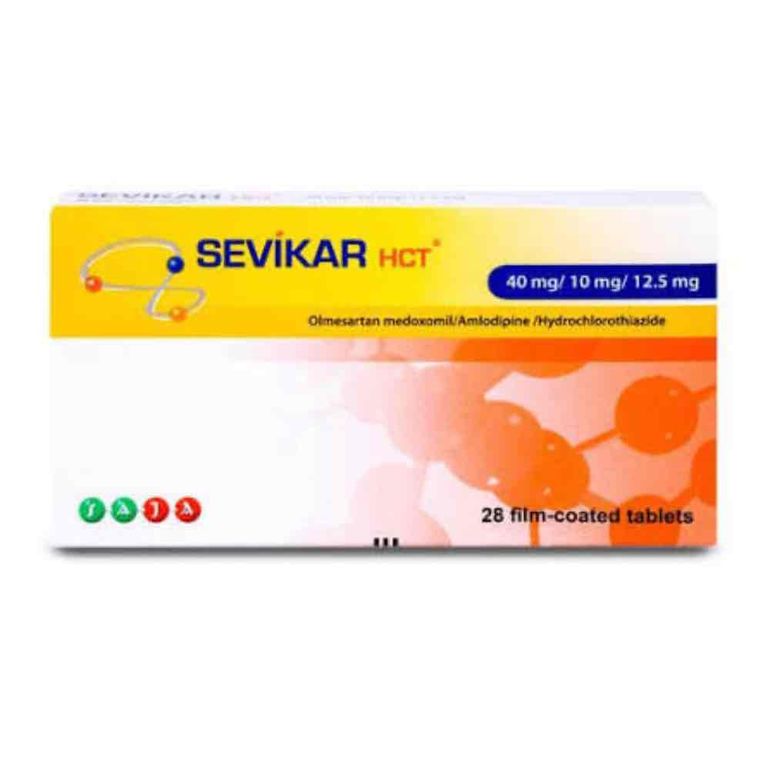
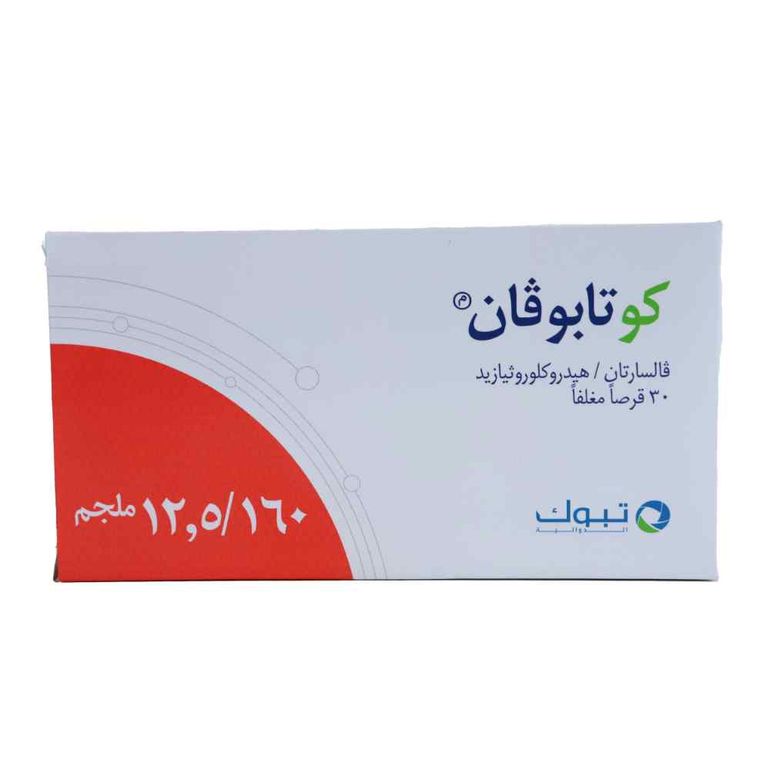
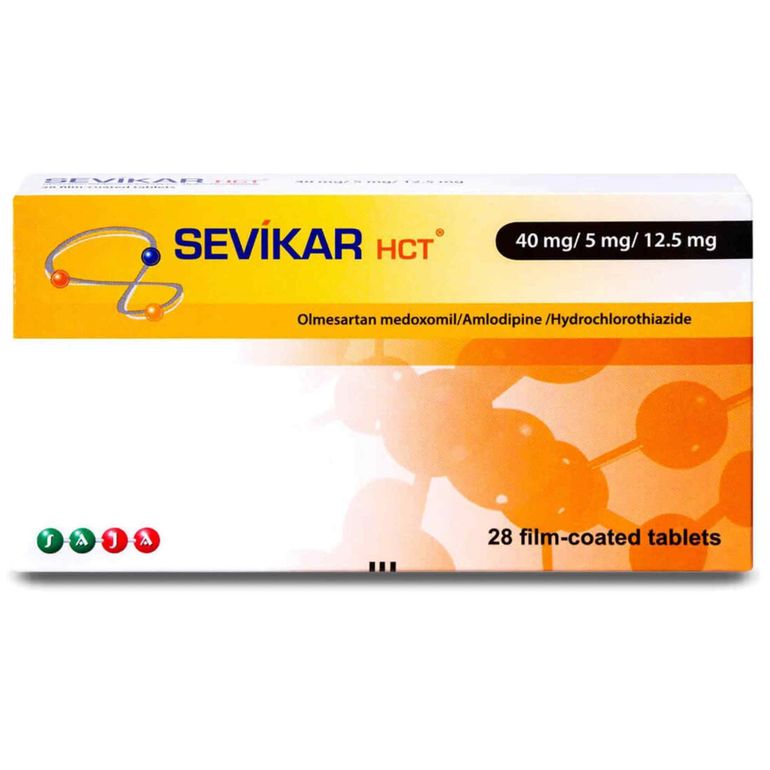
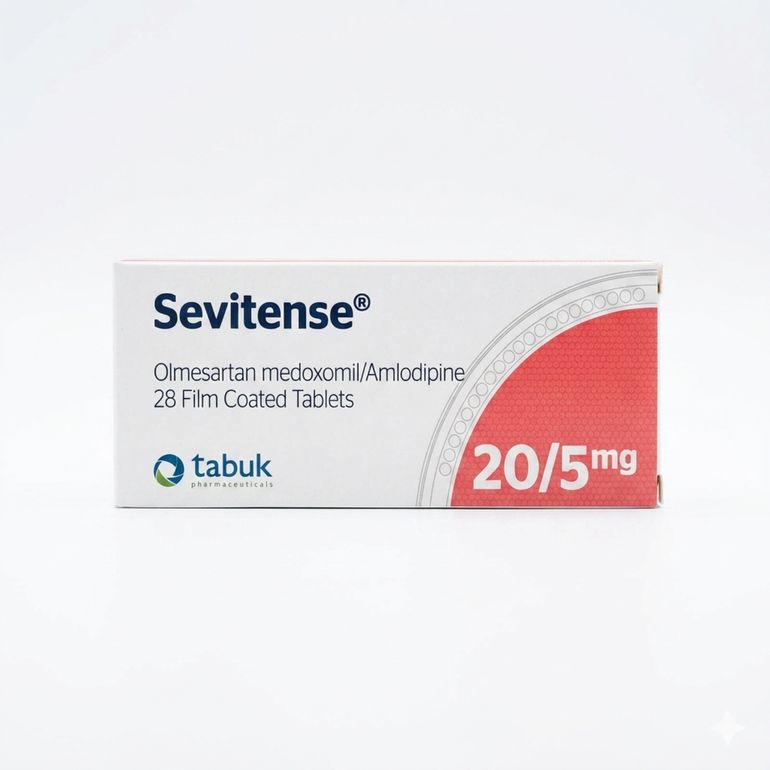
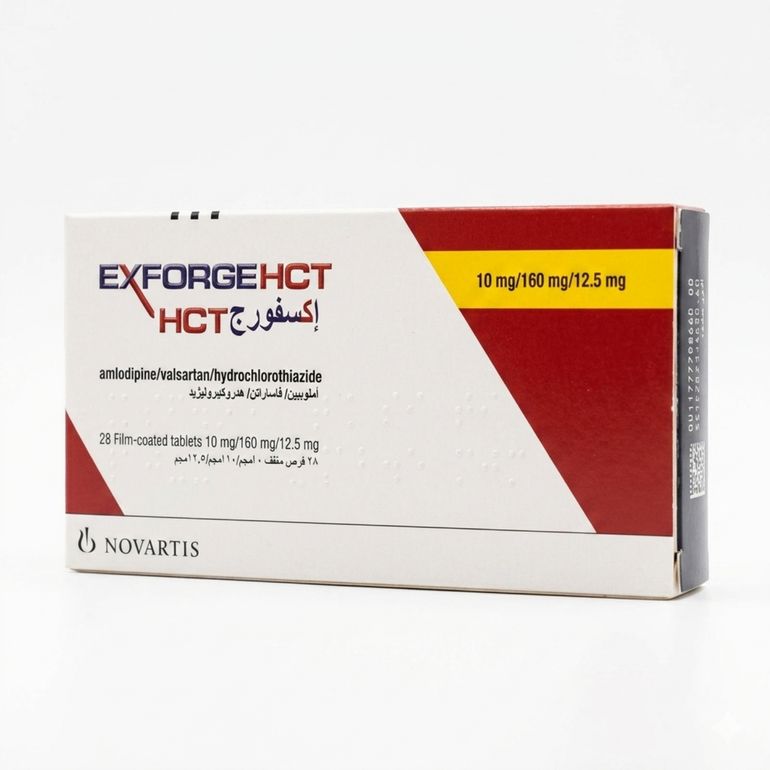
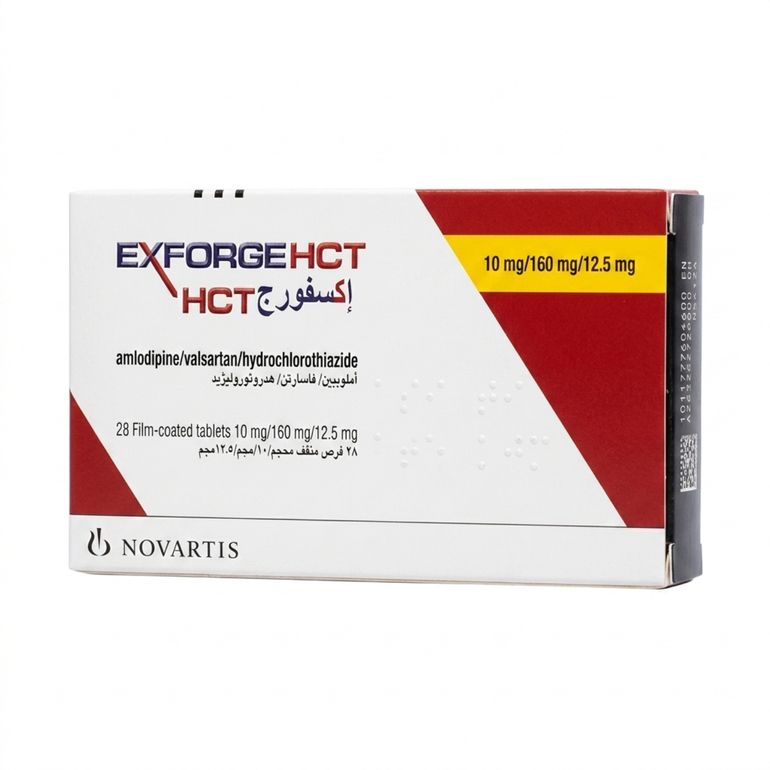
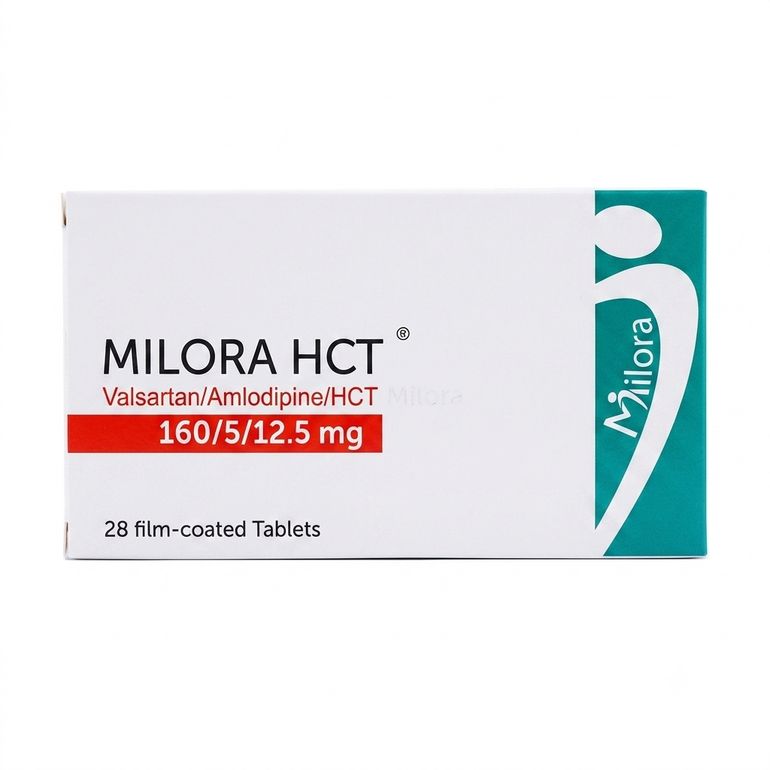
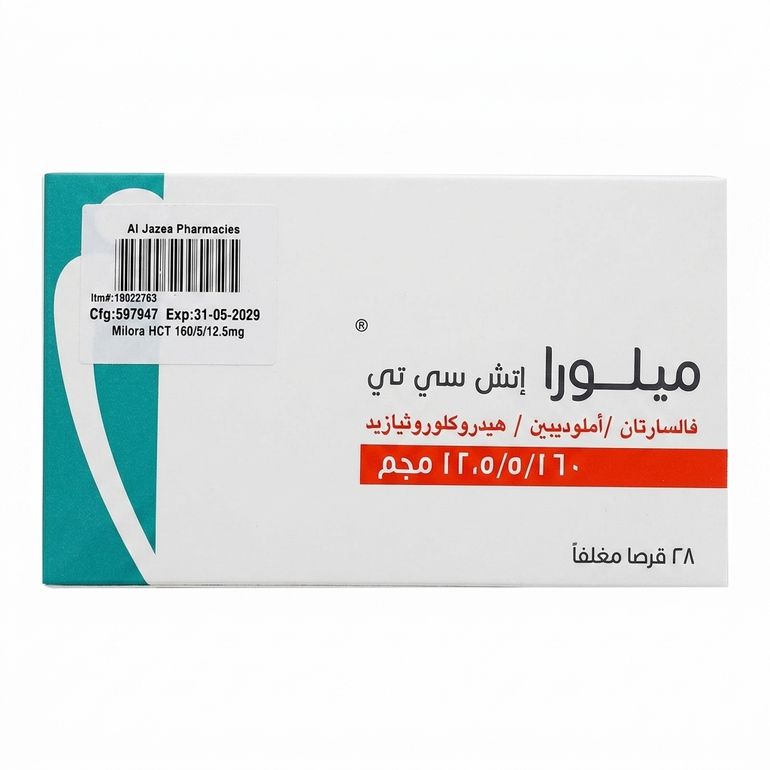
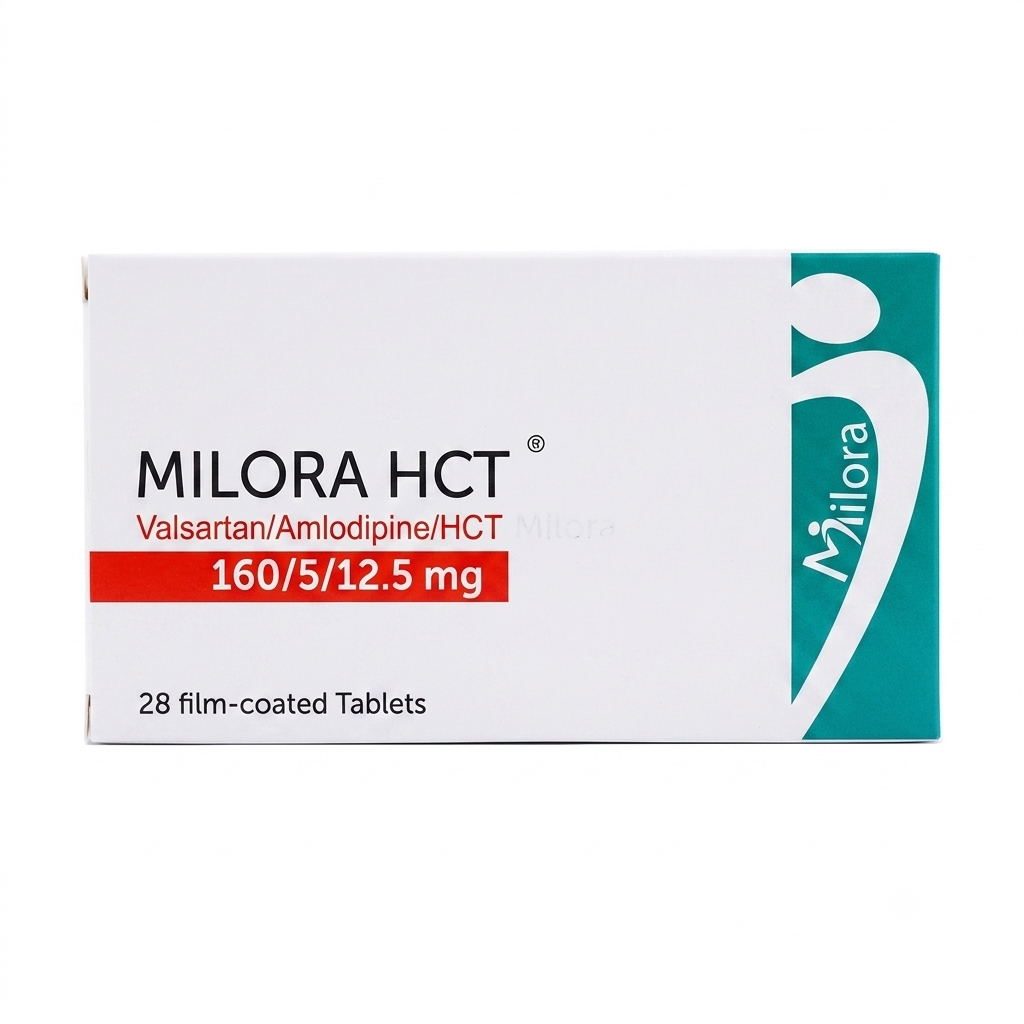
Milora HCT is a prescription-only, fixed-dose triple combination therapy indicated for the management of essential hypertension (high blood pressure). This medication integrates three distinct classes of antihypertensive agents to provide comprehensive blood pressure control in patients whose blood pressure is not adequately managed on dual therapy.
Key Medical Benefits and Indications
Milora HCT is utilized in clinical settings to achieve and maintain target blood pressure levels. Its triple-action formulation provides the following therapeutic benefits:
Comprehensive Blood Pressure Control: By targeting three different physiological pathways regulating blood pressure, the medication effectively lowers both systolic and diastolic readings.
Cardiovascular Risk Reduction: Sustained management of hypertension significantly decreases the clinical risk of fatal and nonfatal cardiovascular events, primarily strokes and myocardial infarctions (heart attacks).
Improved Patient Compliance: Combining three active ingredients into a single, once-daily tablet reduces pill burden, which is clinically proven to improve patient adherence to long-term antihypertensive therapy regimens.
Organ Protection: Proper regulation of blood pressure minimizes chronic stress on target organs, including the kidneys, heart, and brain, reducing the risk of hypertensive nephropathy and left ventricular hypertrophy.
Active Ingredients and Mechanism of Action
The clinical efficacy of Milora HCT 160/5/12.5mg relies on the synergistic pharmacological actions of its three active ingredients. The safety profile of this formulation is well-established for appropriate candidates requiring intensive blood pressure management.
Valsartan (160mg) – Angiotensin II Receptor Blocker (ARB):
Valsartan works by selectively blocking the binding of angiotensin II to the AT1 receptor in vascular smooth muscle and the adrenal gland. This action prevents angiotensin II-induced vasoconstriction and aldosterone-secreting effects, resulting in the relaxation of blood vessels and a subsequent drop in blood pressure.
Amlodipine (5mg) – Calcium Channel Blocker (CCB):
Amlodipine inhibits the transmembrane influx of calcium ions into vascular smooth muscle and cardiac muscle. This prevents muscle contraction, leading to peripheral arterial vasodilation and a reduction in systemic vascular resistance.
Hydrochlorothiazide (12.5mg) – Thiazide Diuretic:
Hydrochlorothiazide alters renal tubular mechanisms of electrolyte reabsorption. It increases the excretion of sodium, chloride, and water by the kidneys, which initially reduces intravascular volume and cardiac output, thereby lowering blood pressure.
Dosage, Administration, and Safety Precautions
To maintain therapeutic safety and efficacy, Milora HCT must be administered exactly as prescribed by a licensed healthcare provider.
Recommended Dosage and Administration
Standard Dosing: The typical dosage is one tablet taken orally once daily.
Administration: Tablets should be swallowed whole with a glass of water. They may be taken with or without food.
Consistency: For optimal blood pressure stabilization, the medication should be taken at the same time each day (typically in the morning due to the diuretic component, to prevent nocturnal urination).
Contraindications and Clinical Warnings
Fetal Toxicity: Milora HCT is strictly contraindicated during pregnancy. Drugs acting directly on the renin-angiotensin system can cause serious injury or death to the developing fetus. Discontinue immediately if pregnancy is detected.
Anuria and Sulfonamide Allergy: Contraindicated in patients with anuria or those with known hypersensitivity to sulfonamide-derived drugs (due to the Hydrochlorothiazide component).
Hypotension Risk: Symptomatic hypotension may occur, particularly in volume- or salt-depleted patients.
Electrolyte Imbalance: Regular monitoring of serum electrolytes is required, as the diuretic component may cause hypokalemia, hyponatremia, or hypomagnesemia.
Potential Drug Interactions
Patients must inform their physician of all concurrent medications to avoid adverse interactions, including:
Potassium Supplements or Potassium-Sparing Diuretics: Co-administration with Valsartan may lead to hyperkalemia.
Non-Steroidal Anti-Inflammatory Drugs (NSAIDs): May reduce the antihypertensive and diuretic effects of the medication and increase the risk of renal impairment.
Lithium: Diuretics reduce the renal clearance of lithium, heightening the risk of lithium toxicity.





 Brands