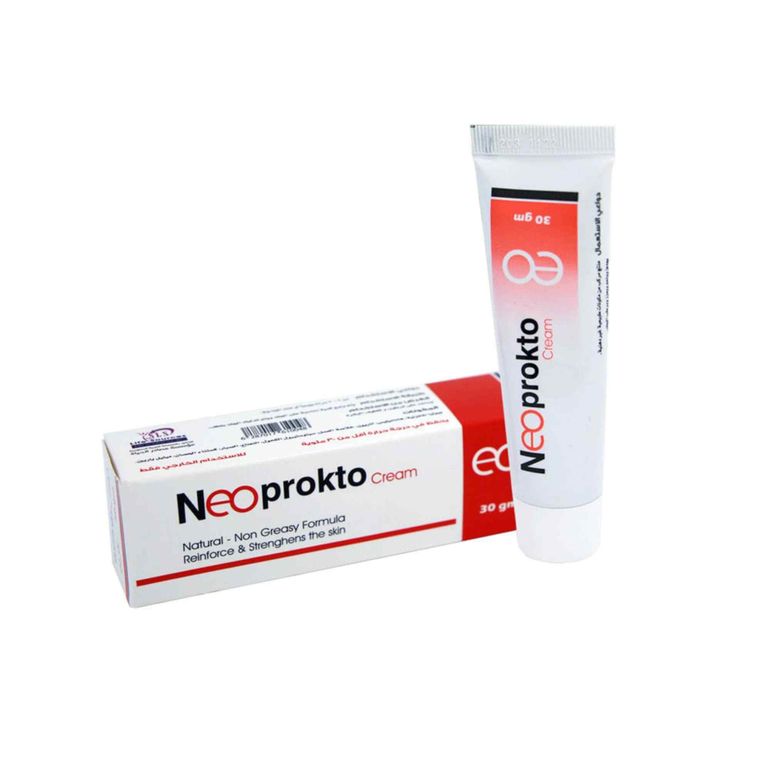
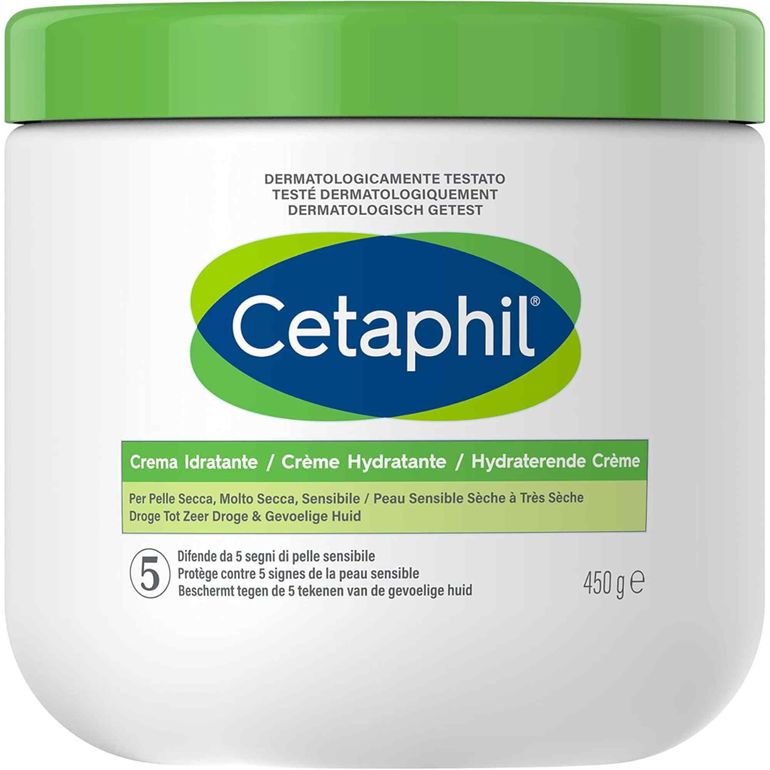
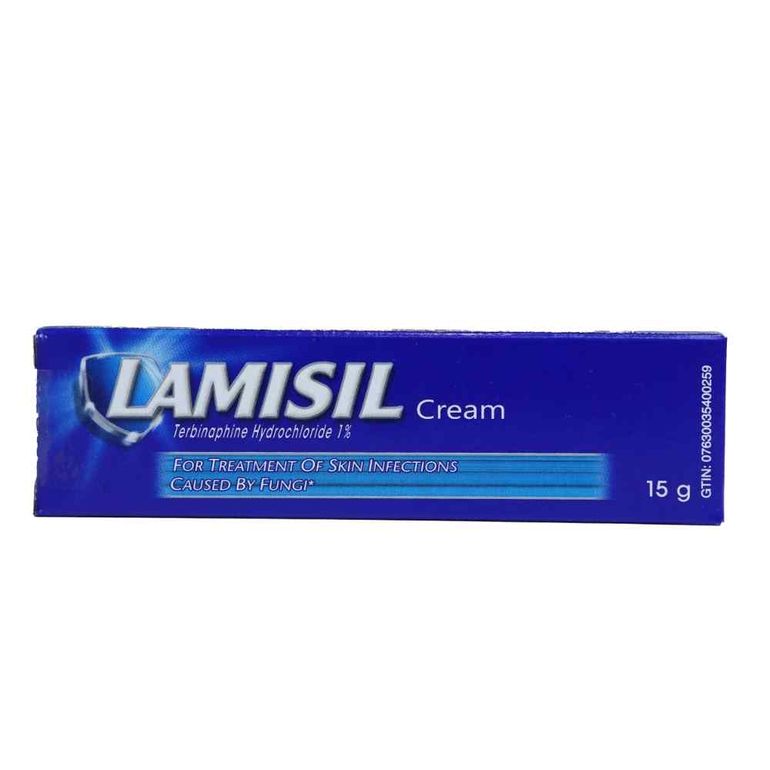
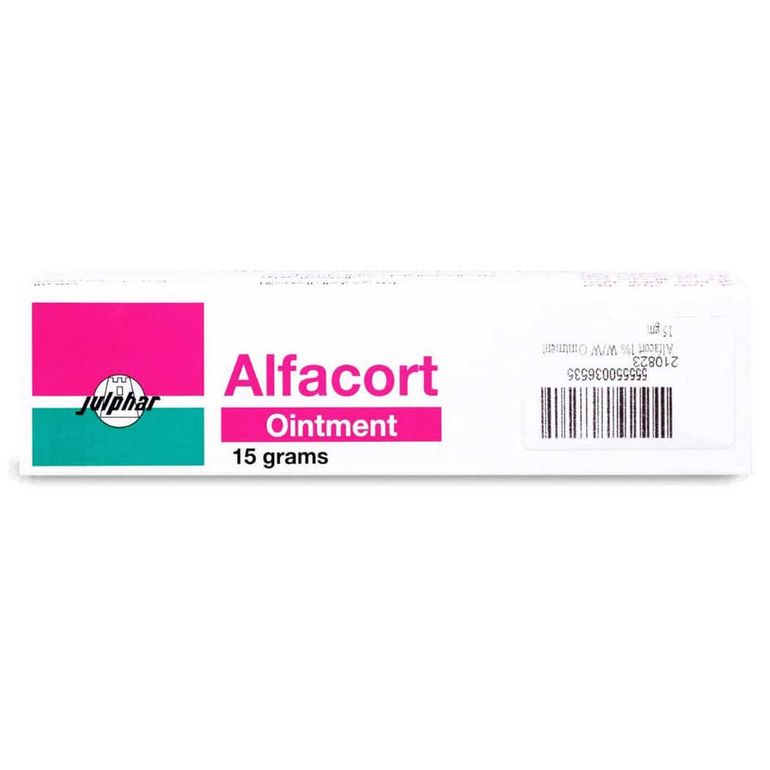
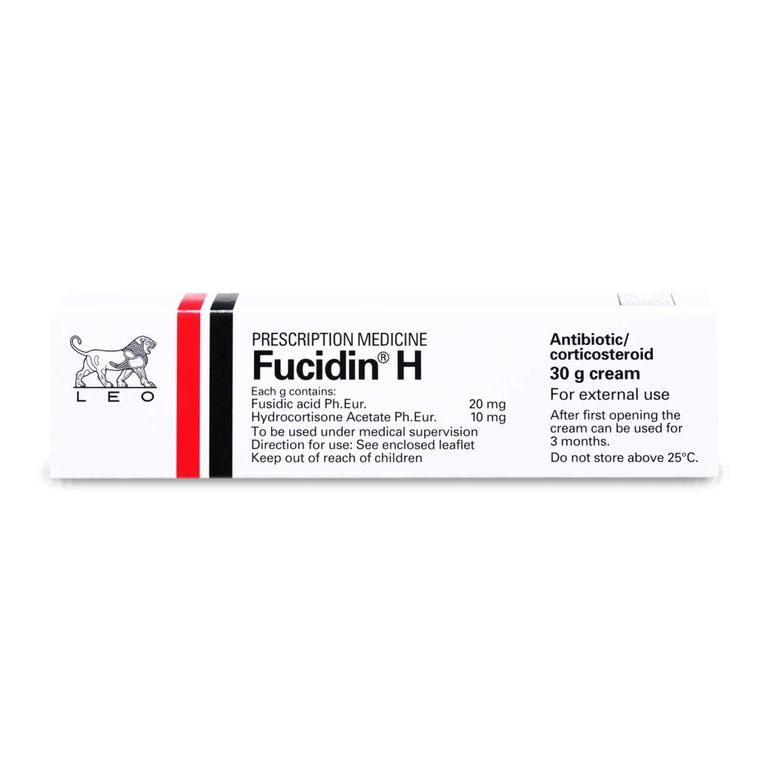
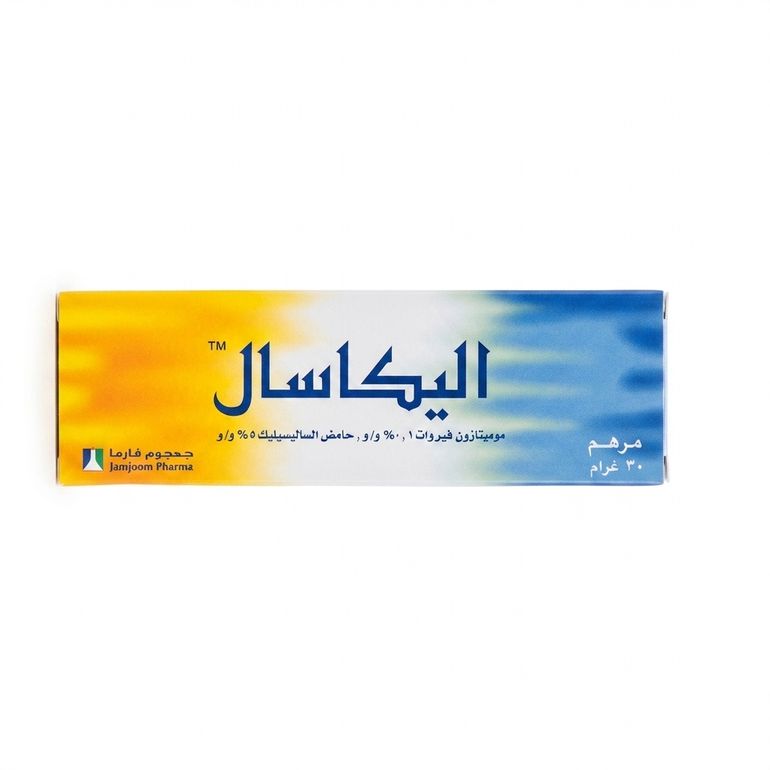
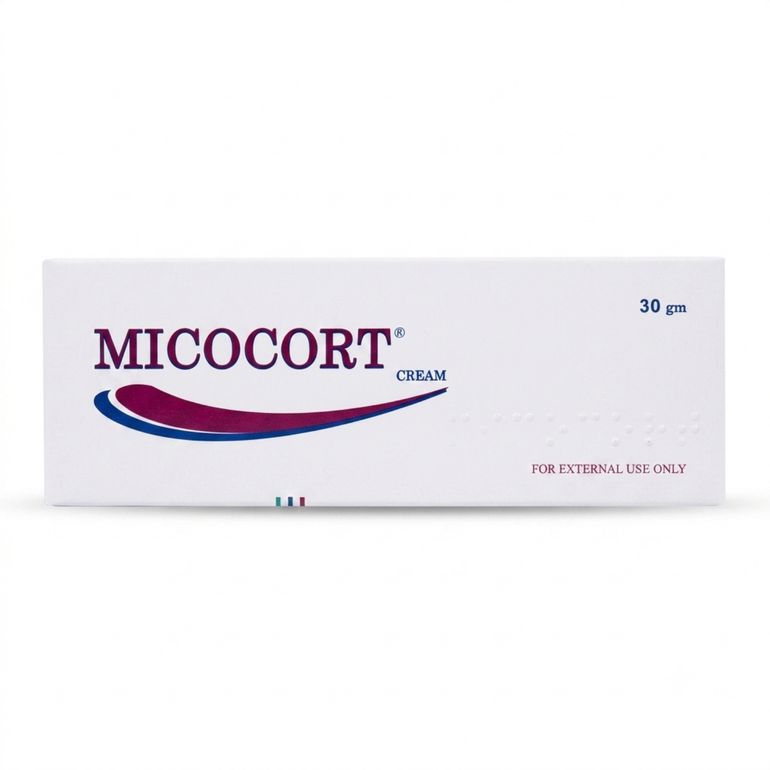
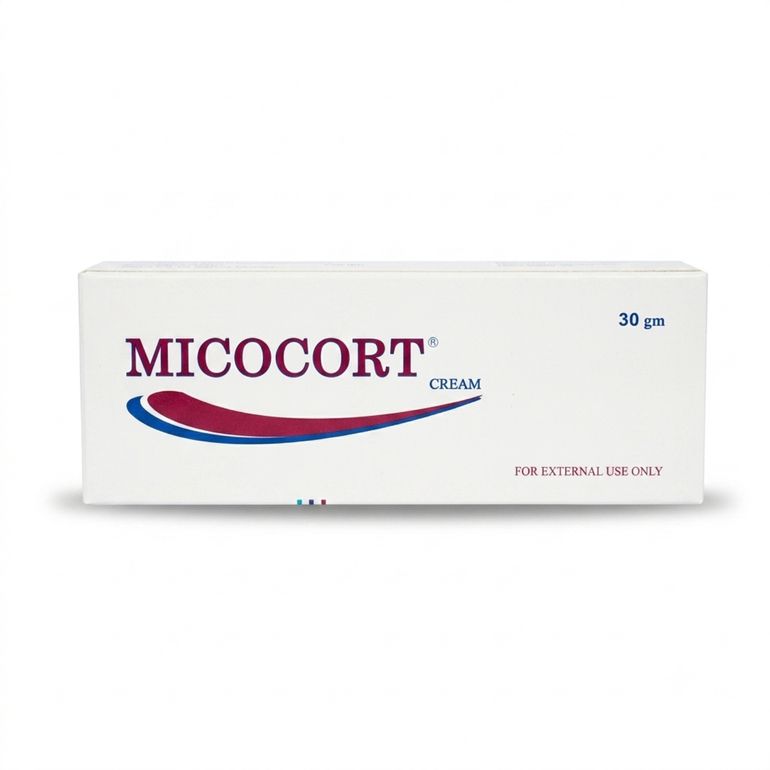
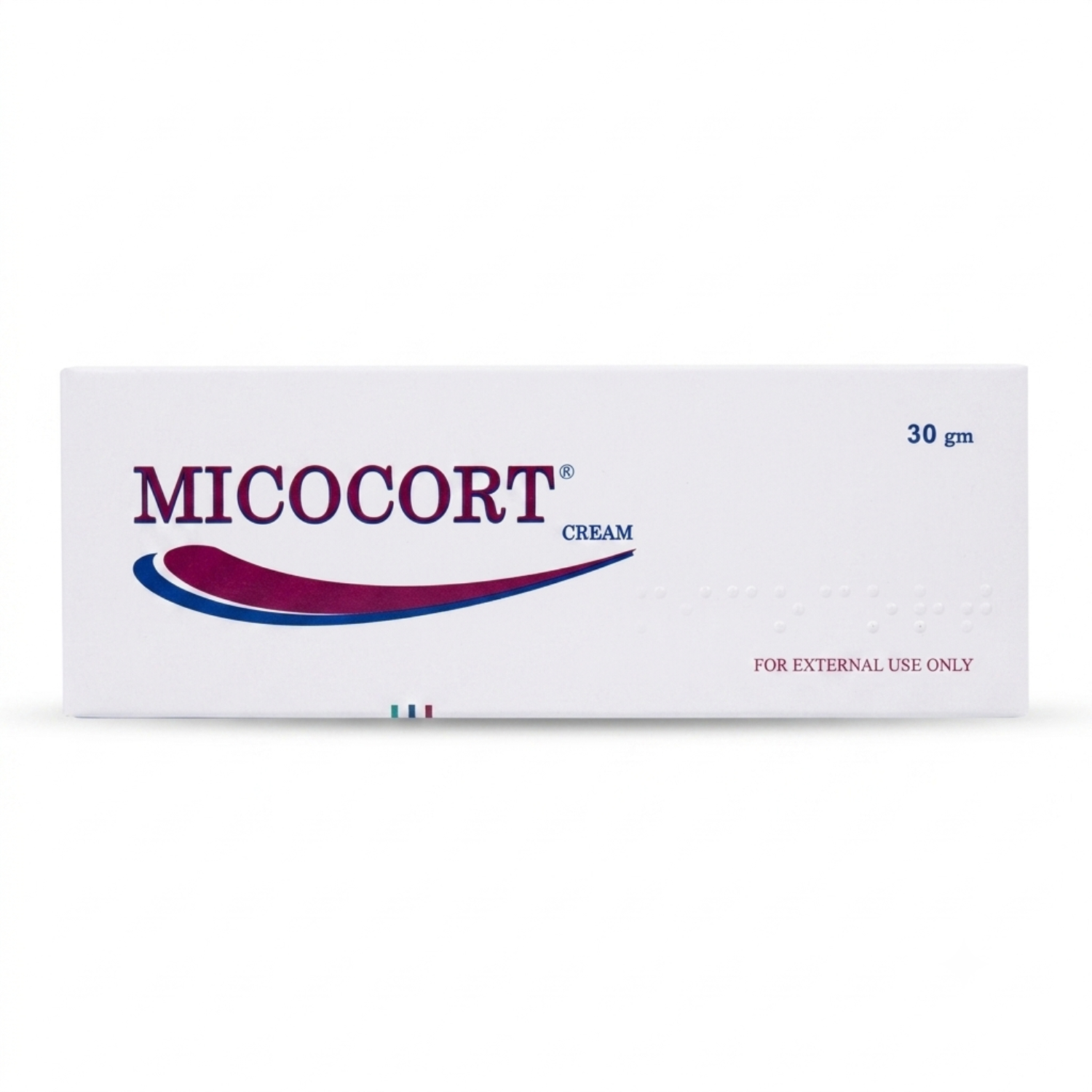
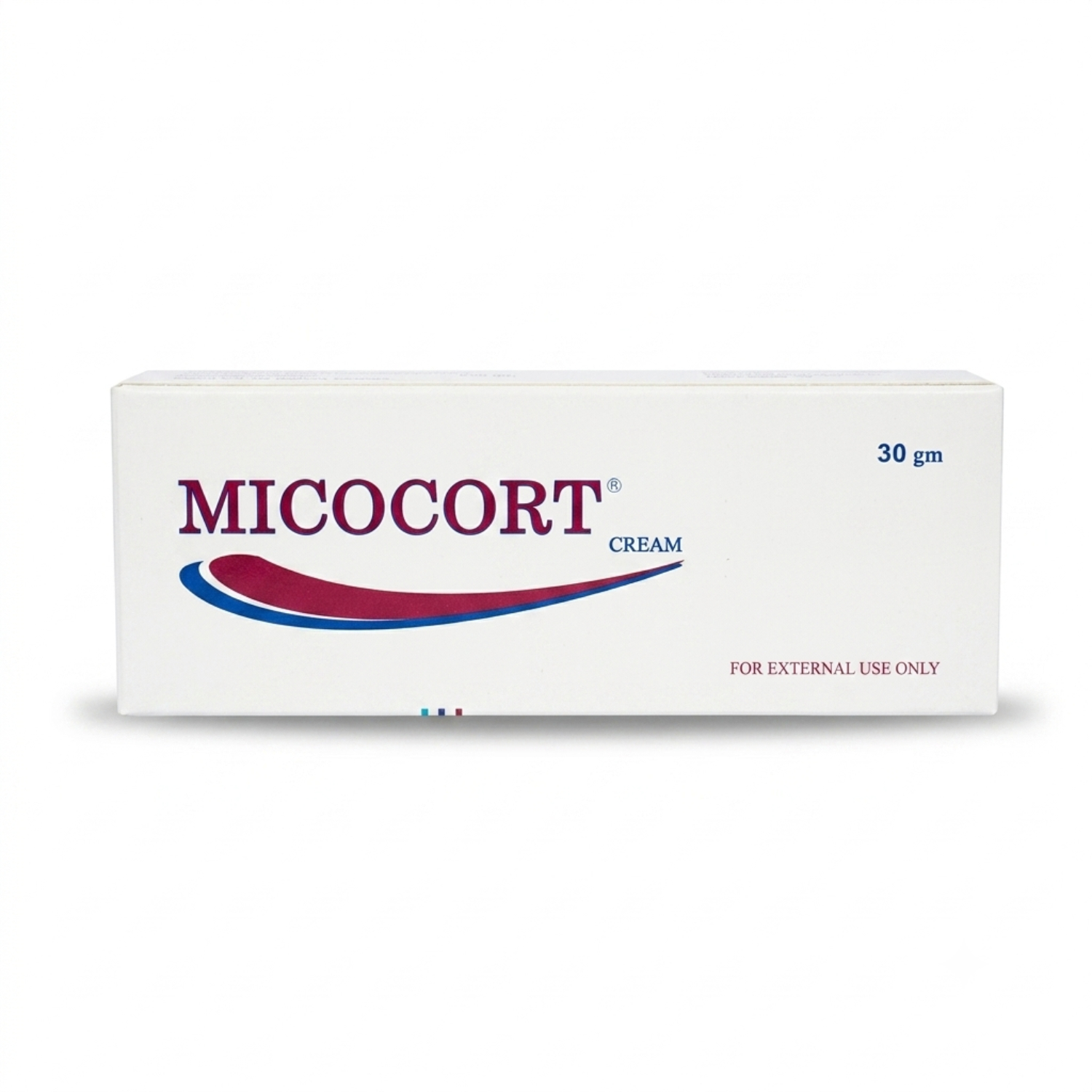
Micocort Antifungal Cream is a dual-action topical dermatological treatment formulated to eradicate superficial fungal infections of the skin while simultaneously suppressing secondary inflammatory symptoms. Combines an imidazole antifungal agent with a mild corticosteroid. It is clinically indicated for the management of inflamed dermatomycoses, including intertrigo, tinea pedis (athlete's foot), tinea cruris (jock itch), tinea corporis (ringworm), and candidal skin infections where erythema, severe pruritus, and localized swelling are present.
Key Medical Benefits & Clinical Value
1. Simultaneous Eradication of Dermatophytes and Yeasts
The cream effectively targets the underlying pathogenic fungal structures responsible for cutaneous infections. By eliminating superficial dermatophytes and Candida species, it resolves the primary source of the dermatological lesion, stopping the progression and spread of the infection to adjacent tissue zones.
2. Rapid Alleviation of Inflammatory Symptoms
Fungal infections often cause an intense, distressing immune response in the host. The integrated anti-inflammatory component provides rapid symptomatic relief by constricting localized blood vessels and subduing the histamine responses that trigger intense itching (pruritus), burning sensations, and painful skin scaling.
3. Prevention of Secondary Bacterial Excoriation
Severe itching frequently prompts physical scratching, which compromises the epidermal barrier and introduces opportunistic bacterial pathogens. By mitigating the urge to scratch and stabilizing the skin barrier, this preparation minimizes the clinical risk of developing a secondary bacterial infection.
Ingredients & Mechanism of Action
Dual Active Ingredients Matrix
Each gram of Micocort Cream contains a stabilized combination of:
Miconazole Nitrate: A synthetic imidazole antifungal agent.
Hydrocortisone: A low-potency (Class VII) topical corticosteroid.
Mode of Action:
Antifungal Mechanism: Miconazole nitrate acts by inhibiting the enzyme lanosterol 14-alpha-demethylase. This disruption halts the synthesis of ergosterol, a crucial structural component of the fungal cell membrane. The resulting increase in membrane permeability causes cellular contents to leak, inducing fungal cell death. Miconazole also exhibits secondary antibacterial activity against specific Gram-positive bacilli.
Anti-Inflammatory Mechanism: Hydrocortisone diffuses across cellular membranes to bind with specific cytoplasmic glucocorticoid receptors. This activation suppresses the transcription of pro-inflammatory cytokines, interleukins, and leukotrienes, reducing localized vascular permeability, edema, and cellular infiltration at the site of infection.
Usage Instructions & Safety Precautions
Clinical Administration Guidelines
To maximize the therapeutic efficacy of the dual-action formula and maintain strict skin safety, patients should follow this clinical protocol:
Preparation: Wash the affected skin area thoroughly with mild, soap-free cleanser and pat completely dry with a clean towel before application. Fungi thrive in warm, damp environments.
Application: Apply a thin layer of Micocort Cream to the infected lesions and approximately one centimeter of the surrounding healthy skin margin. Gently rub the cream in until it is completely absorbed.
Frequency: Administer the cream twice daily (morning and evening), or precisely as directed by a certified dermatologist or general practitioner.
Duration: Treatment should be continued for up to 7 to 14 days. If symptoms persist beyond this window, re-evaluation by a healthcare professional is mandatory to ruling out resistant strains or secondary pathologies.
Crucial Safety Precautions
Contraindications: Do not apply to tuberculous, viral (such as herpes simplex or varicella), or syphilitic skin lesions. Avoid application to open wounds or broken skin.
Anatomical Restrictions: This cream is intended exclusively for external dermatological use. Do not apply near the ophthalmic area, to mucous membranes, or across extensive body surface areas under occlusive dressings, as this can elevate systemic steroid absorption.
Pediatric Warning: Use in infants and young children must be strictly monitored by a pediatrician. Prolonged topical corticosteroid application in pediatric patients can suppress the adrenal glands due to a higher skin surface area-to-body weight ratio.
Storage Parameters: Store the 30gm tube in a controlled environment below 25°C. Prevent exposure to freezing temperatures and direct thermal sources. Ensure the cap is securely sealed and kept completely out of reach of children.





 Brands