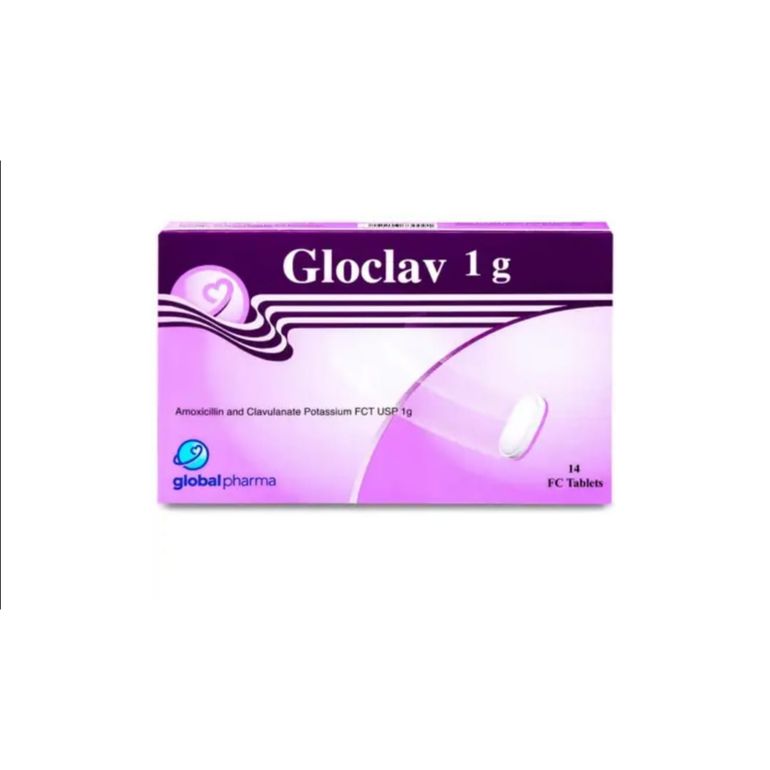
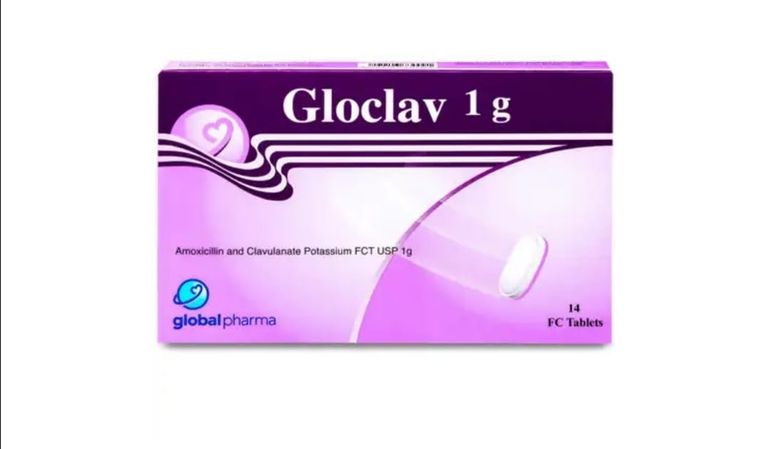
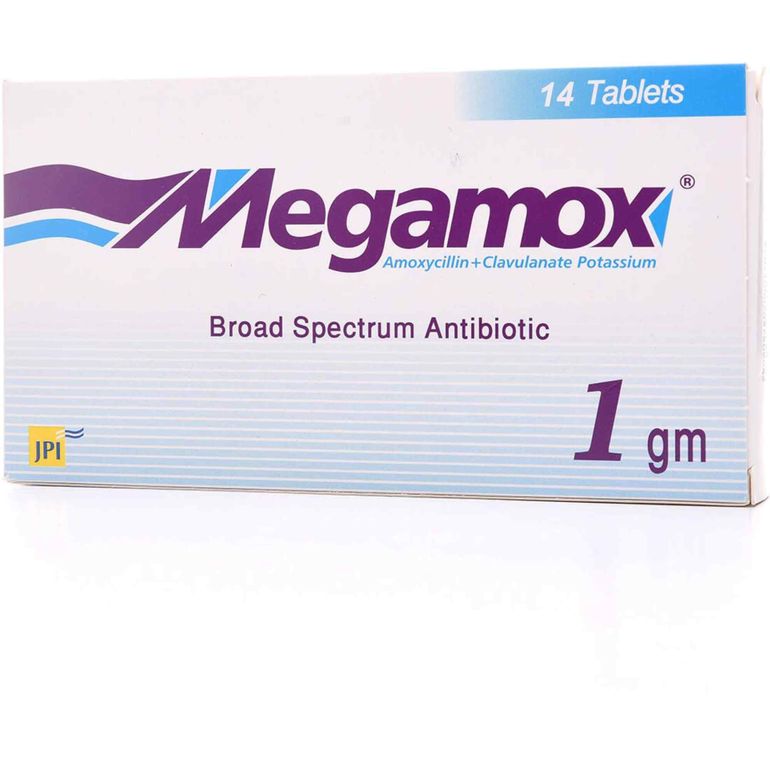
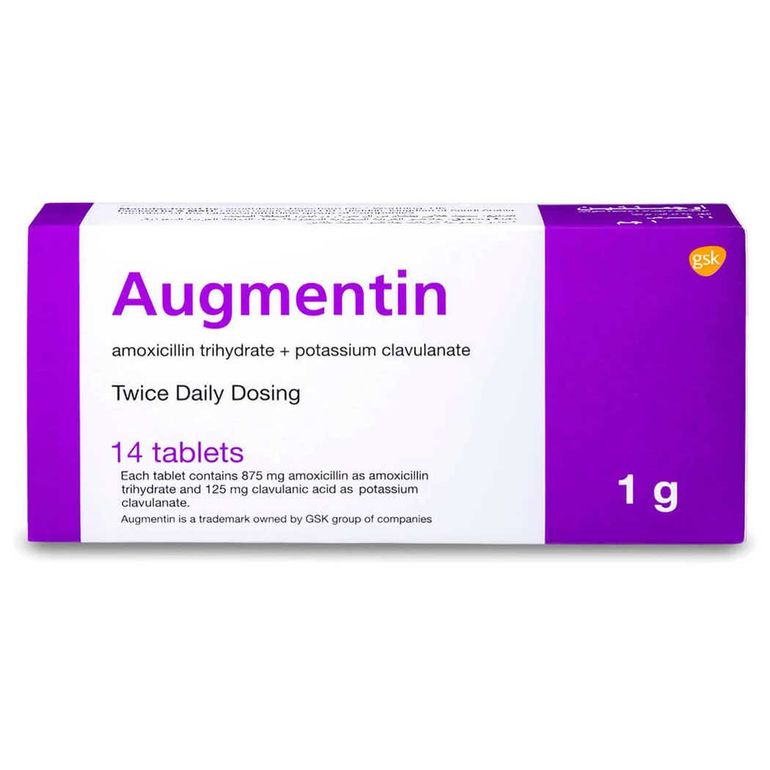
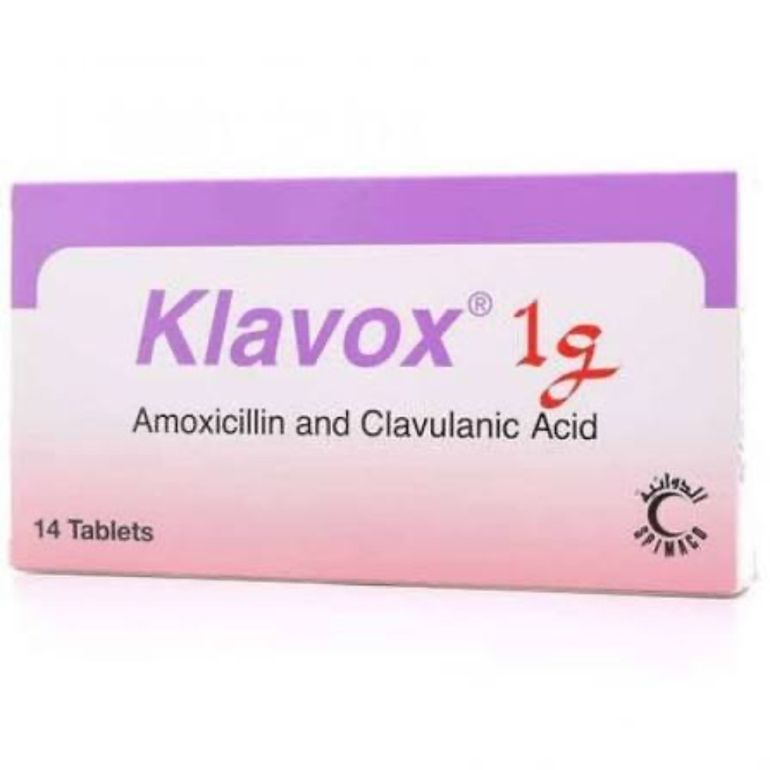
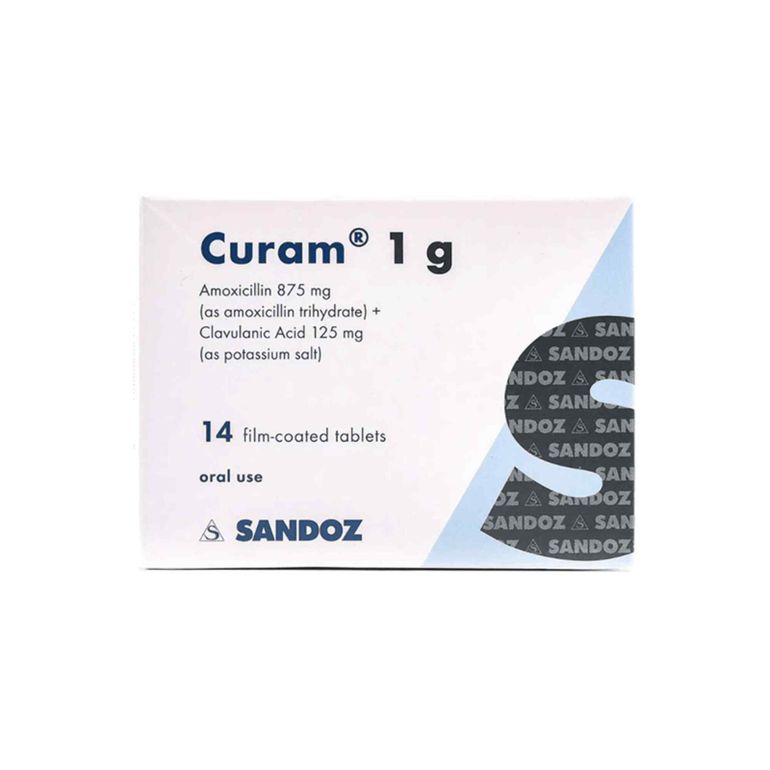
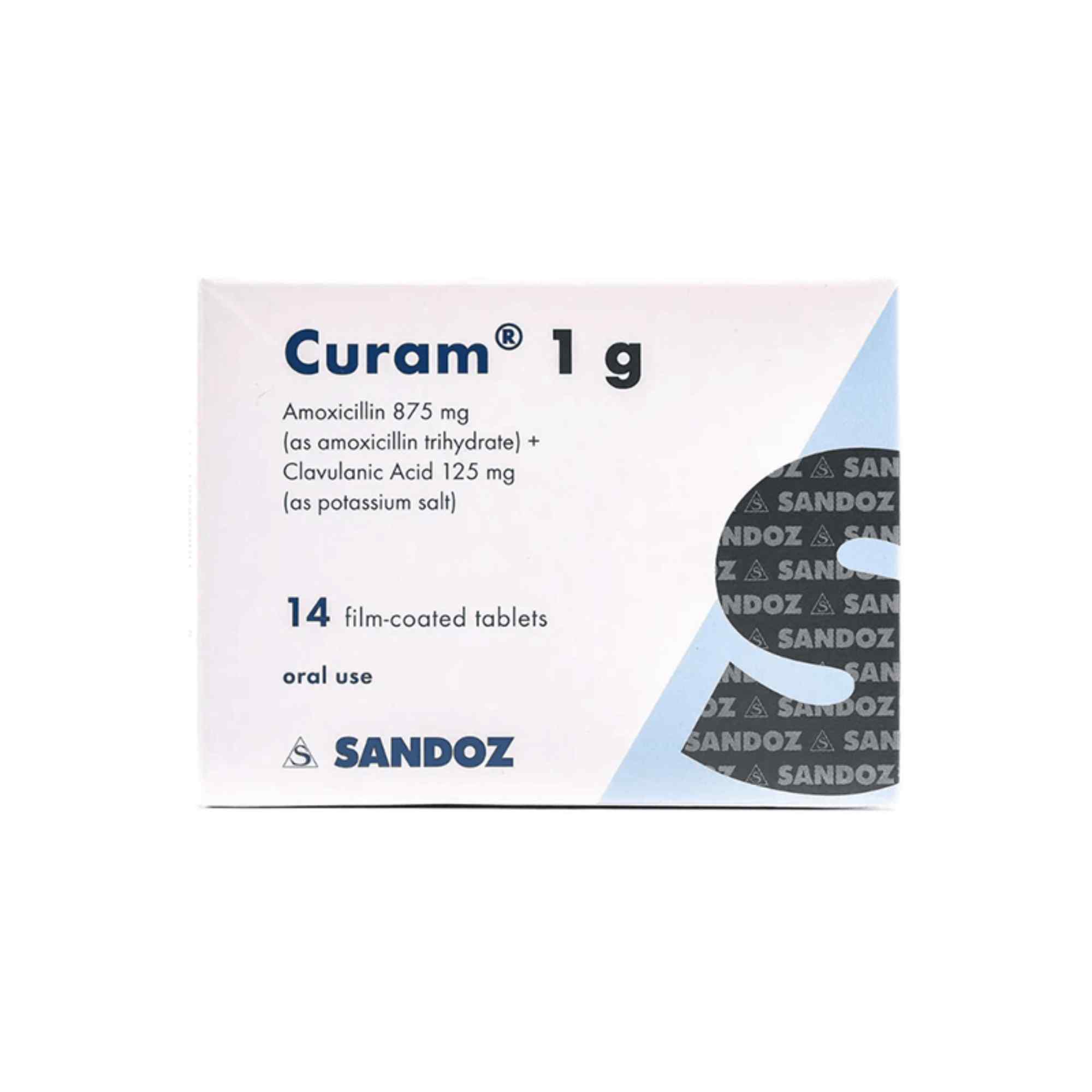
Curam 1g is an oral fixed-dose combination antibiotic medication belonging to the co-amoxiclav drug class. It is prescribed for the treatment of mild, moderate, and severe bacterial infections caused by susceptible Gram-positive and Gram-negative microorganisms in adult and pediatric patients weighing 40 kg or more.
By combining Amoxicillin (an aminopenicillin) with Clavulanic Acid (a beta-lactamase inhibitor), Curam 1g overcomes standard bacterial resistance mechanisms, restoring antibacterial efficacy against pathogens that would otherwise hydrolyze amoxicillin alone.
Active Ingredients & Dual Antimicrobial Action
Each film-coated tablet delivers a total nominal dose of 1000 mg (1g) expressed through two active pharmaceutical ingredients:
Amoxicillin Trihydrate (875 mg): A broad-spectrum aminopenicillin antibiotic that acts by interfering with bacterial cell wall peptidoglycan synthesis. Inhibiting bacterial transpeptidase enzymes leads to structural instability, cell wall breakdown, and ultimate bacterial lysis.
Clavulanic Acid as Potassium Clavulanate (125 mg): A structurally related beta-lactam molecule with weak intrinsic antibacterial activity, but high affinity for bacterial beta-lactamase enzymes. It acts as a suicide inhibitor, binding irreversibly to active enzyme sites to protect amoxicillin from enzymatic degradation.
Mechanism of Action
Bactericidal Activity: Amoxicillin binds to penicillin-binding proteins (PBPs) located inside the bacterial cell wall, suppressing cross-linking steps during cell division and causing rapid bacterial death.
Overcoming Resistance: Many resistant strains produce beta-lactamase enzymes that destroy the beta-lactam ring of traditional penicillins. Clavulanic acid inactivates these enzymes, enabling amoxicillin to achieve bactericidal concentrations against beta-lactamase-producing organisms.
Key Medical Indications & Clinical Efficacy
Curam 1g is indicated for the treatment of susceptible acute and chronic bacterial infections across multiple physiological systems:
Respiratory Tract Infections: Acute bacterial sinusitis, acute otitis media, community-acquired pneumonia, and acute exacerbations of chronic bronchitis.
Urinary Tract Infections (UTIs): Uncomplicated and complicated pyelonephritis, cystitis, and recurrent urinary system infections.
Skin & Soft Tissue Infections: Cellulitis, animal bites, severe dental abscesses spreading to local soft tissues, and post-surgical wound infections.
Bone & Joint Infections: Osteomyelitis requiring high-concentration oral antibiotic coverage following initial intravenous management.
Usage Instructions & Dosage Protocol
Important: Curam 1g is a prescription-only antibacterial agent. Dosage schedules and treatment length must be determined strictly by a licensed healthcare professional based on infection site, severity, and patient renal clearance.
Standard Adult & Adolescent Dosage (≥ 40 kg): The usual recommended dose is one tablet (875/125 mg) twice daily, spaced at 12-hour intervals.
Optimal Administration: To maximize absorption and minimize potential gastrointestinal intolerance (such as nausea or abdominal discomfort), take the tablet at the start of a meal or light snack.
Tablet Handling: Swallow the tablet whole with a full glass of water. Do not chew or crush the tablet.
Course Completion: Patients must complete the full prescribed duration of therapy, even if symptoms resolve early. Premature discontinuation increases the risk of treatment failure and the emergence of antibiotic-resistant strains.
Maximum Duration: Treatment should not exceed 14 days without clinical review and re-evaluation by a physician.
Safety Precautions, Warnings & Contraindications
Absolute Contraindications
Penicillin Allergy: History of severe immediate hypersensitivity reactions (e.g., anaphylaxis, Stevens-Johnson syndrome) to amoxicillin, ampicillin, penicillins, or cephalosporins.
Hepatic Dysfunction: History of co-amoxiclav-associated jaundice, cholestatic jaundice, or hepatic impairment.
Precautions & Clinical Monitoring
Renal Impairment: Curam 1g tablets (875/125 mg ratio) are not recommended in patients with severe renal impairment (creatinine clearance less than 30 mL/min), as dose adjustments cannot be made using fixed-ratio 1g tablets.
Hepatic Monitoring: Caution should be exercised in patients with underlying liver disease. Hepatic function parameters should be routinely checked during prolonged courses.
Superinfections: Prolonged use may result in the overgrowth of non-susceptible organisms, such as Candida species or Clostridioides difficile (associated with pseudomembranous colitis).
Pregnancy & Lactation: Use during pregnancy (especially during the first trimester) and breastfeeding should occur only when deemed clinically necessary by a physician.
Product Specifications & Storage
Formulation: Film-coated, capsule-shaped tablets.
Pack Size: 14 tablets (blister packaging).
Storage Conditions: Store below 25°C in the original moisture-protective container. Keep away from excessive heat, direct sunlight, and out of reach of children.





 Medication