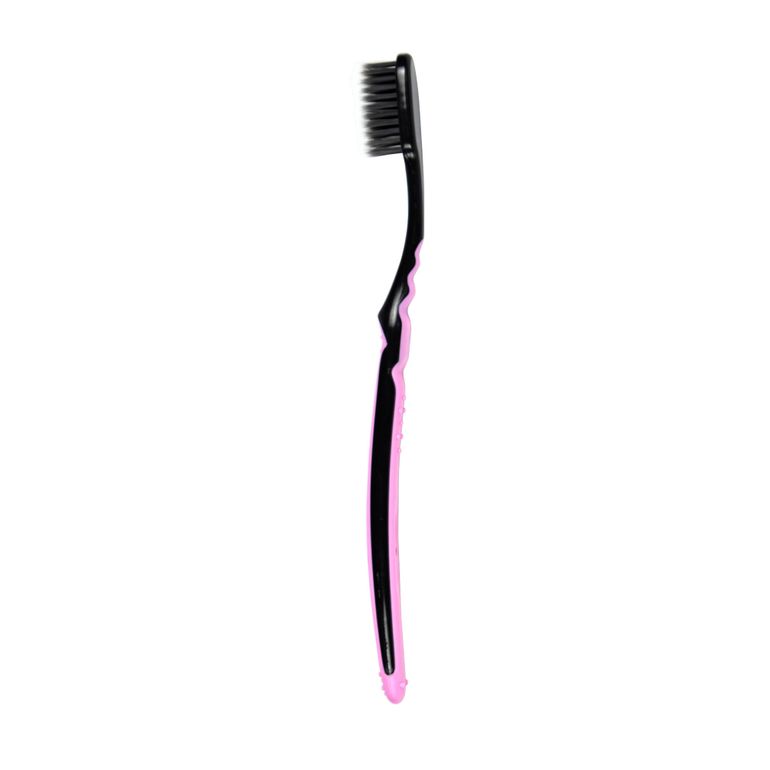
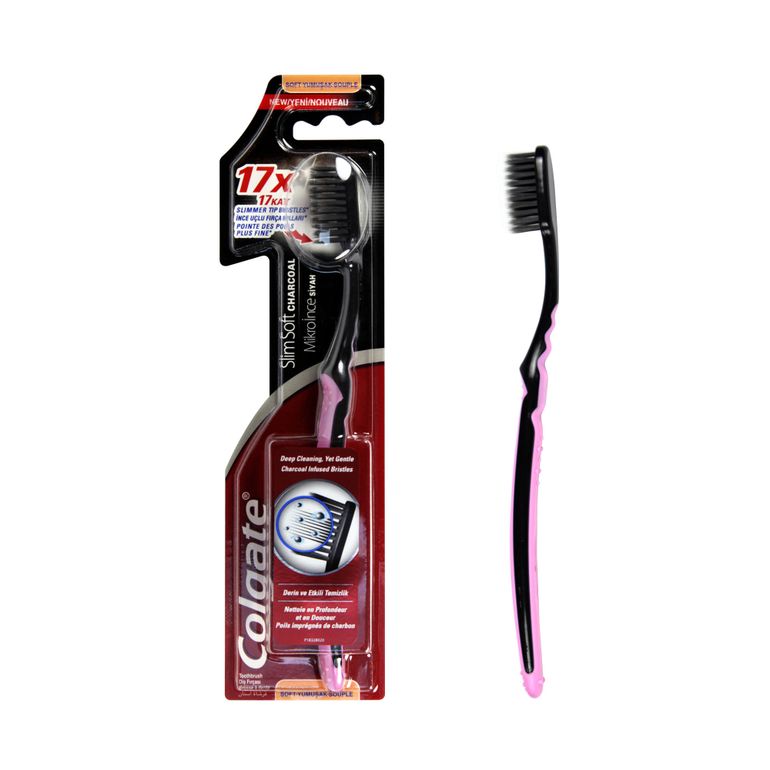
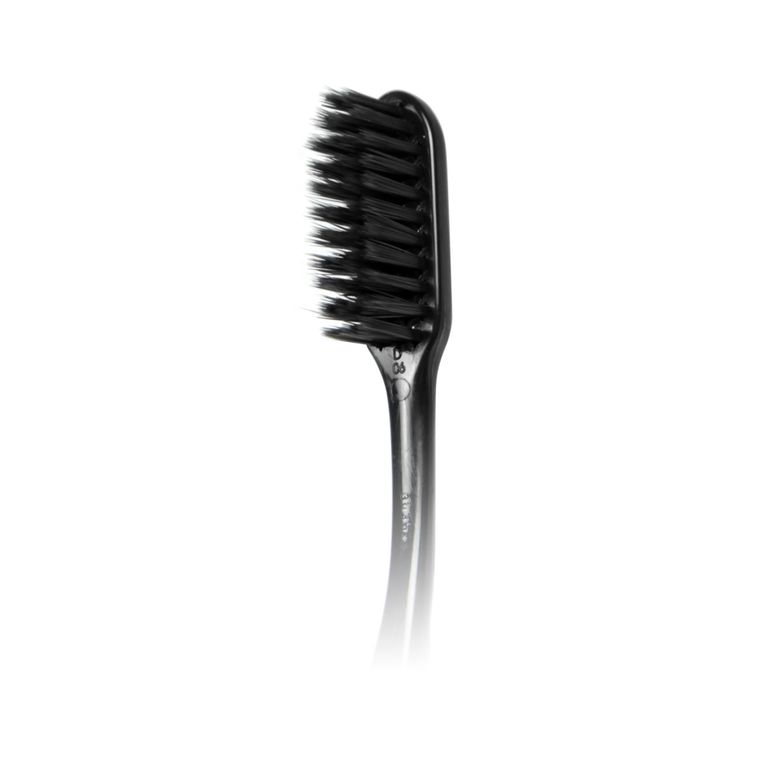
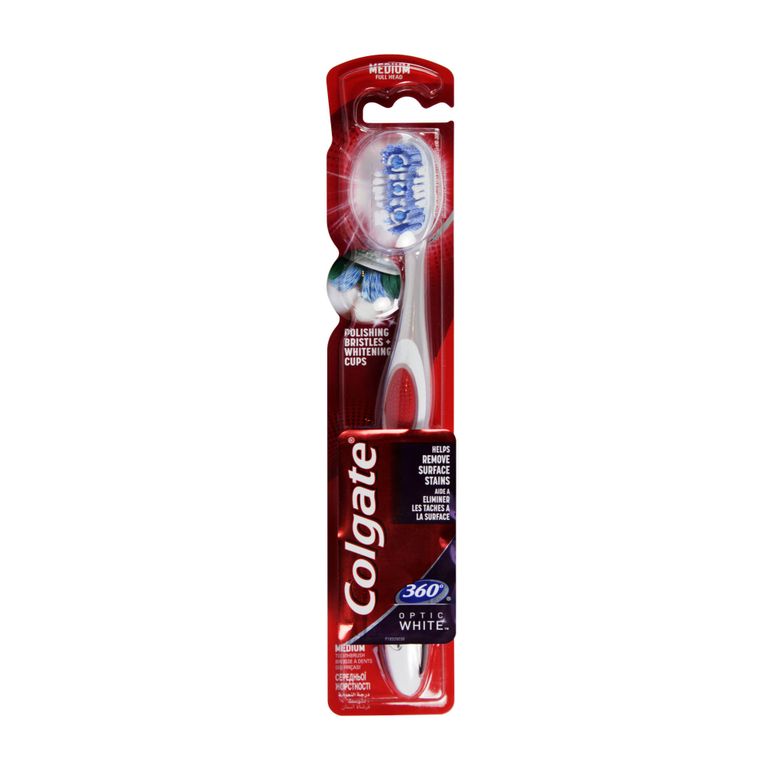
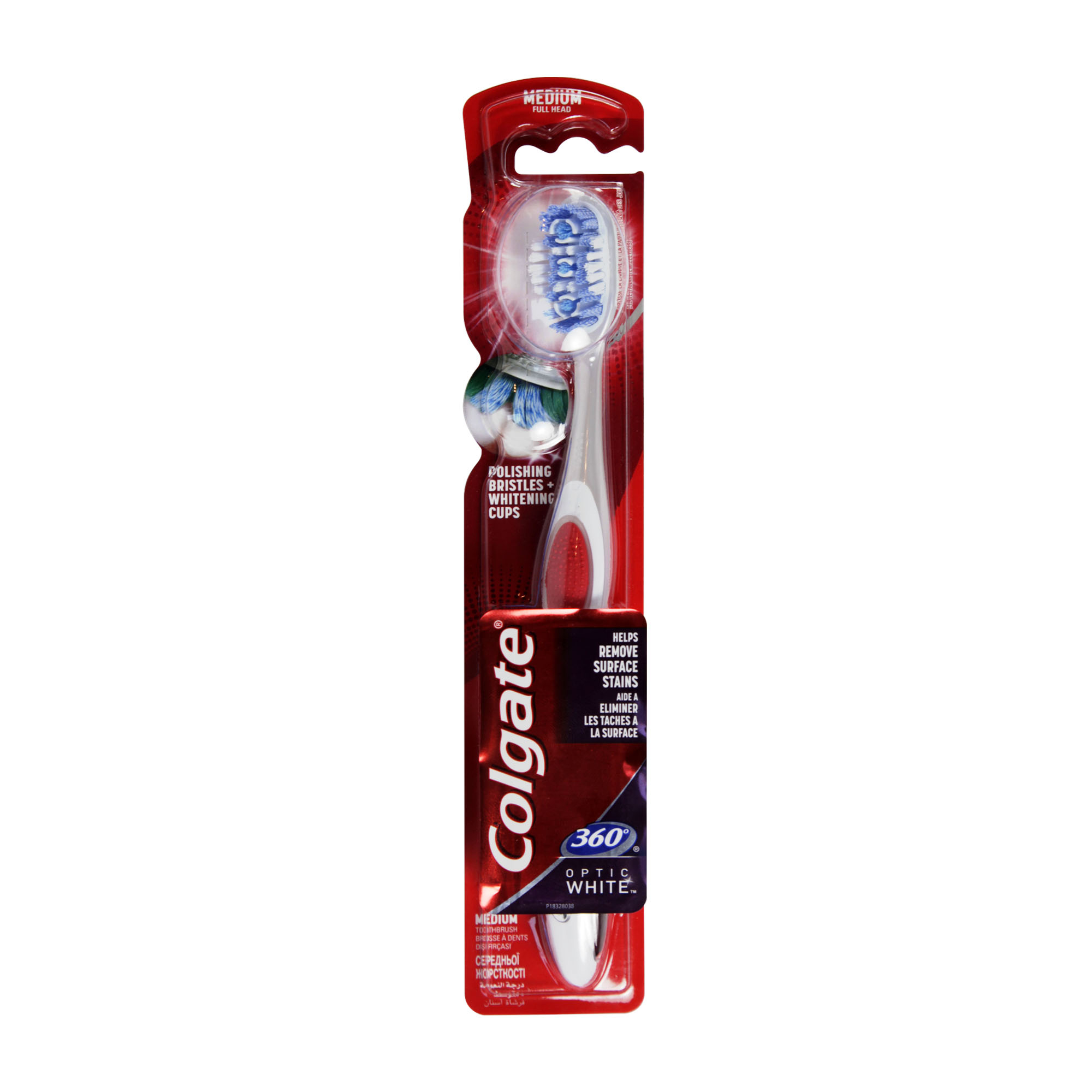
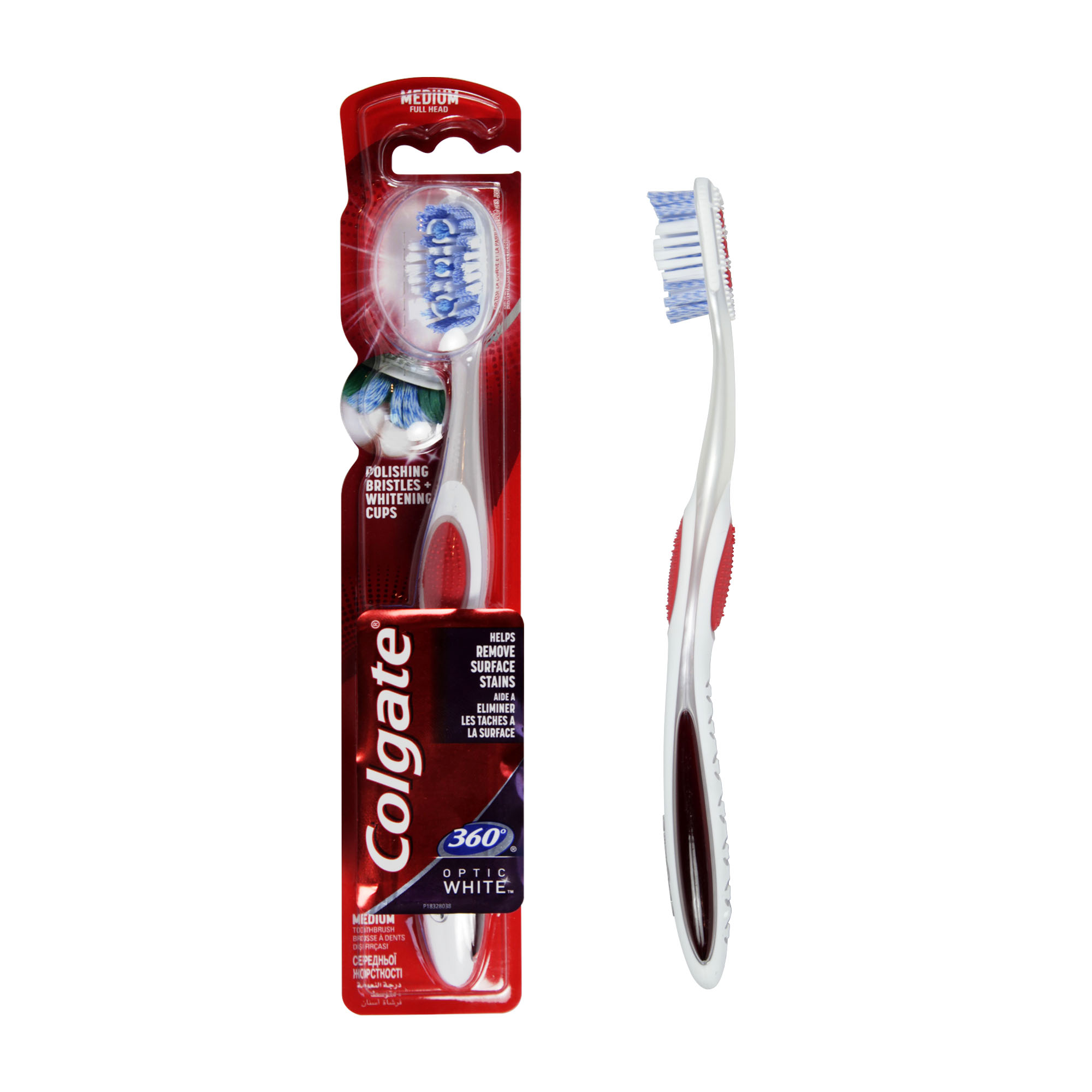
Colgate 360° Optic White Manual Toothbrush is an oral hygiene device engineered for mechanical plaque disruption, extrinsic stain reduction, and comprehensive cleaning of the oral cavity. Unlike conventional toothbrushes designed exclusively for coronal dental surfaces, this multi-functional instrument incorporates specialized head features to address soft tissues—including the tongue and buccal mucosa (cheeks)—where a significant proportion of oral bacteria reside.
By facilitating mechanical abrasion through specialized bristle configurations and soft elastomeric elements, the Colgate 360° Optic White assists in reducing bacterial biofilm, mitigating halitosis, and preserving periodontal and dental health.
Structural Features & Mechanism of Action
The clinical efficacy of the Colgate 360° Optic White relies on an integrated, multi-zone design that optimizes mechanical cleaning during routine toothbrushing:
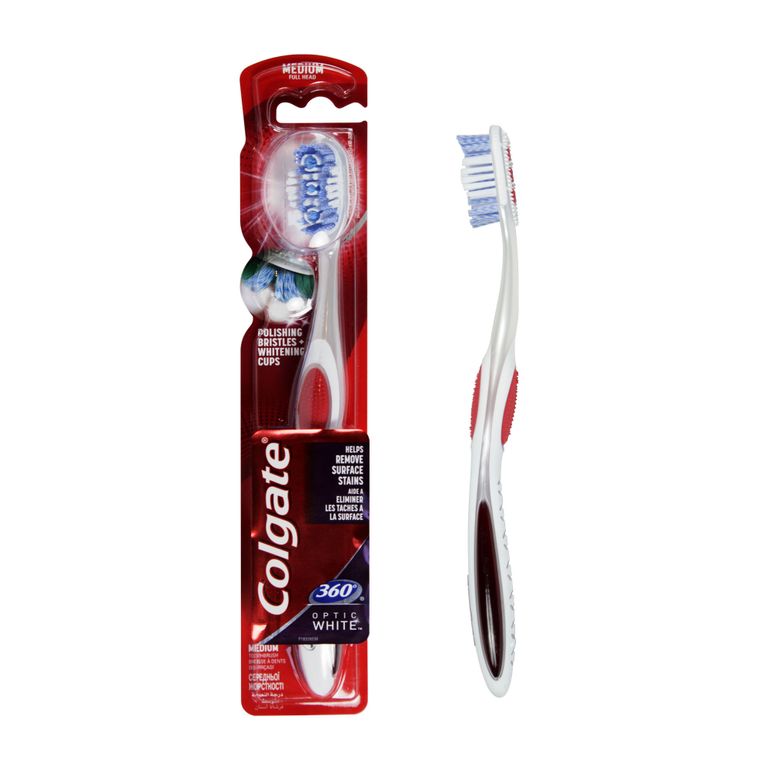
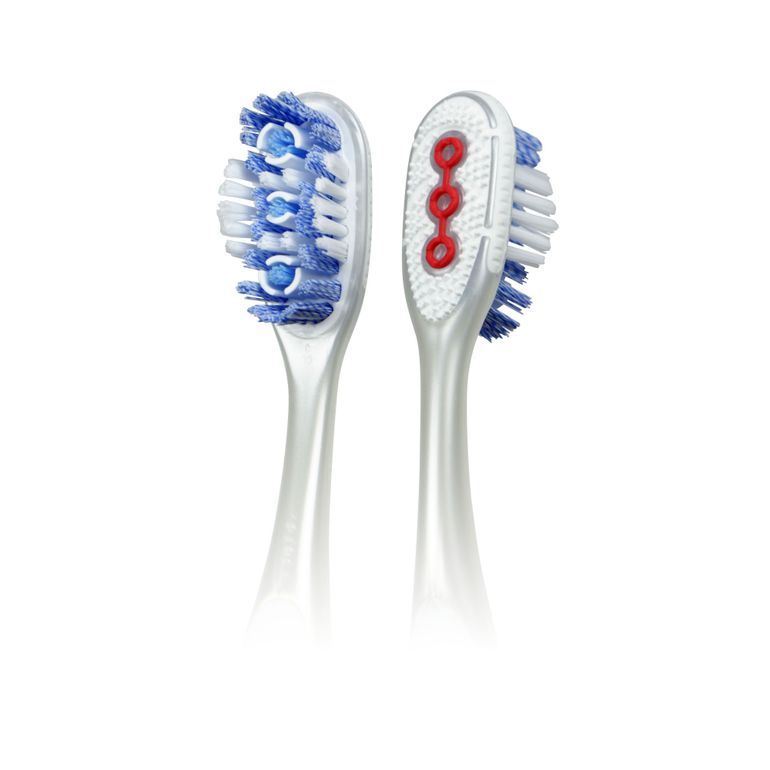
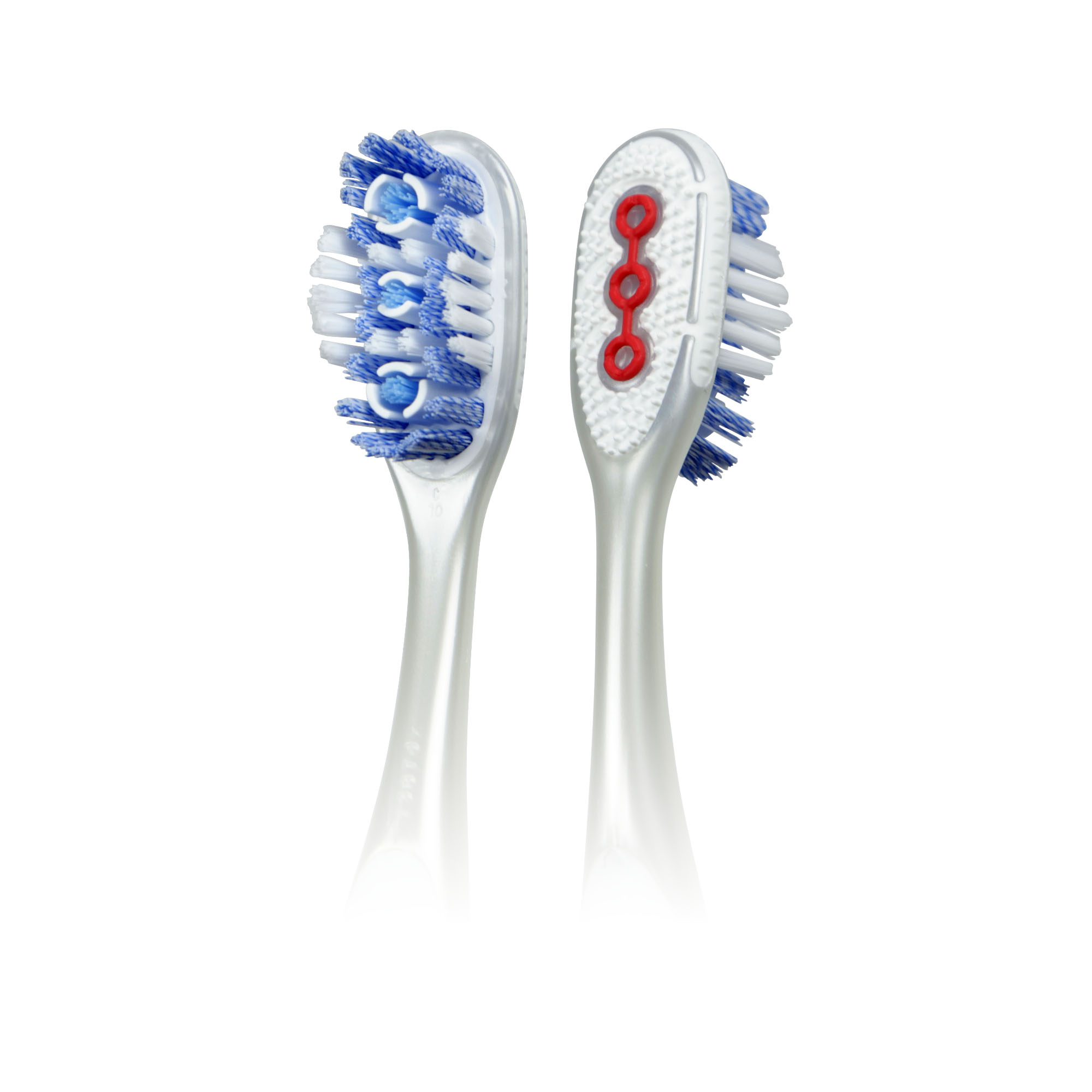
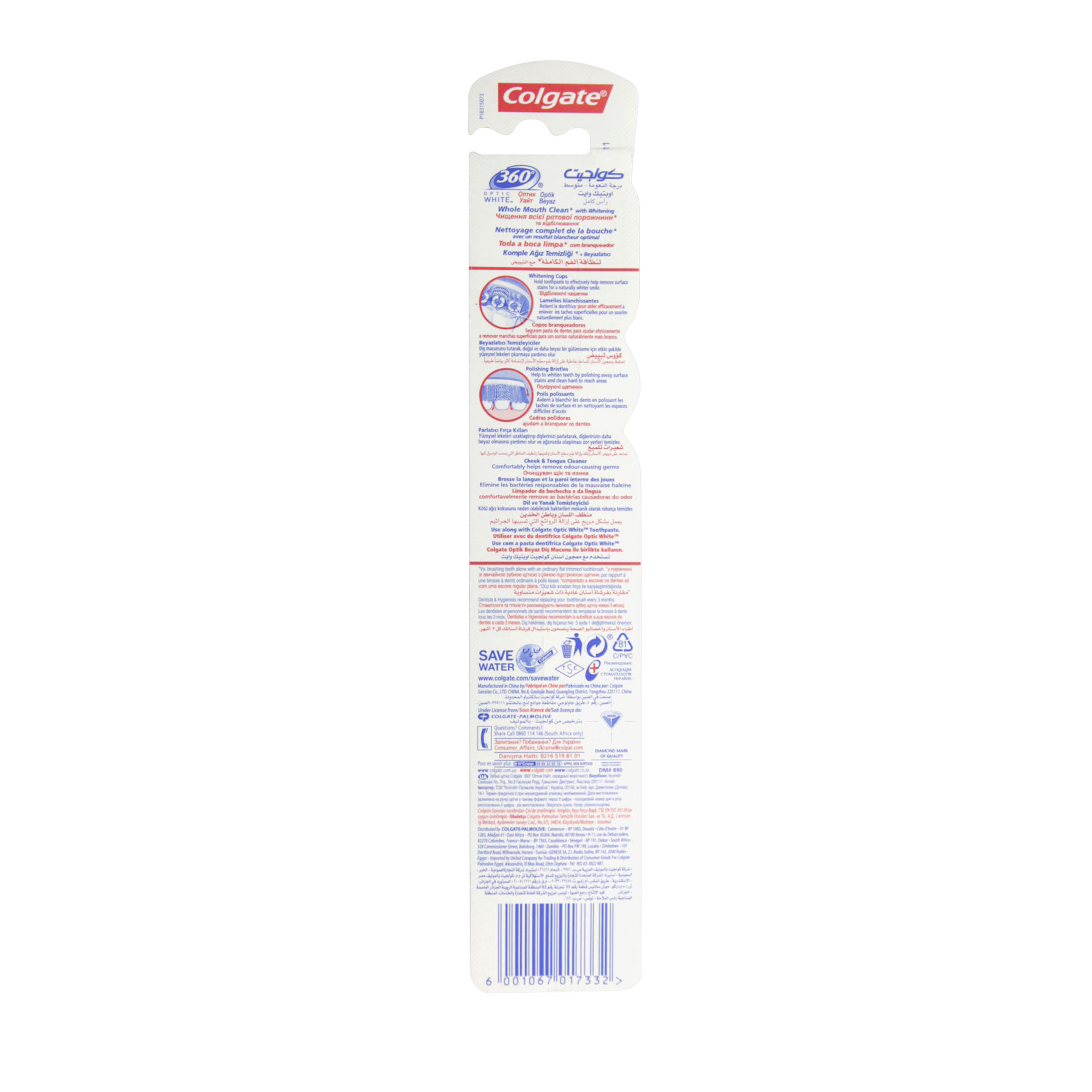
Spiral Polishing Bristles: Engineered with angled, textured filaments designed to access interdental spaces and enamel surface irregularities. The spiral configuration enhances mechanical friction against tooth surfaces, aiding in the loosening and removal of sticky bacterial plaque (biofilm).
Tooth-Fitting Polishing Cups: Soft elastomeric cups positioned within the center of the brush head hold dentifrice (toothpaste) against the enamel during brushing. This design prolongs contact between abrasive/whitening agents in toothpaste and extrinsic enamel stains caused by dietary chromogens (e.g., coffee, tea, tobacco).
Dual-Action Cheek and Tongue Cleaner: Located on the reverse side of the brush head, this textured elastomeric pad features raised ridges that mechanically scrape and cleanse the dorsal surface of the tongue and inner cheek surfaces. This reduces microbial load, particularly anaerobic bacteria responsible for volatile sulfur compound (VSC) production and malodor.
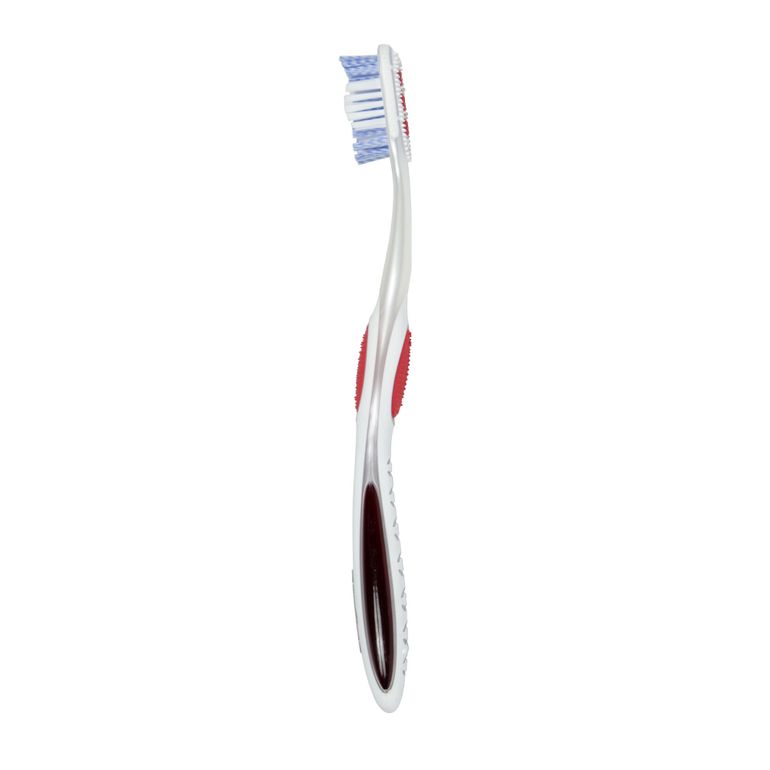
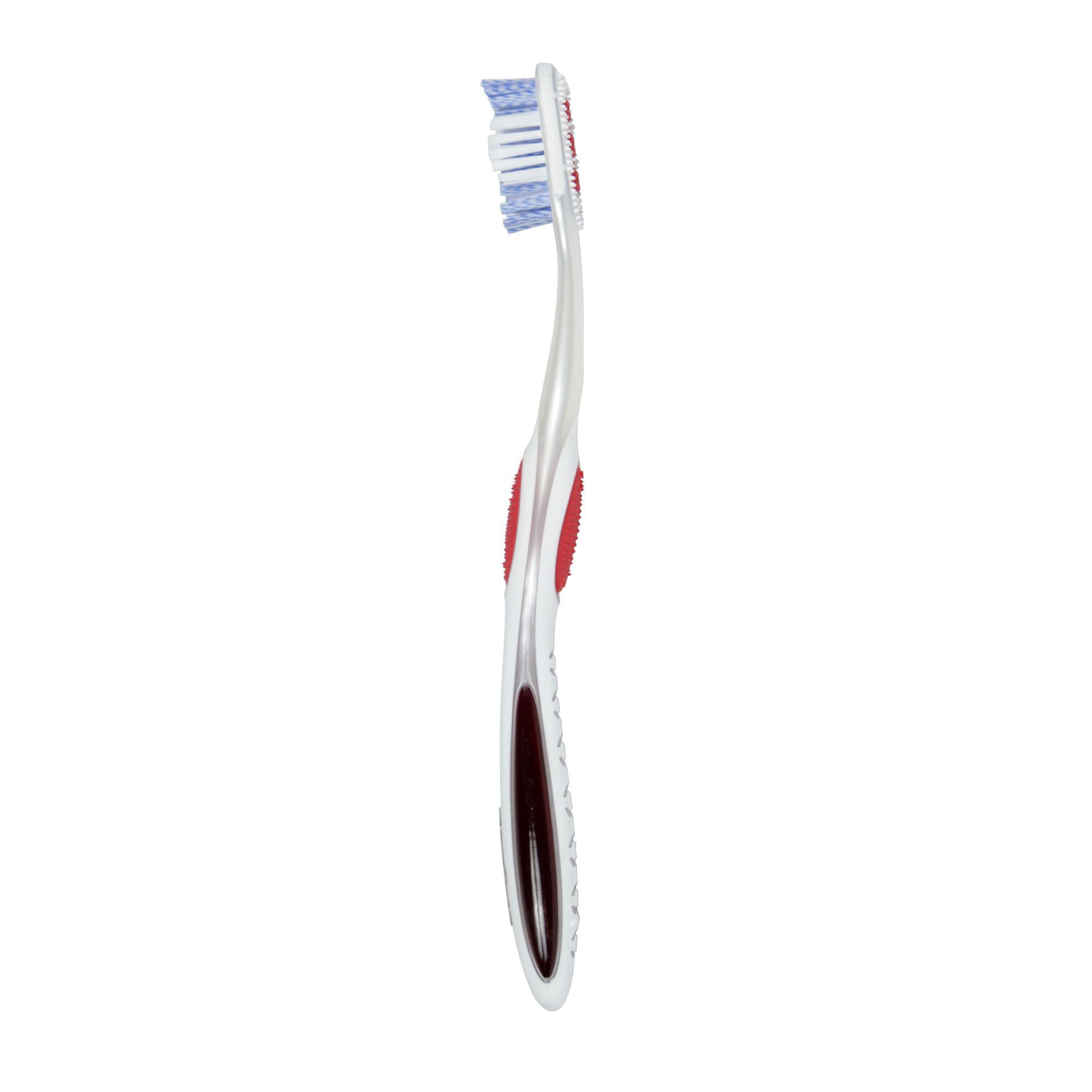
Ergonomic Handle with Thumb Grip: Designed to provide controlled force distribution and non-slip handling, allowing for proper angling (such as the modified Bass technique) while reducing excessive pressure application on gingival tissues.
Key Oral Health Benefits & Clinical Value
Mechanical Plaque Removal: Assists in disrupting dental biofilm along the gingival margin and interproximal areas, reducing the risk of gingival inflammation (gingivitis) and dental caries.
Extrinsic Stain Reduction: Facilitates the mechanical removal of surface enamel discoloration through the combined action of polishing cups and spiral bristles, contributing to the maintenance of natural tooth shade.
Comprehensive Oral Cavity Hygiene: Targets non-dental oral tissues to diminish overall intraoral bacterial reservoirs, supporting microbial balance and fresher breath.
Periodontal Tissue Protection: Soft-to-medium rounded bristle ends minimize mechanical trauma to soft mucosal tissue and gingival margins when operated with recommended brushing pressure.
Instructions for Use & Hygiene Precautions
Recommended Brushing Technique
Frequency: Brush thoroughly at least twice daily, ideally following meals, or as directed by a dental professional.
Method: Position the bristles at a 45-degree angle toward the gum line. Apply gentle, circular or short back-and-forth strokes, ensuring coverage of outer, inner, and chewing surfaces of all teeth.
Soft Tissue Cleansing: Reverse the brush head to clean the tongue by gently sweeping from the posterior dorsum toward the tip, followed by light cleansing of the inner cheek lining.
Duration: Maintain brushing for a minimum of two minutes per session to ensure adequate mechanical coverage across all quadrant surfaces.
Clinical Precautions & Replacement Protocols
Toothbrush Replacement: Dental professionals recommend replacing manual toothbrushes every 3 months, or sooner if bristles become frayed, worn, or splayed. Frayed bristles reduce cleaning efficiency and may cause mild gingival abrasion.
Excessive Force Avoidance: Avoid applying excessive downward pressure while brushing. Heavy force can lead to cervical enamel wear (abrasion) and gingival recession.
Post-Illness Care: Consider replacing the toothbrush following recovery from upper respiratory or systemic infections to avoid potential bacterial reintroduction.
Storage Conditions: Thoroughly rinse the brush head under running water after each use to remove remaining toothpaste and debris. Store upright in a well-ventilated area to dry completely between uses; avoid enclosed containers that promote bacterial proliferation in moist environments.





 Personal Care