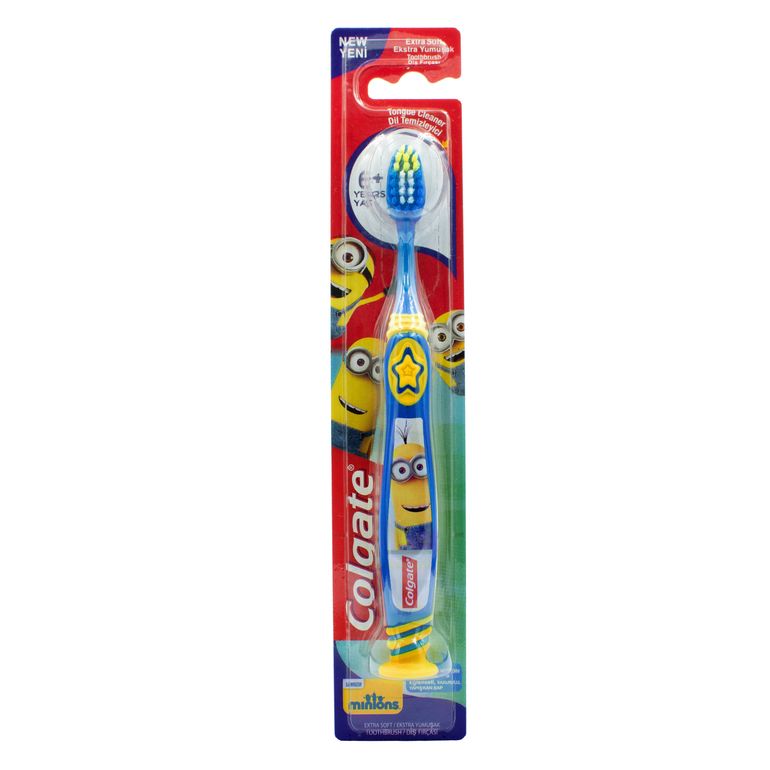
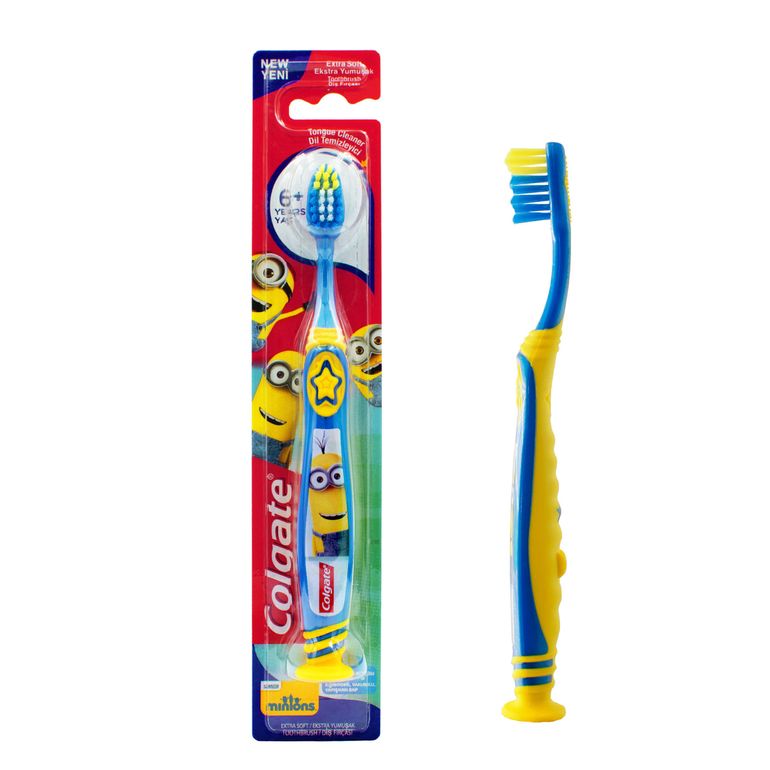
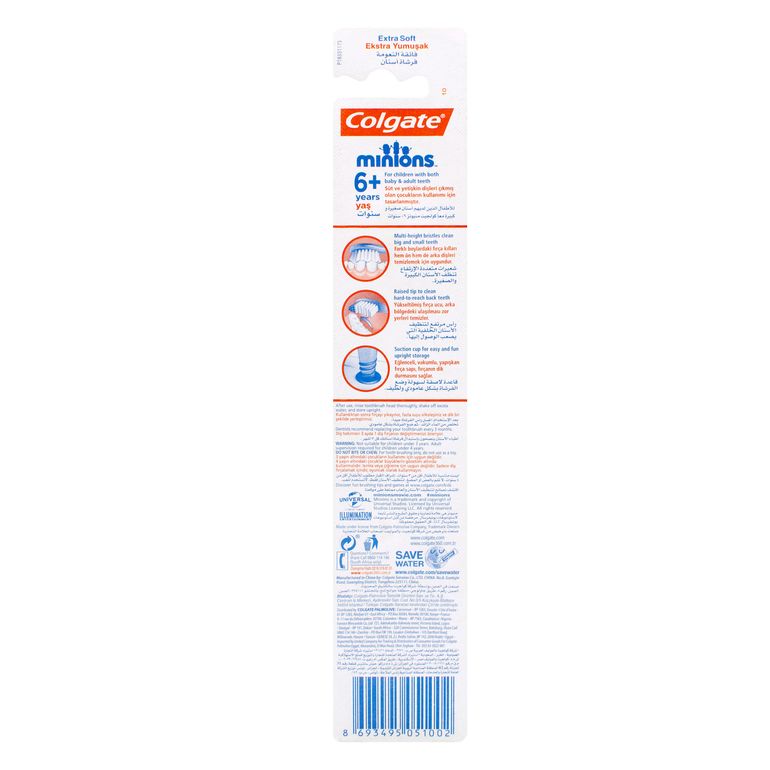
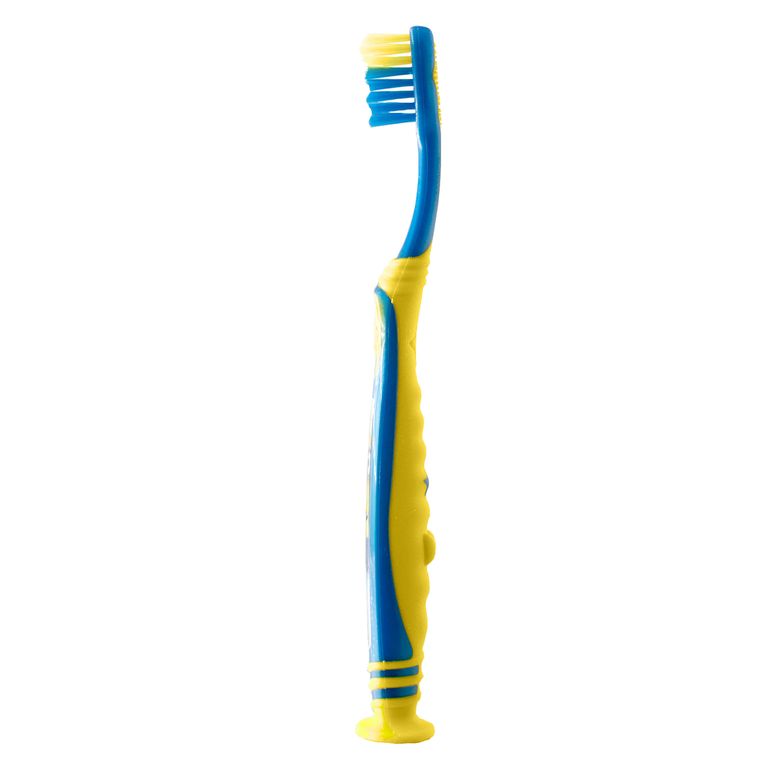
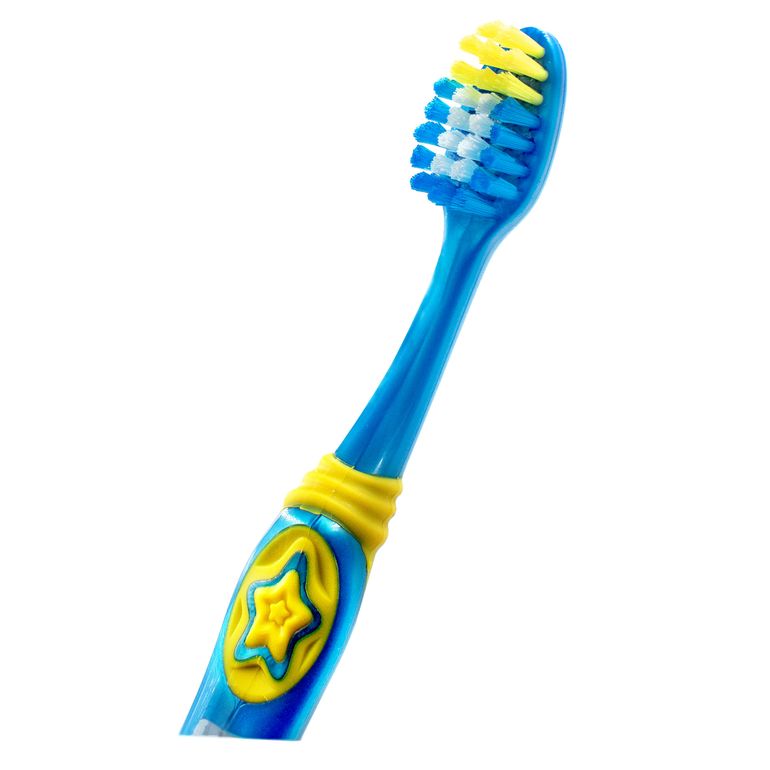
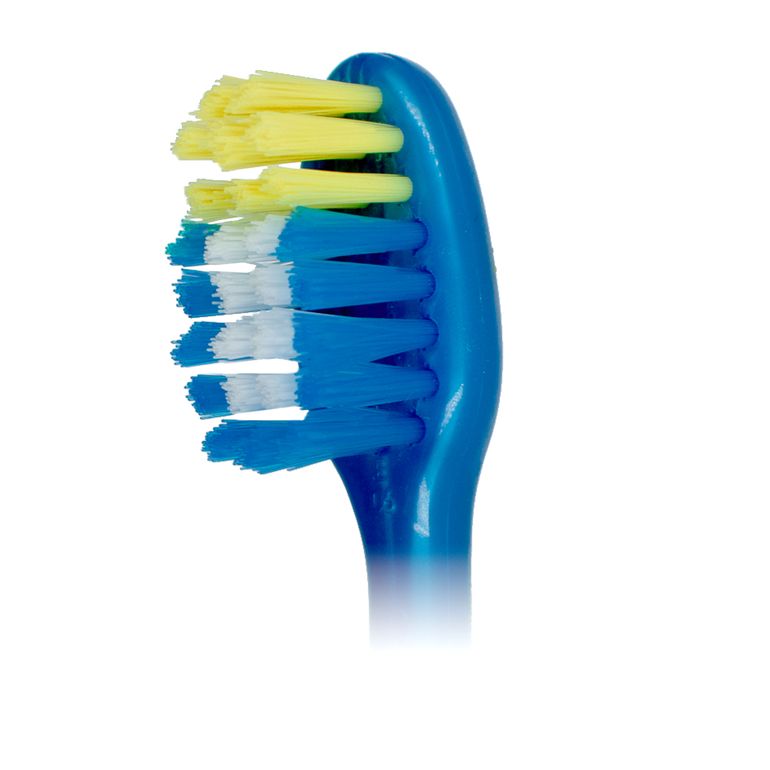
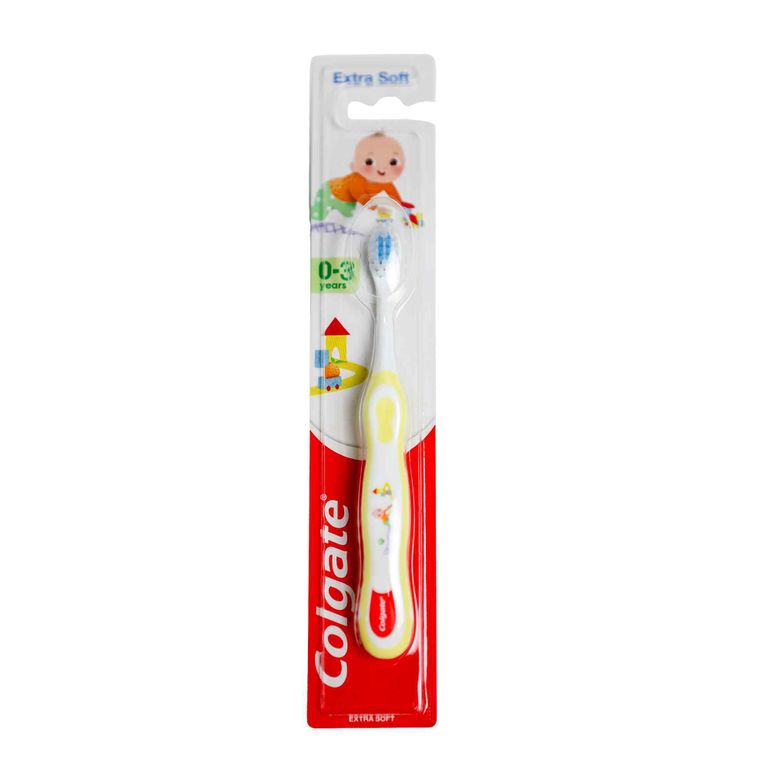
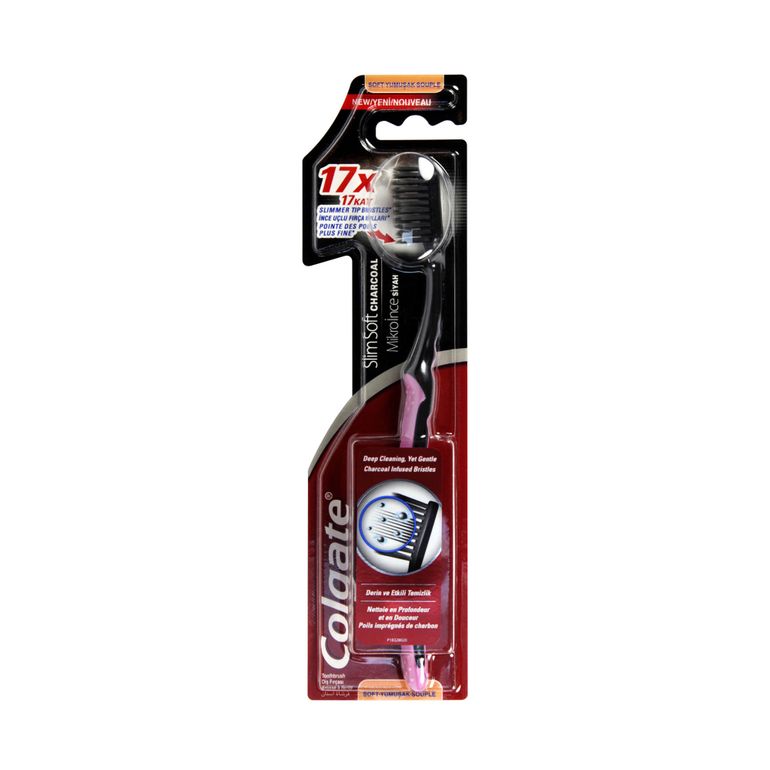
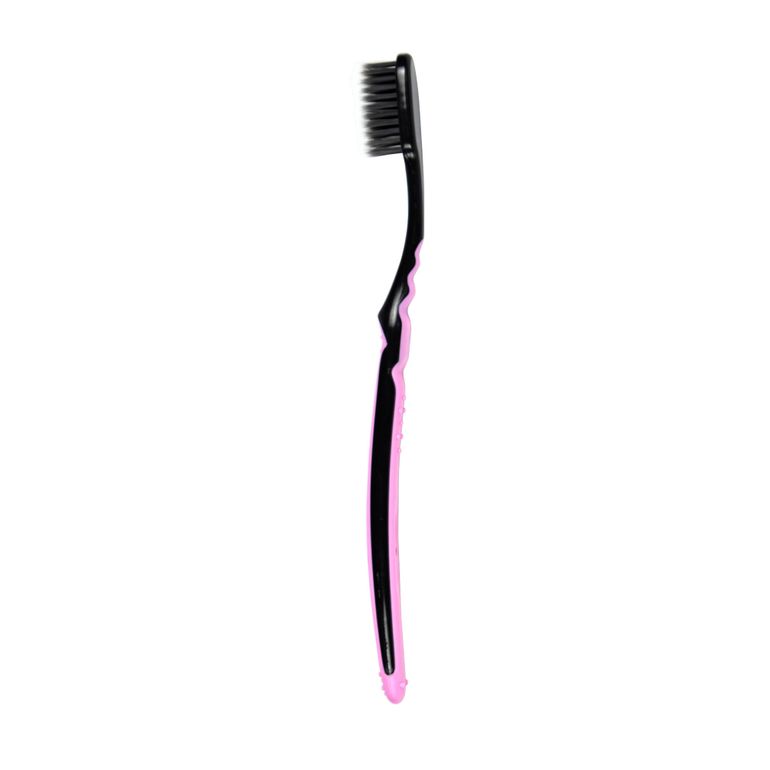
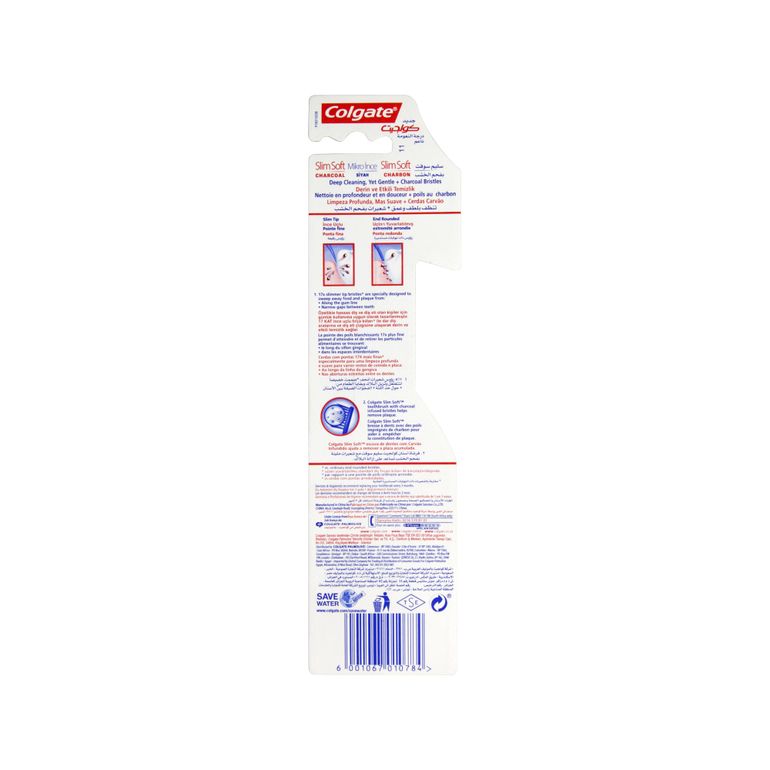
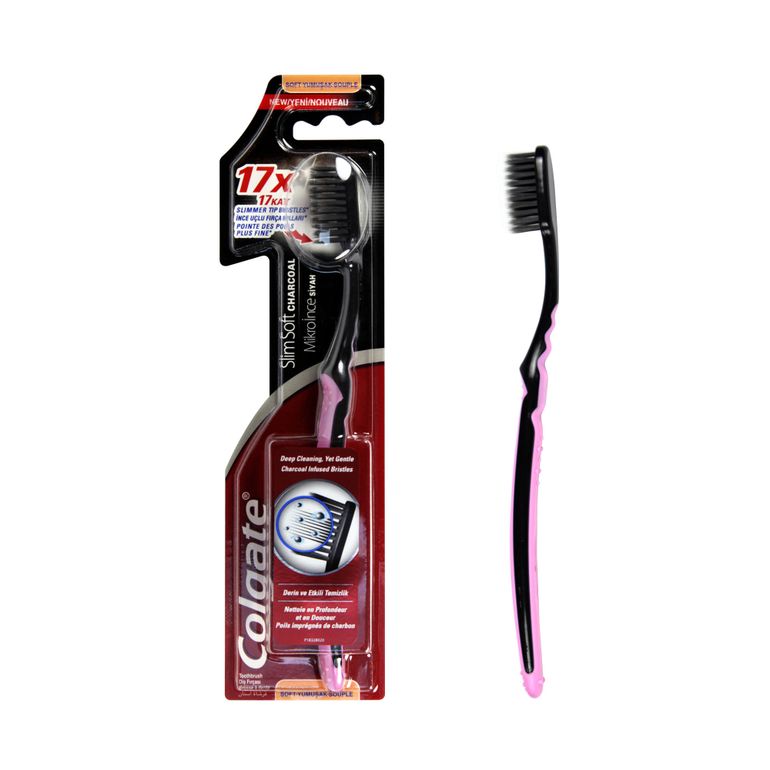
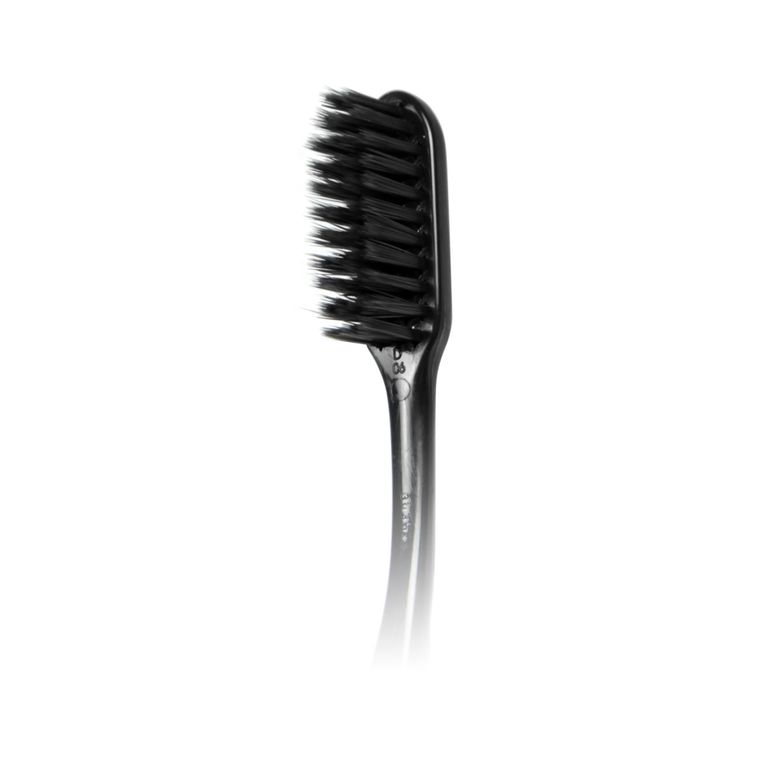
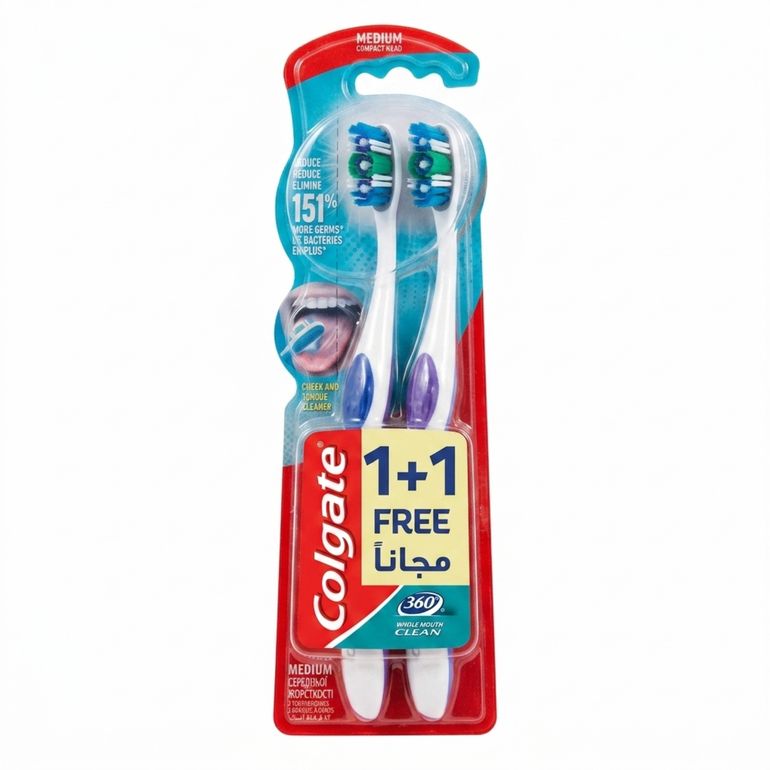
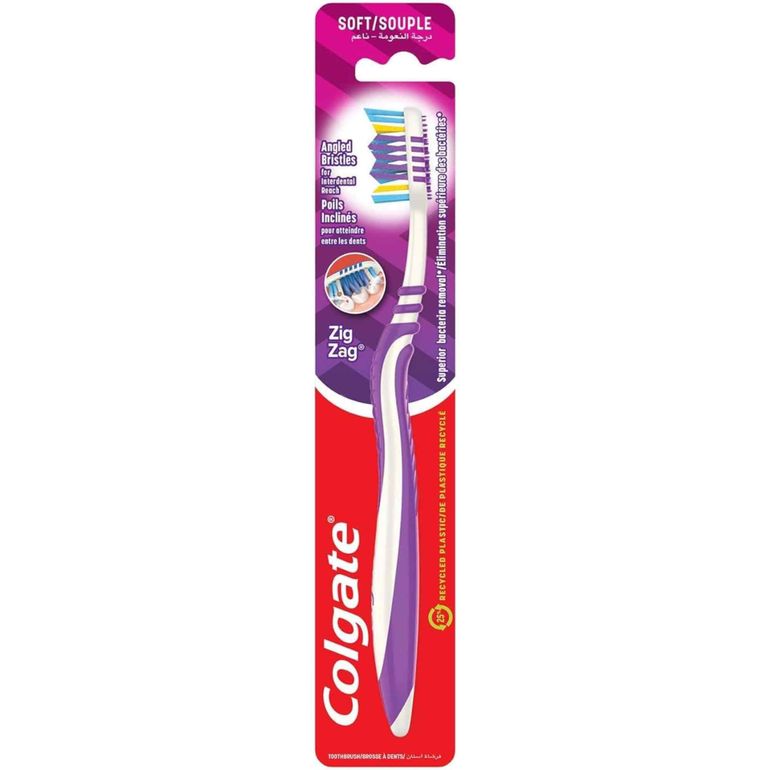
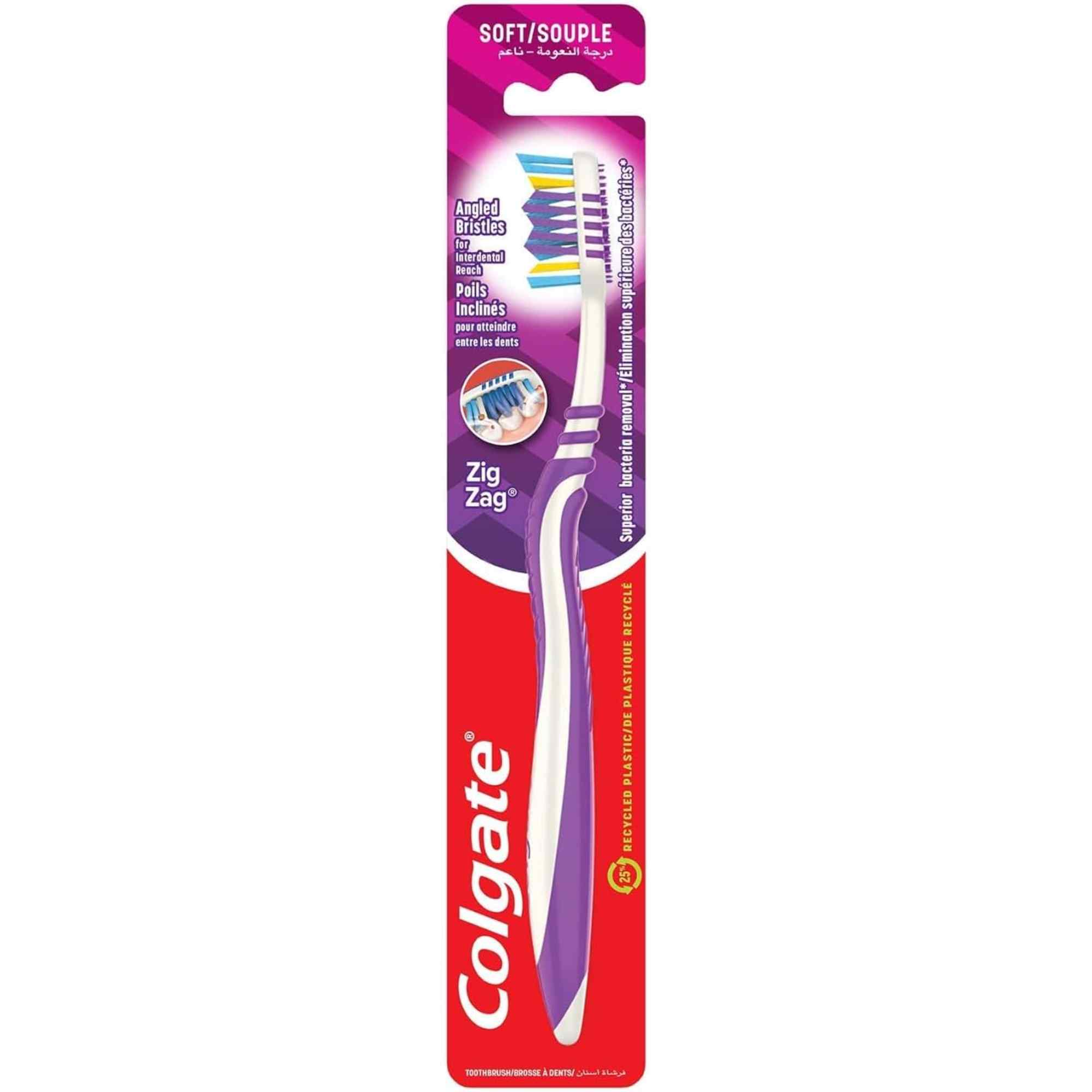
Colgate Zigzag Soft Toothbrush is a manual oral hygiene instrument designed for comprehensive interdental cleaning, plaque removal, and soft-tissue care. Engineered with multi-directional, soft end-rounded bristles, this toothbrush addresses the physiological challenges of cleaning hard-to-reach interproximal surfaces and the gingival margin without inducing mechanical trauma to tooth enamel or periodontal tissue.
Regular mechanical plaque control is the primary clinical preventive measure against dental caries, gingivitis, and periodontal disease. The Colgate Zigzag soft toothbrush combines an ergonomic handle, specialized bristle geometries, and an integrated soft-tissue cleaner on the reverse side of the brush head to provide full-mouth oral hygiene support.
Key Clinical Benefits & Oral Health Outcomes
Interproximal Plaque Disruption: The specialized bristle arrangement penetrates deep into interdental spaces where standard flat-trim bristles often fail to make adequate contact, helping reduce microbial biofilm buildup.
Gingival Protection: Soft, end-rounded filament construction protects delicate marginal gingiva from mechanical abrasion, making it appropriate for individuals prone to gingival sensitivity or recession.
Posterior Reach: A raised cleaning tip improves access to the distal surfaces of the posterior molars, areas particularly susceptible to food impaction and carious lesions.
Halitosis Management: Integrated soft-tissue scraper on the back of the brush head allows for gentle debridement of the dorsum of the tongue, reducing volatile sulfur compound (VSC)-producing bacteria responsible for oral malodor.
Materials, Design Architecture & Mechanism of Action
The clinical efficacy of the Colgate Zigzag toothbrush relies on specific biomechanical design features:
V-Shaped Cross-Bristle Configuration: The crisscross array of bristles is angled to target plaque at varying depths. As the brush moves across the dental arch, the opposing angles flex into interdental pockets to sweep away trapped food particles and bacterial plaque.
Soft Filament Grade: Filaments are crafted from soft, flexible synthetic polymers with polished round ends. This design minimizes micro-trauma to the enamel surface and prevents cervical abrasion along the cementoenamel junction (CEJ).
Raised Cleaning Tip: Extended tip bristles provide focused mechanical force on hard-to-reach posterior teeth and lingual surfaces without requiring excessive force or awkward wrist angling.
Integrated Soft Tongue Cleaner: A textured rubberized pad on the back of the brush head mechanically dislodges bacteria, debris, and dead cells residing on the papillae of the tongue.
Ergonomic Flexible Handle: Designed with non-slip thumb grips, the handle facilitates proper control and grip stability, allowing users to maintain the recommended 45-degree angle relative to the gumline without applying excessive hand pressure.
Usage Instructions & Dental Hygiene Protocol
Note: Proper toothbrushing technique is essential for optimal oral health outcomes and to prevent tissue injury.
Brushing Technique (Modified Bass Technique): Hold the toothbrush at a 45-degree angle toward the gumline. Apply gentle pressure and move the brush head in short, circular or gentle sweeping motions away from the gums.
Duration & Frequency: Brush thoroughly for two minutes, twice daily (morning and night), covering all outer, inner, and chewing surfaces of the upper and lower arches.
Tongue Cleaning: Extend the tongue and place the soft scraper pad on the posterior region of the tongue surface. Gently drag the cleaner forward toward the tip. Rinse the brush head with clean water afterward.
Post-Use Maintenance: Thoroughly rinse the toothbrush head under running water after each use to remove remaining toothpaste and debris. Store in an upright position and allow to air dry.
Safety Precautions & Replacement Guidelines
Replacement Interval: Dental professionals recommend replacing your toothbrush every 3 months, or sooner if the bristles become visibly frayed, bent, or worn. Frayed bristles lose mechanical effectiveness and may irritate gingival tissue.
Post-Illness Replacement: Replace the toothbrush following upper respiratory infections, viral illnesses, or oral infections to prevent bacterial re-contamination.
Control Brushing Force: Avoid applying excessive pressure during brushing. Over-aggressive manual brushing can lead to irreversible gingival recession and wear of the root dentin.
Children's Supervision: While soft bristles are gentle, children under 6 years of age should be supervised by an adult during brushing to ensure correct technique and safety.





 Personal Care