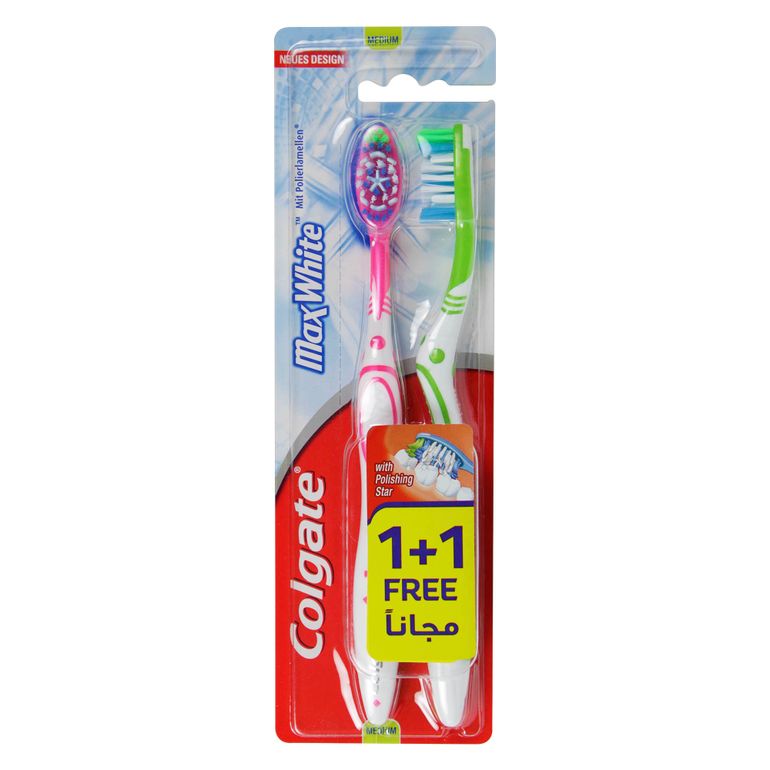
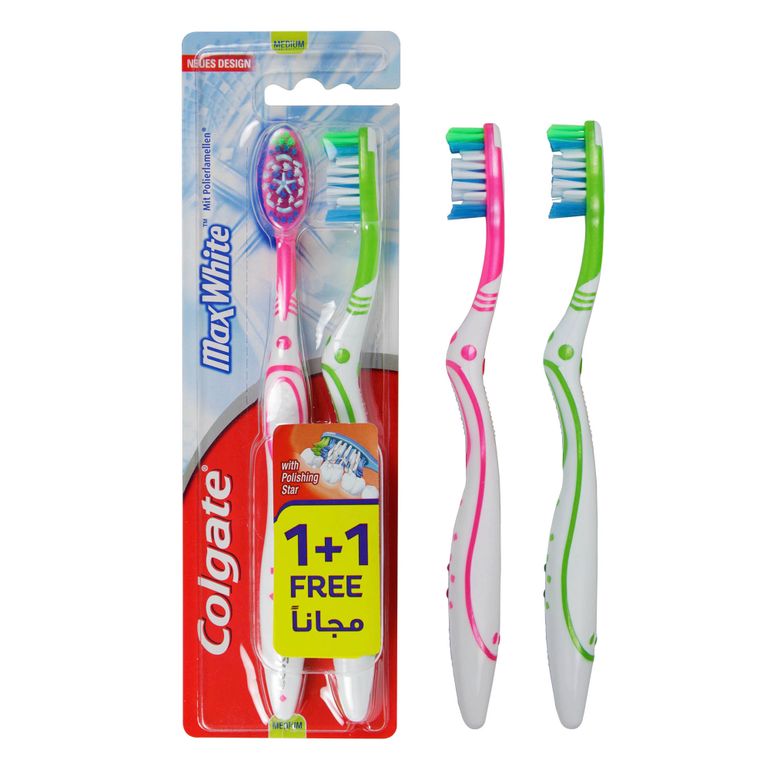
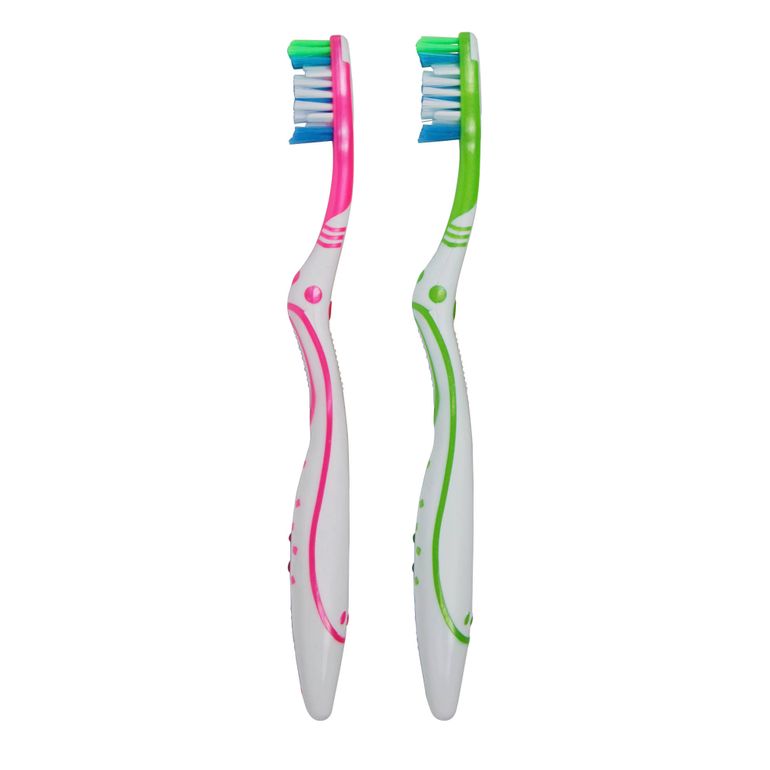
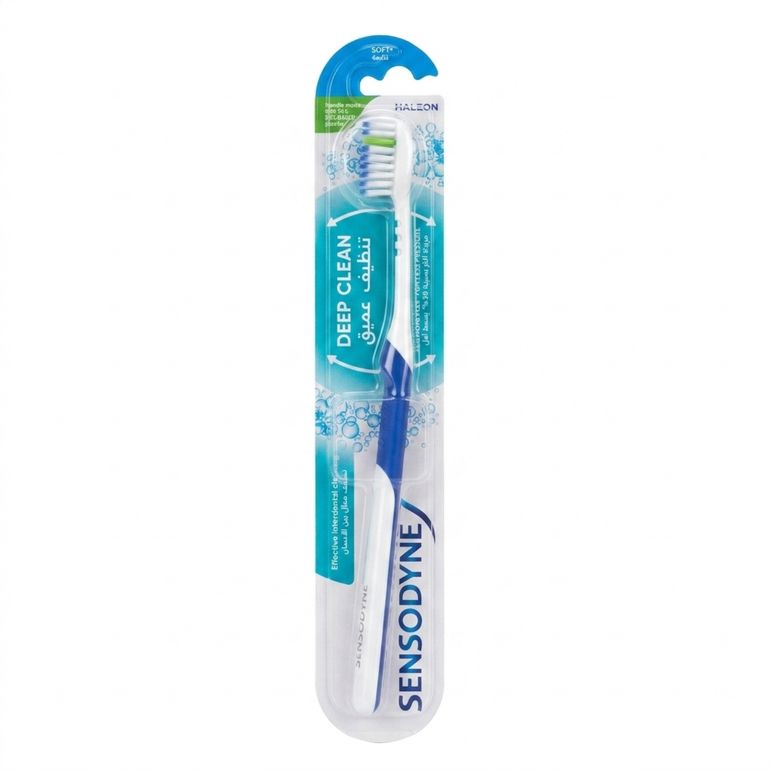
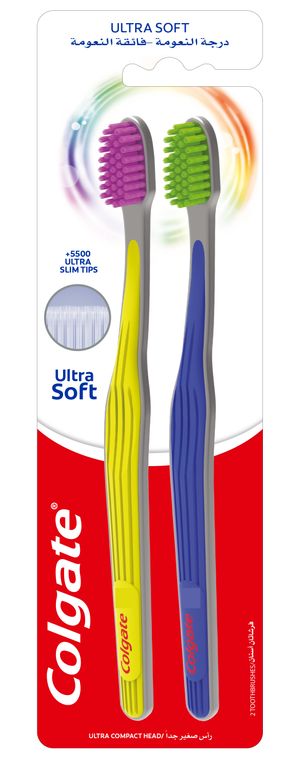
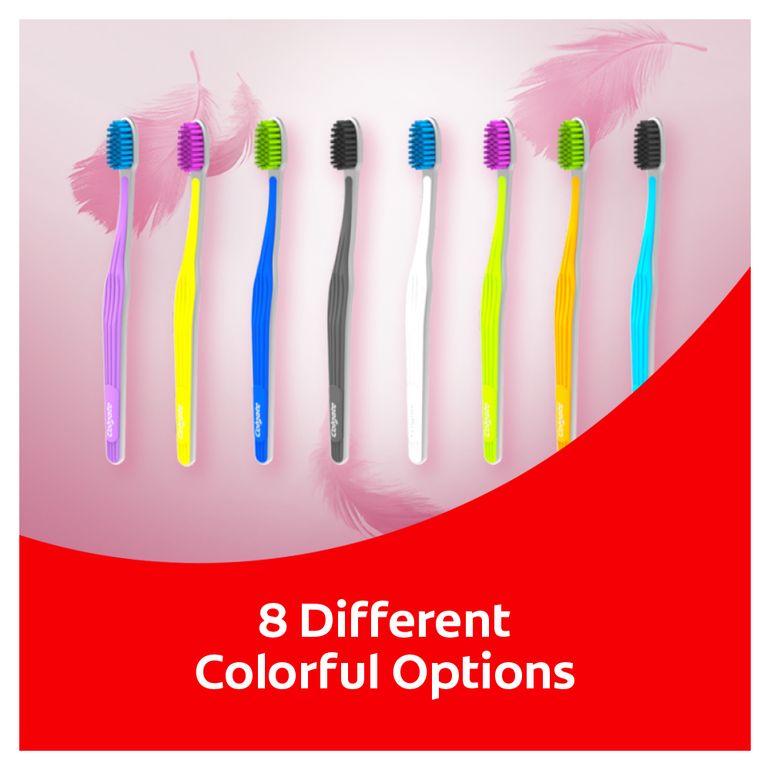
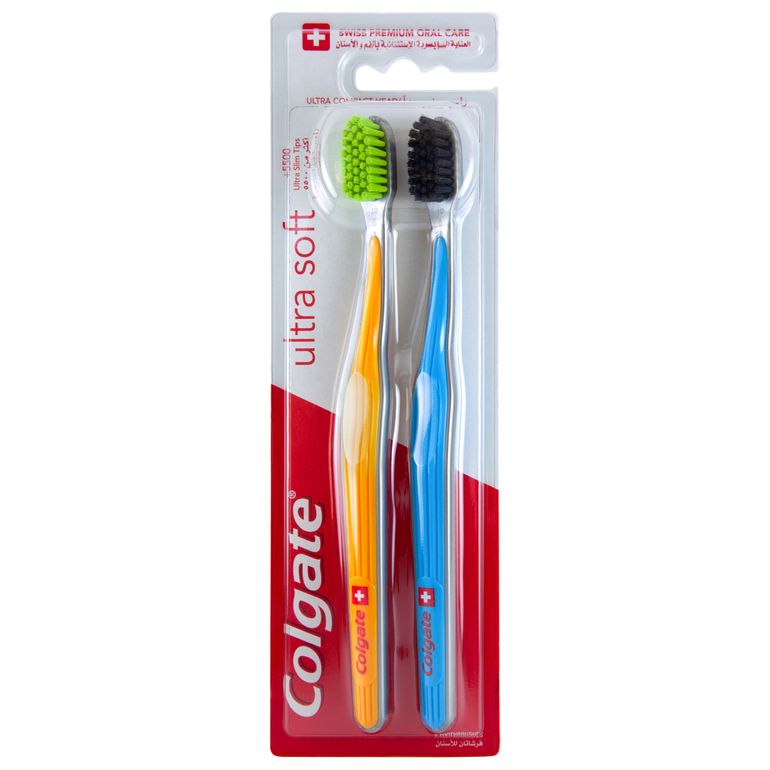
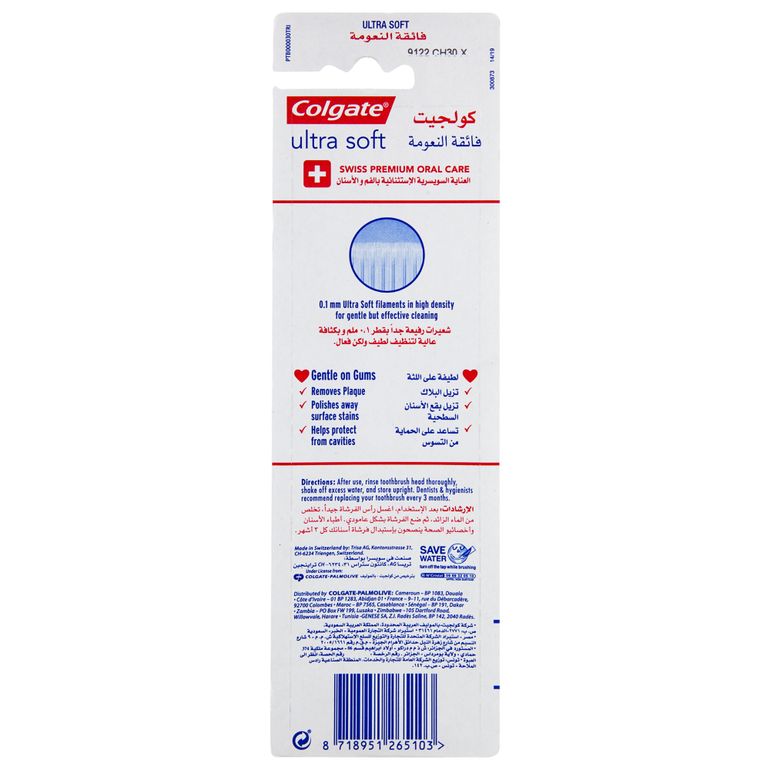
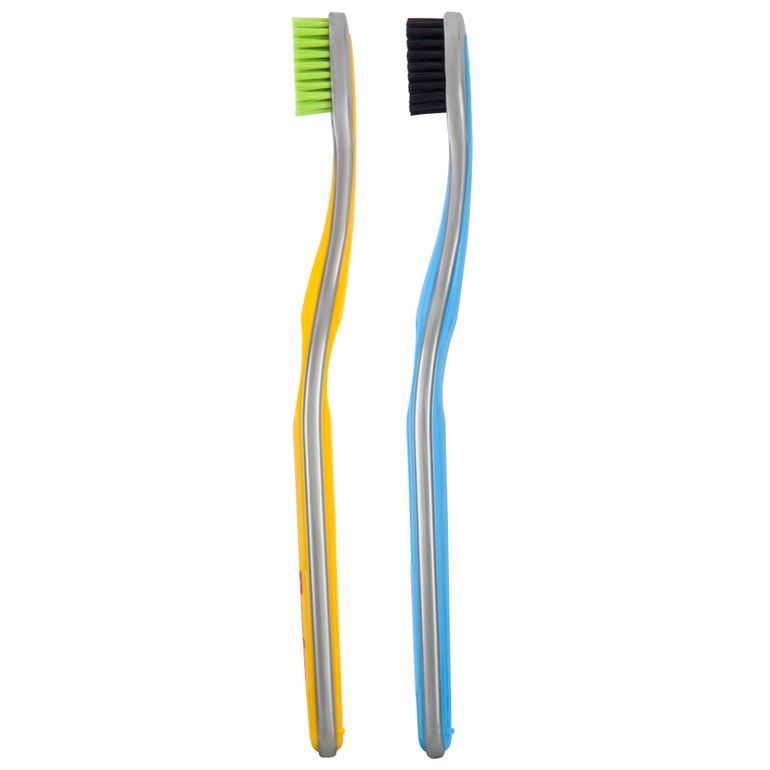
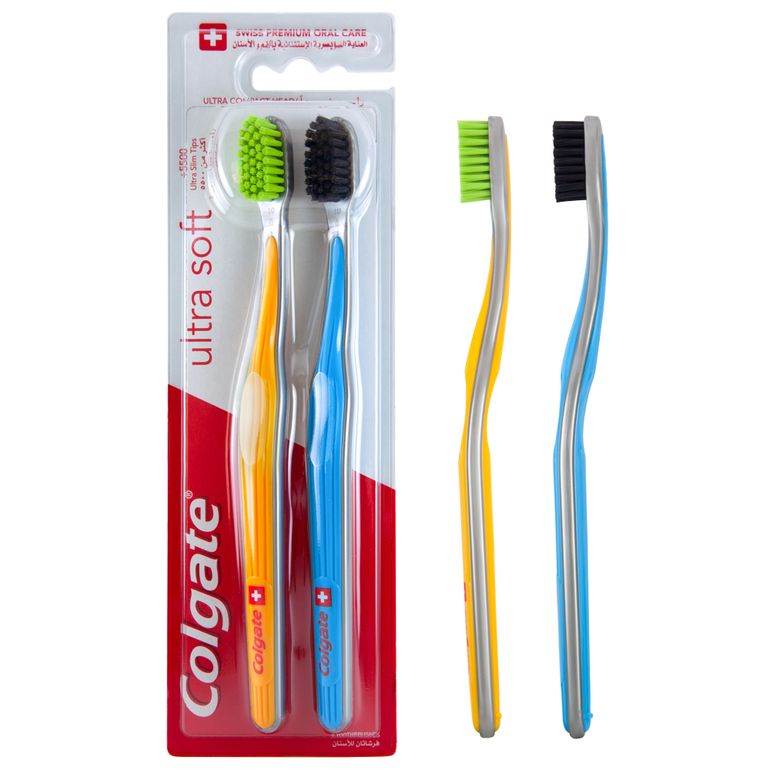
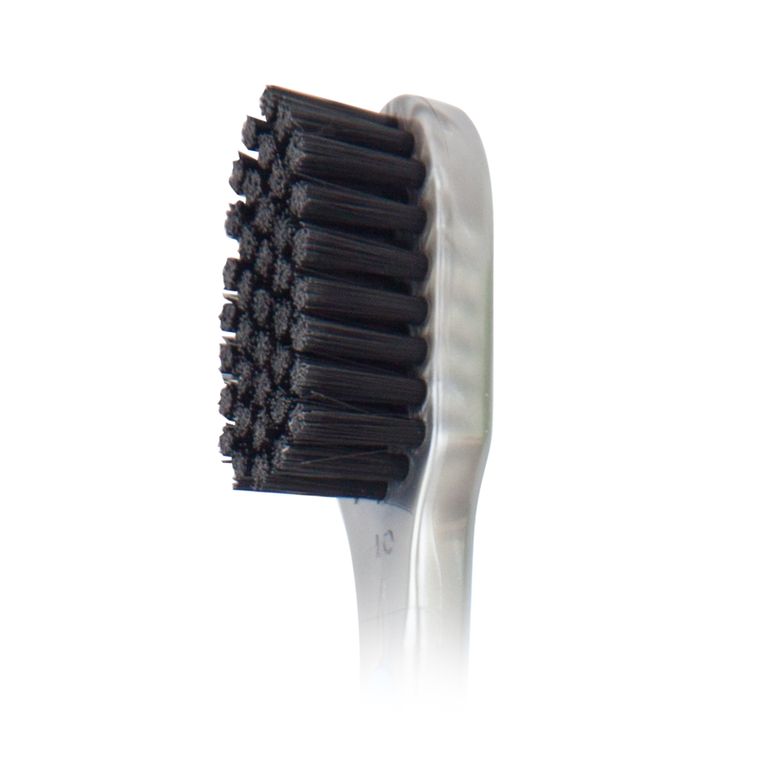
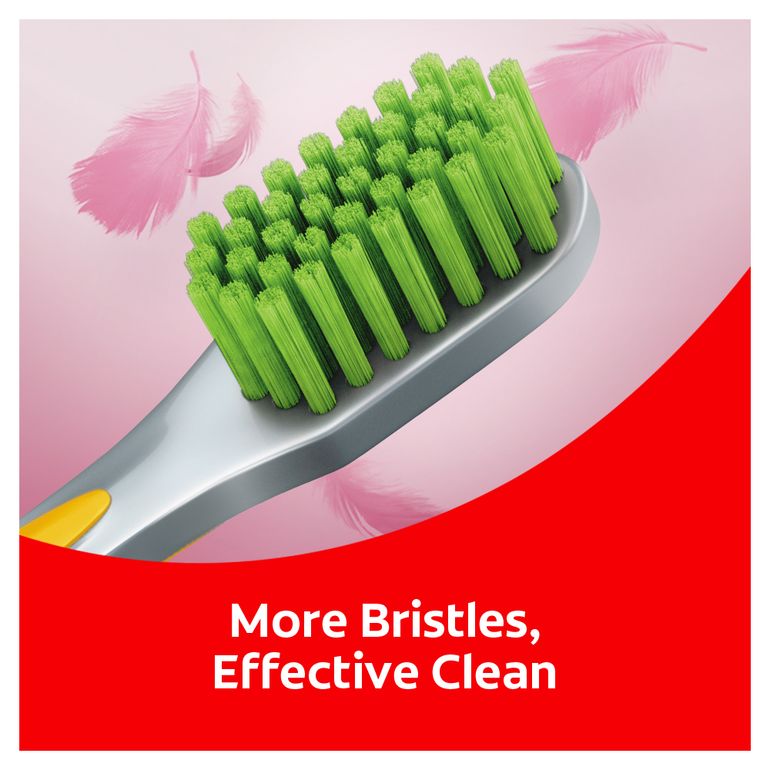
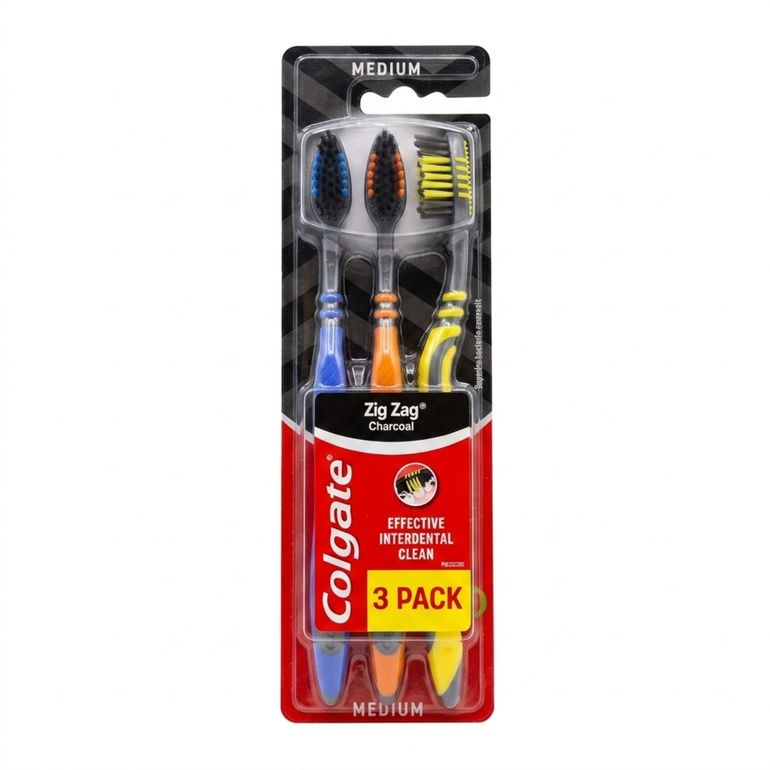
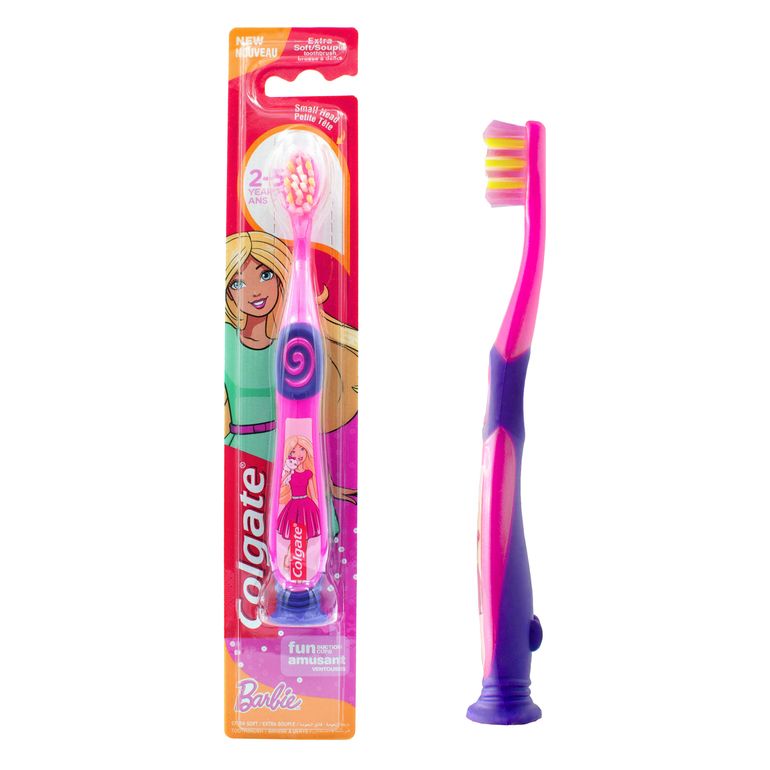
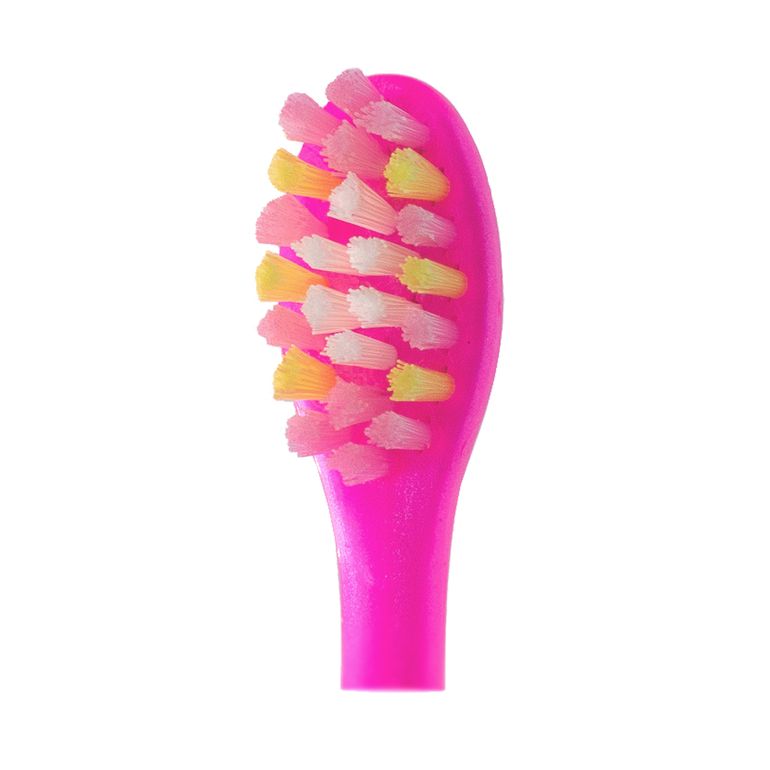
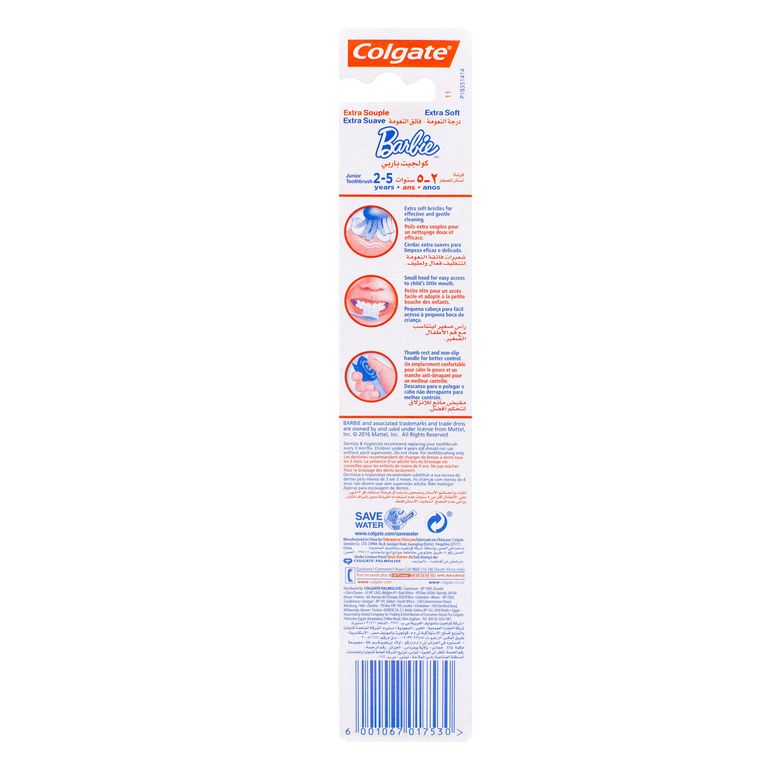
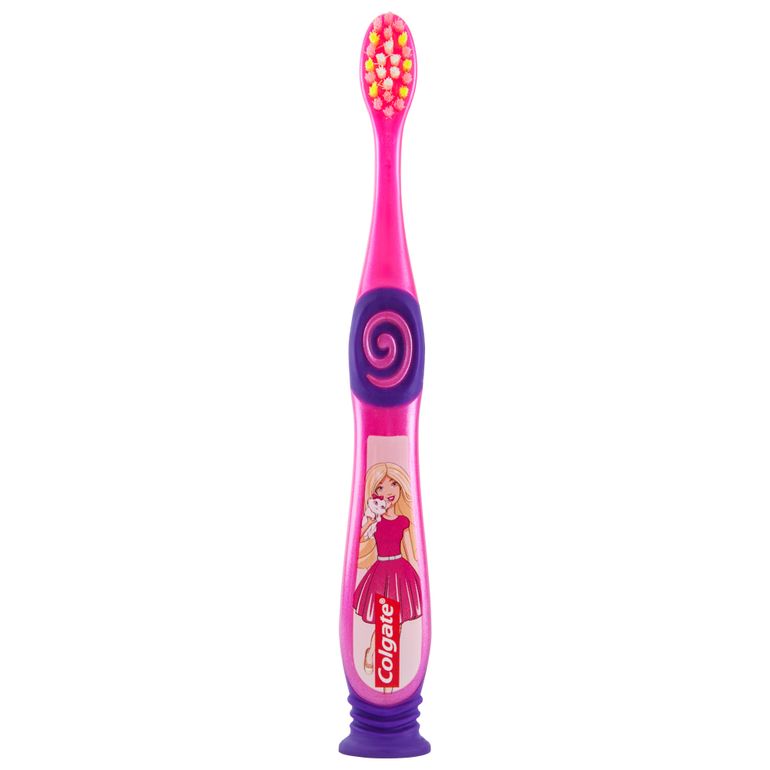
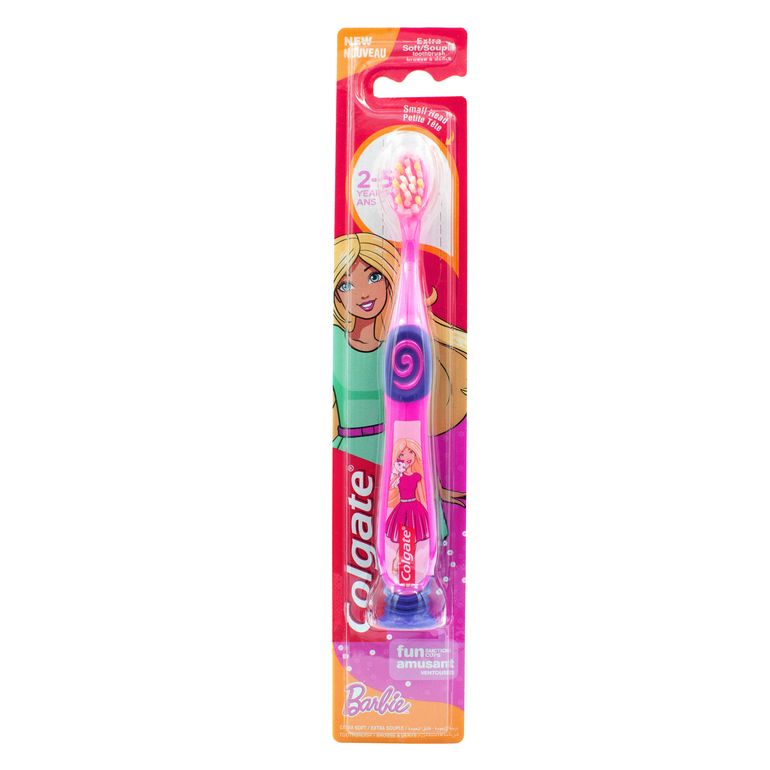
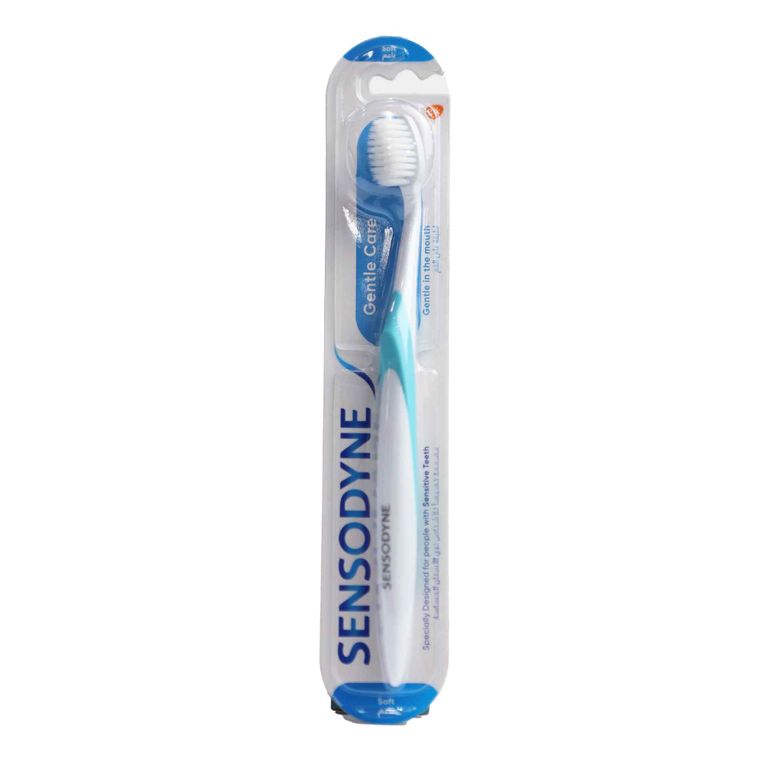
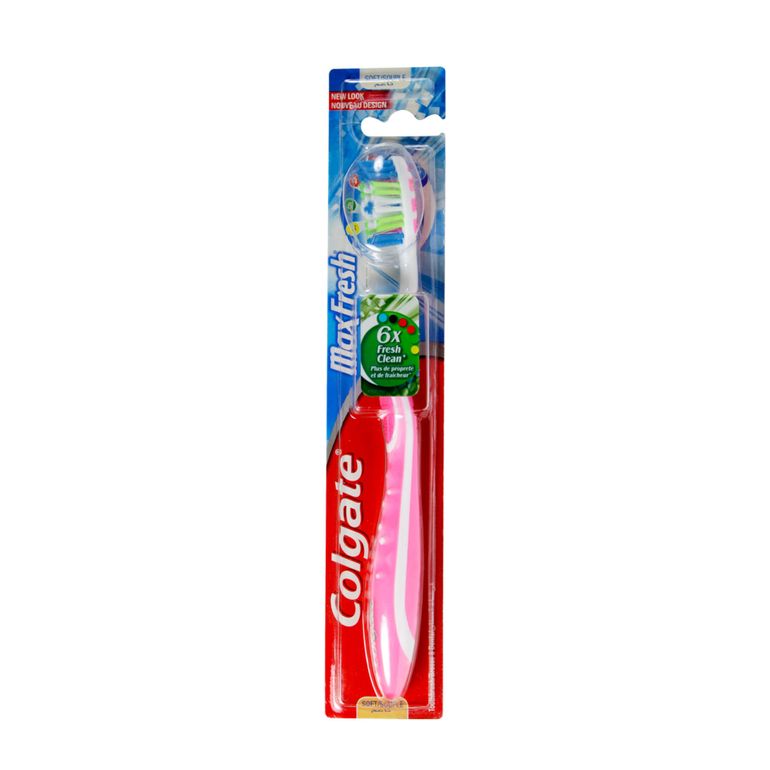
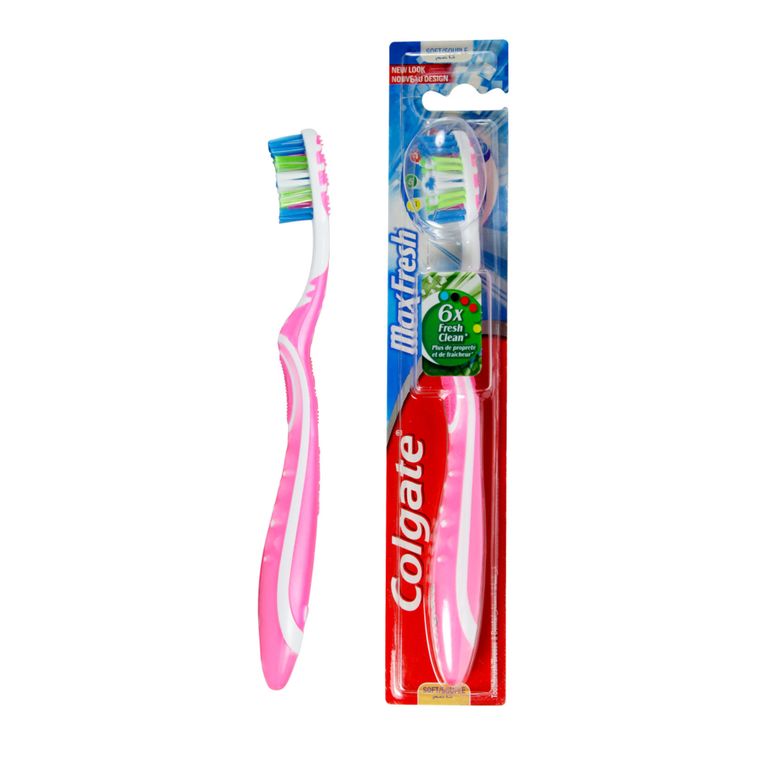
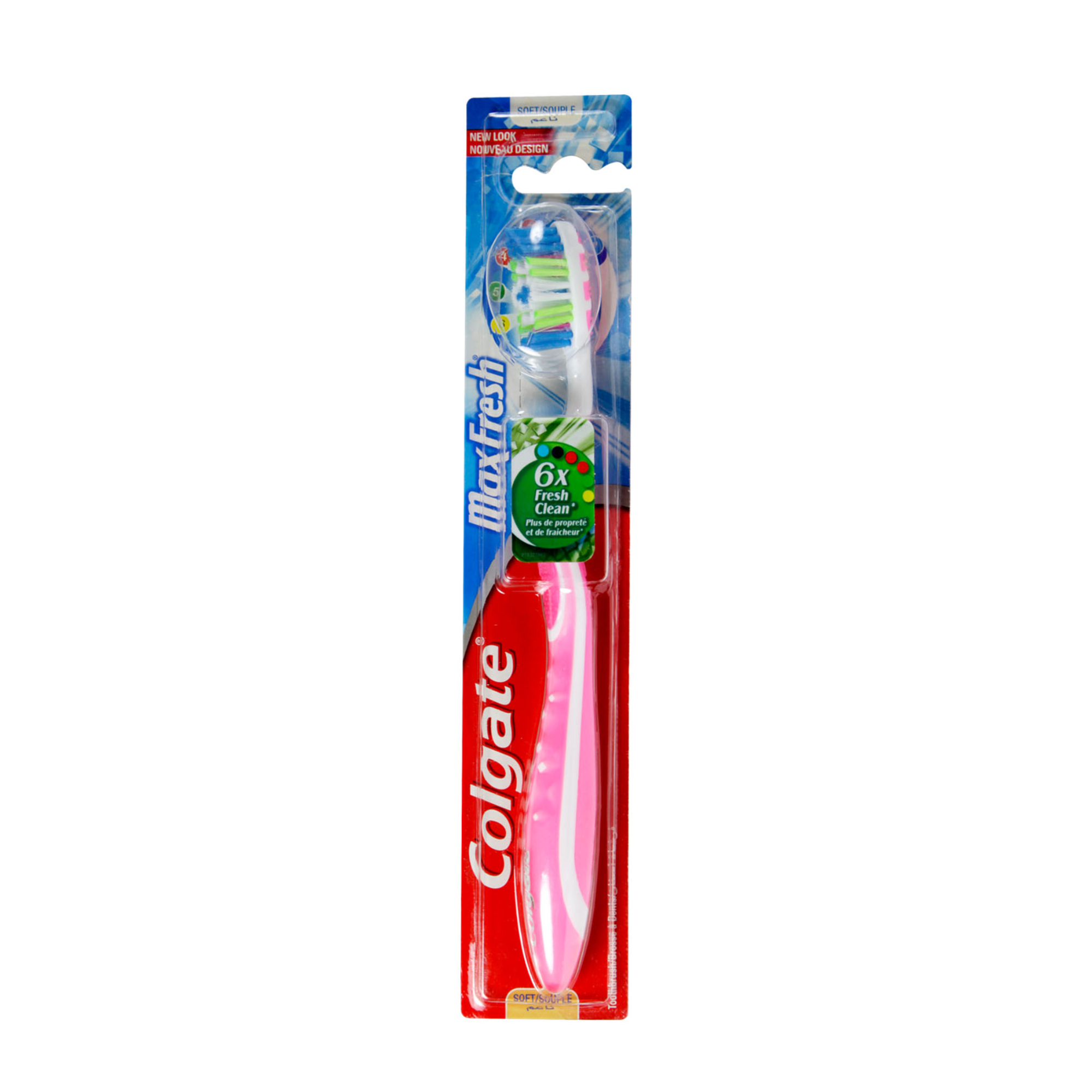
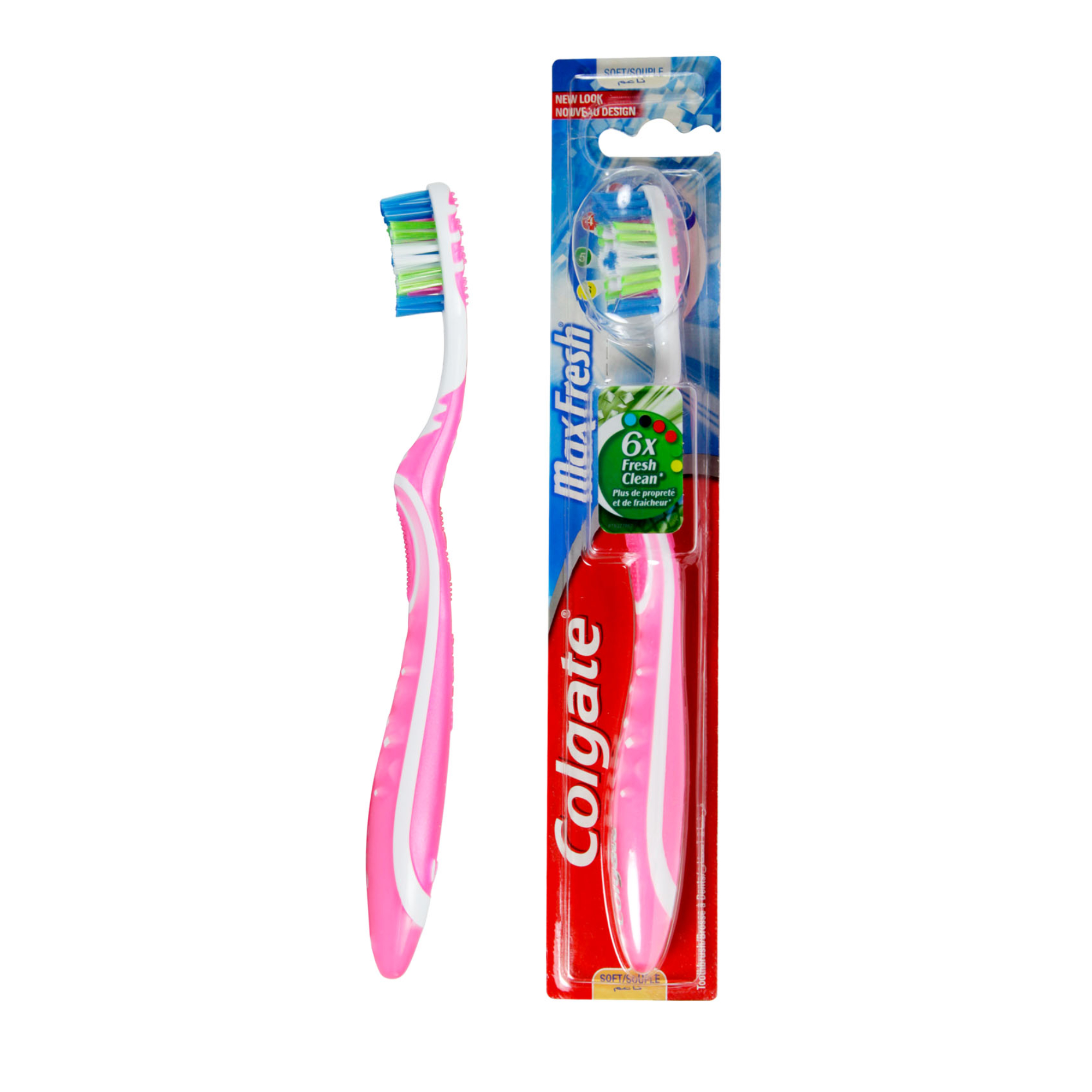
Colgate Max Fresh Soft Toothbrush is a non-invasive oral hygiene medical device designed for mechanical plaque removal, gentle enamel polishing, and comprehensive cleaning of the oral cavity. Engineered with multi-level soft bristles and a dedicated soft-tissue cleaner, this instrument targets dental biofilm (plaque) accumulation along the gingival margin while assisting in the physical removal of superficial extrinsic enamel stains.
Mechanical plaque control remains the primary preventive measure against dental caries, gingivitis, and periodontal disease. The Colgate Max Fresh Soft Toothbrush integrates multi-surface cleaning elements to mitigate bacterial colonization on both hard dental structures and soft oral tissues, including the dorsal surface of the tongue and inner cheek mucosa.
Key Medical Benefits & Clinical Value
Targeted Mechanical Biofilm Disruption: Soft, multi-angled bristles effectively dislodge bacterial plaque from interdental spaces and smooth tooth surfaces without causing cervical abrasion or mucosal trauma.
Reduction of Extrinsic Enamel Staining: The specialized polishing bristle design aids in the mechanical removal of surface stains derived from dietary chromogens (such as coffee, tea, and food pigments), restoring natural enamel luster.
Gingival Health Preservation: Soft bristle filaments comply with dental research standards, preventing recession of the marginal gingiva and minimizing micro-abrasions on tender gum tissue compared to medium or hard bristles.
Halitosis Prevention via Soft-Tissue Debridement: Integrated tongue and mucosal cleaners mechanically clear volatile sulfur compound (VSC)-producing anaerobic bacteria, which primarily colonize the papillae of the dorsal tongue.
Design Specifications & Mechanism of Action
Structural Components & Ergonomics
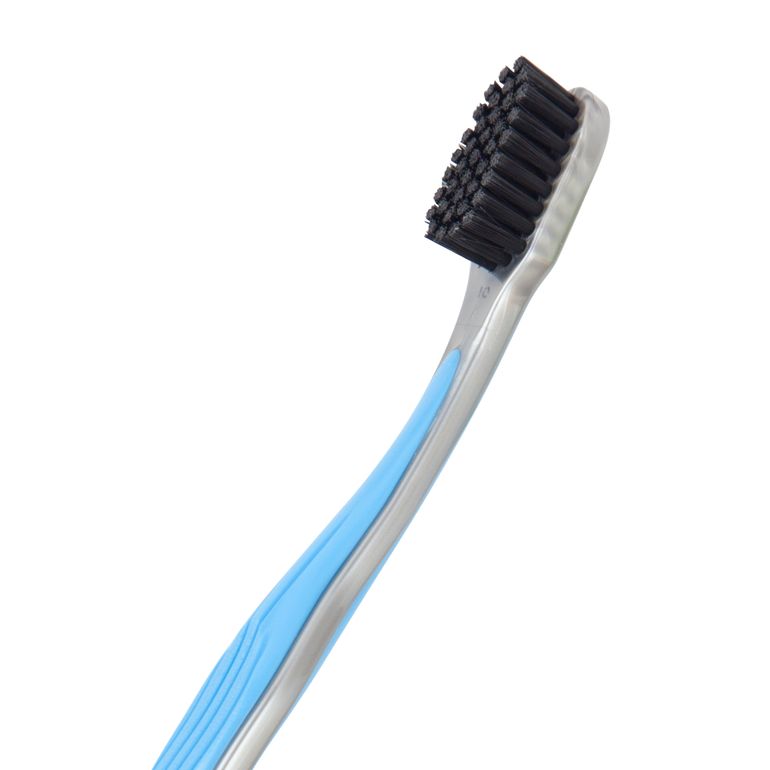
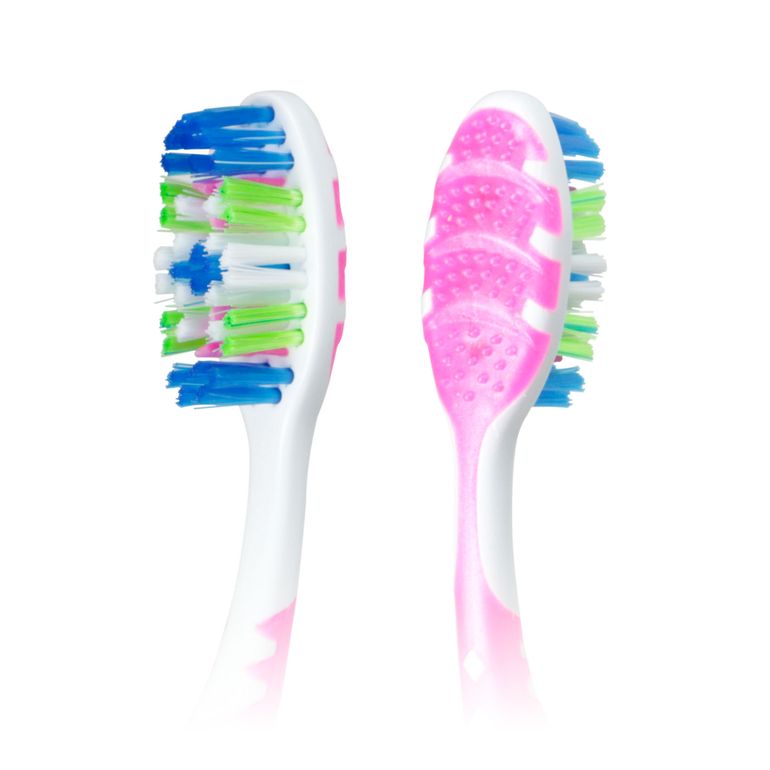
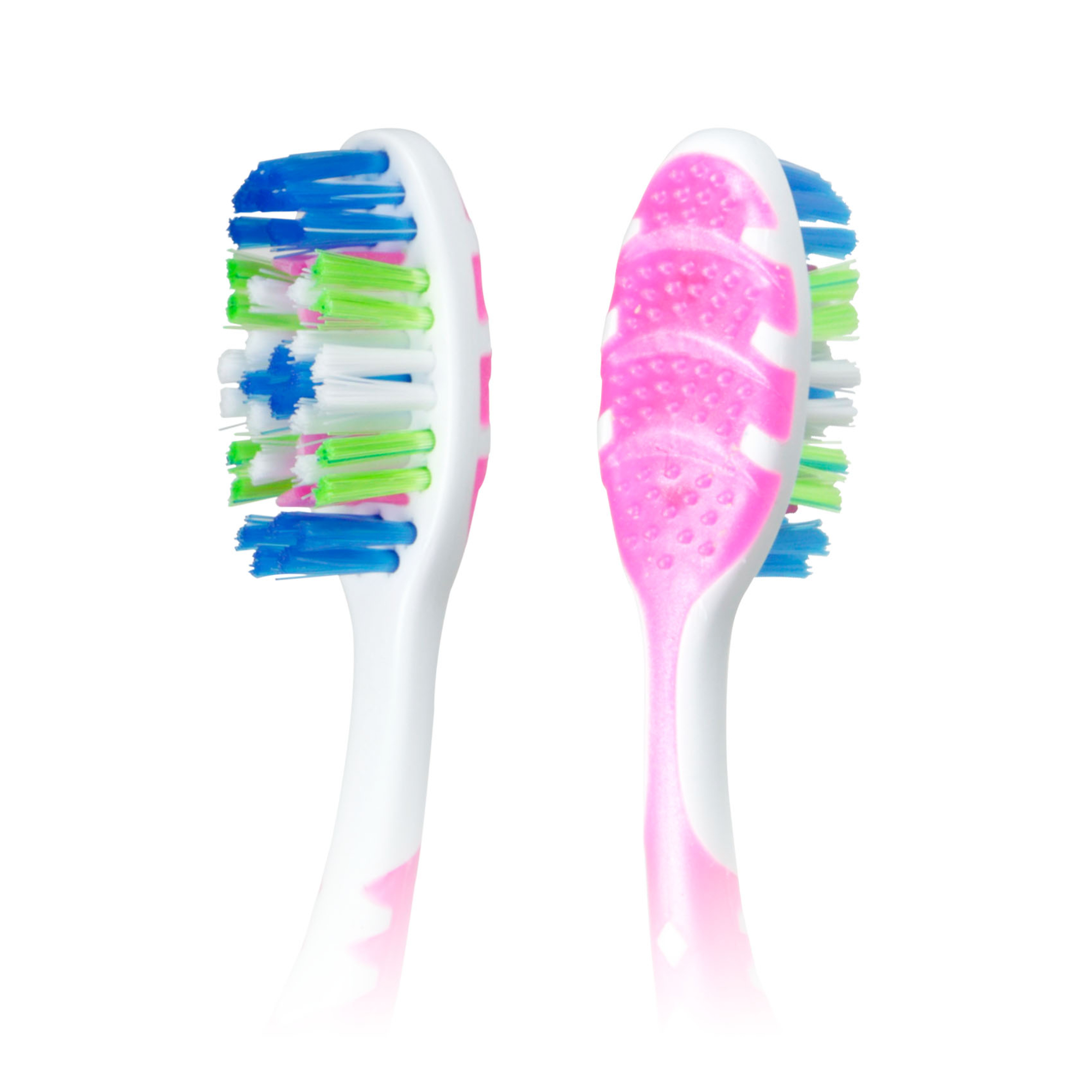
Polishing Bristle Array: Formulated with non-abrasive polymer filaments featuring rounded tips (end-rounding technology) to ensure enamel safety while delivering adequate surface friction to dislodge stains.
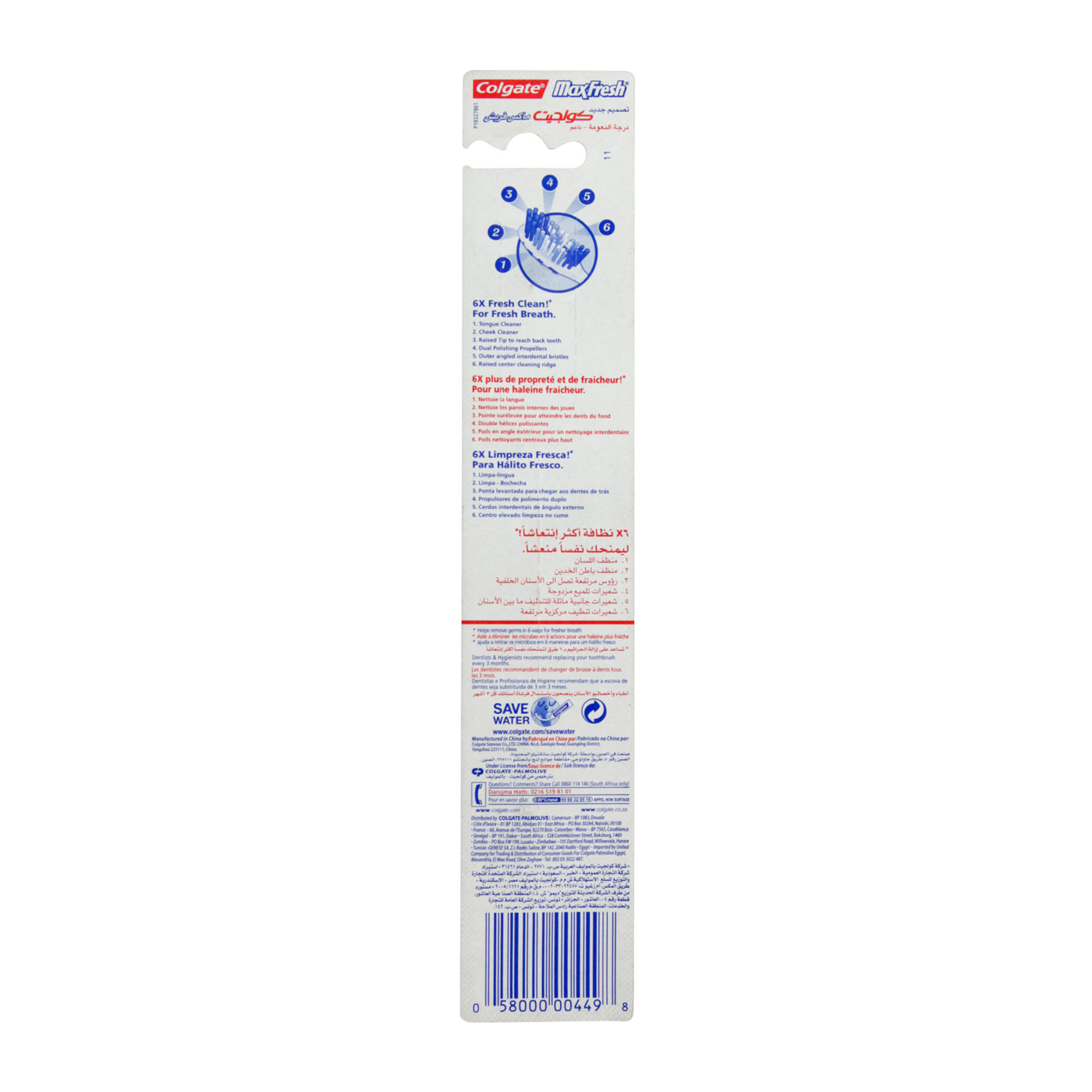
Integrated Tongue and Cheek Cleaner: Positioned on the reverse side of the brush head, this textured elastomeric surface mechanically scrapes away cellular debris, food remnants, and oral microflora from soft tissues.
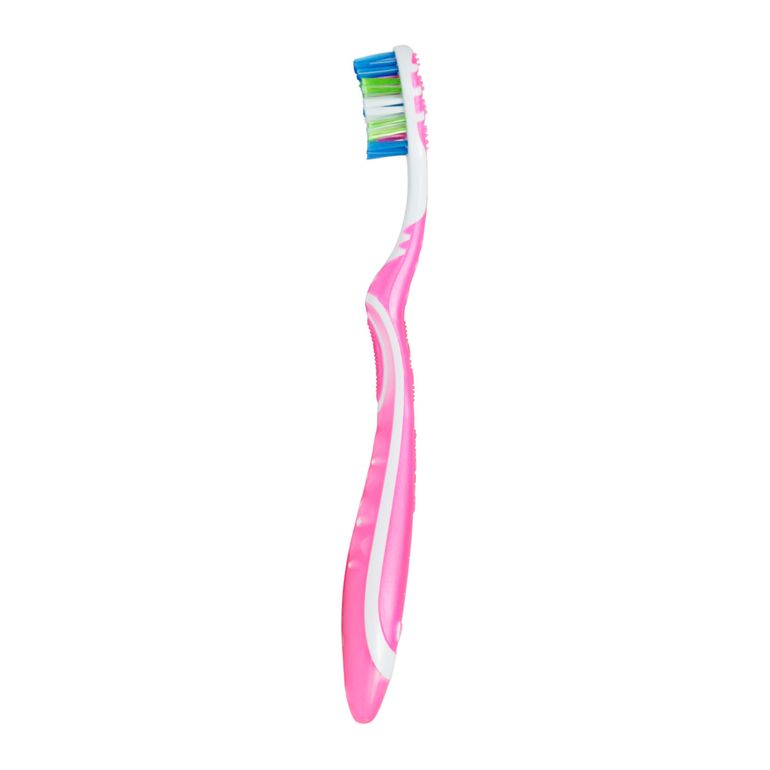
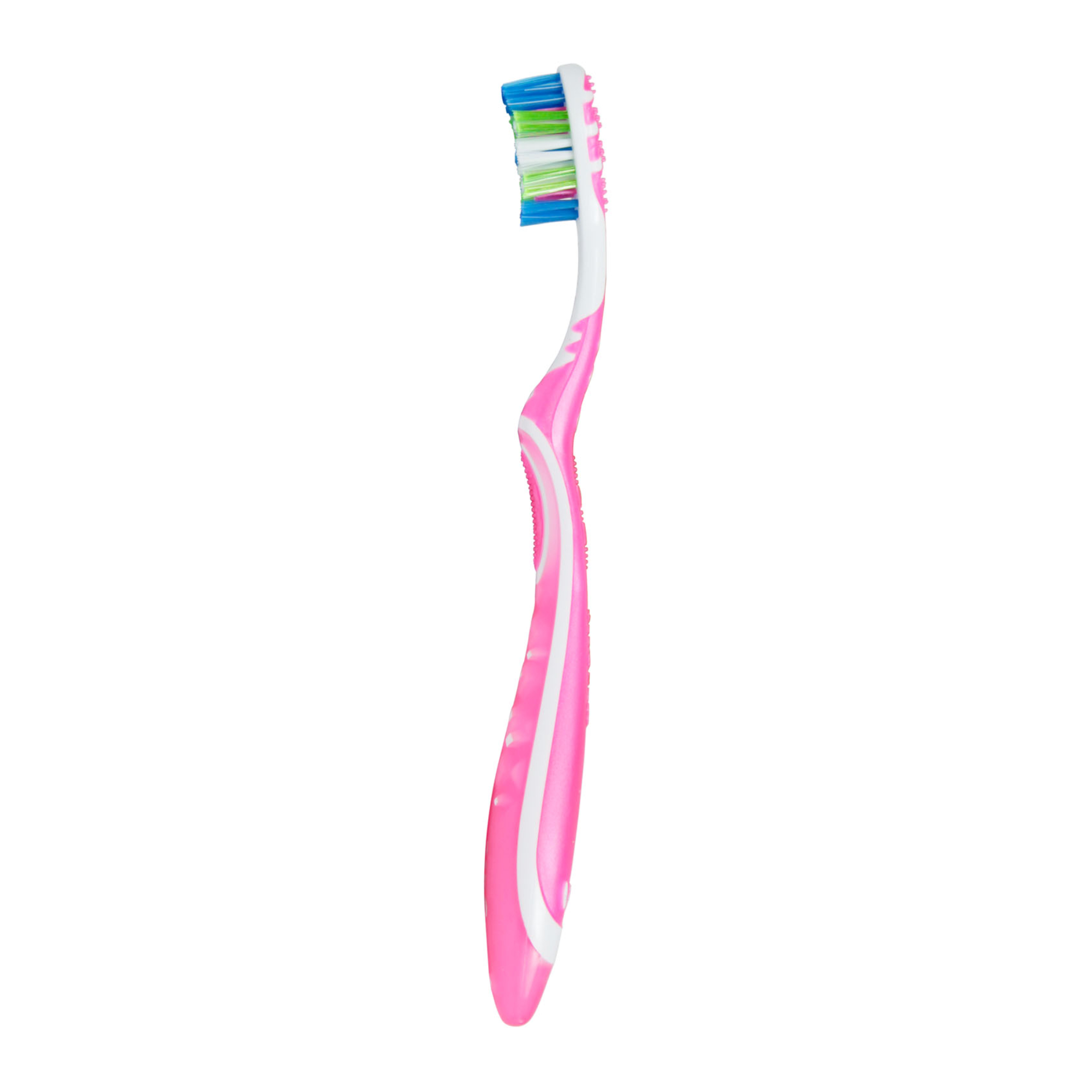
Ergonomic Handle: Constructed with anti-slip rubberized grips to allow precise control of brushing pressure, facilitating the ideal 45-degree angulation required for effective sulcar cleaning (Modified Bass Technique).
Mechanism of Action
Plaque Disruption: The end-rounded bristles flex to enter the sulcus and interproximal domains, physically breaking the structural matrix of dental plaque to interrupt bacterial acid production.
Surface Stain Removal: As the polishing bristles sweep across the enamel, micro-friction gently lifts extrinsic pigments without stripping the protective mineral layer (enamel apatite).
Bacterial Load Reduction: By addressing both teeth and soft tissues, the device lowers overall oral microbial density, helping to prevent the re-formation of odor-causing bacterial colonies throughout the day.
Usage Instructions & Safety Precautions
Recommended Brushing Technique
Frequency: Brush thoroughly at least twice daily, ideally after meals, or as directed by a dental healthcare professional.
Method: Hold the brush at a 45-degree angle toward the gum line. Move the brush head in short, gentle circular or vertical strokes from the gums toward the chewing surfaces of the teeth.
Soft Tissue Cleaning: Extend the brush head to the dorsal surface of the tongue. Gently sweep from back to front using the textured back surface of the brush head to clean the papillae.
Safety Precautions & Maintenance
Avoid Excessive Pressure: Applying excessive force during brushing can lead to premature bristle splaying, enamel abrasion, and gingival recession. Let the bristle design perform the mechanical work.
Replacement Schedule: Replace the toothbrush every 3 months, or sooner if the bristles become visible, splayed, or frayed. A worn toothbrush loses cleaning efficiency by up to 30% and can harbor pathogen build-up.
Post-Illness Replacement: It is clinically recommended to replace the toothbrush following an upper respiratory infection, streptococcal throat infection, or viral illness to prevent re-infection.
Storage: Wash the brush head thoroughly under running water after each use to remove residual toothpaste and debris. Store in an upright position in an open-air environment to dry; avoid sealed covers that promote fungal or bacterial growth.





 Personal Care