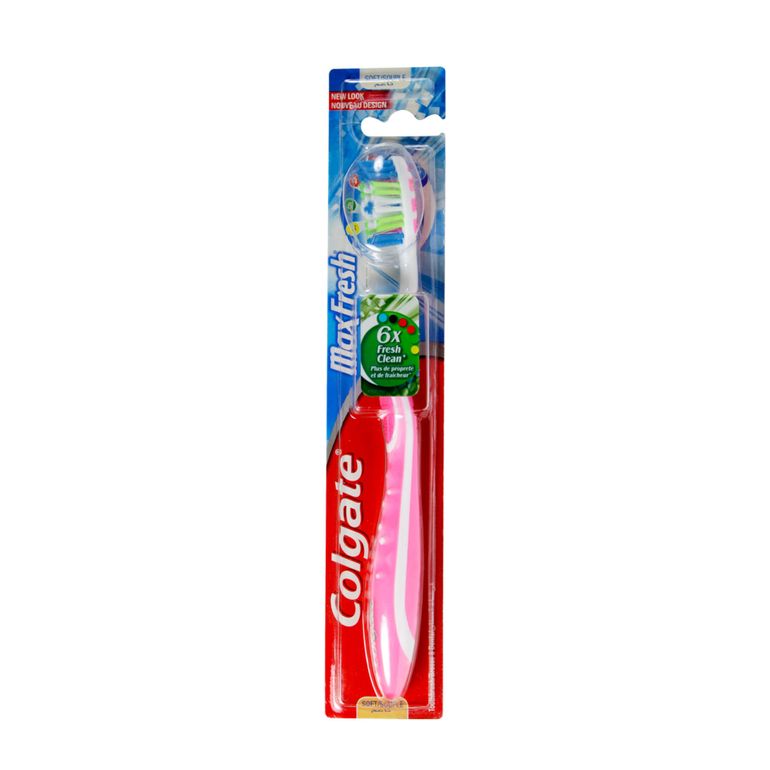
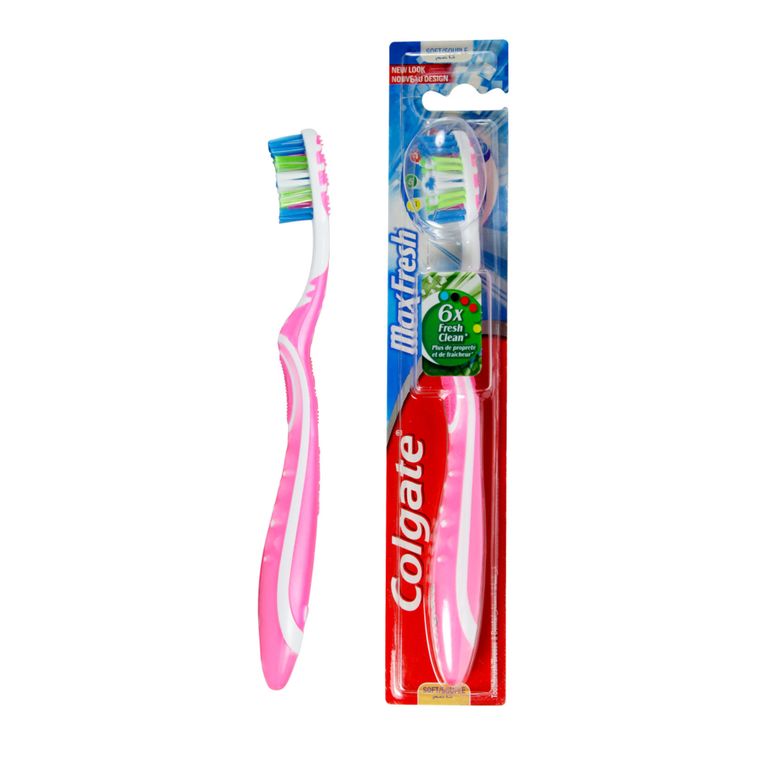
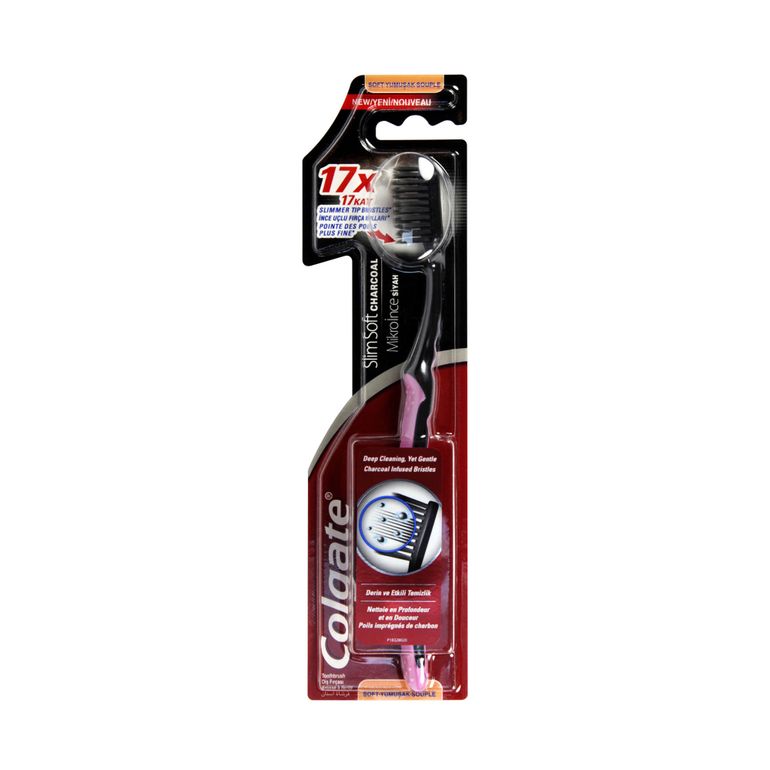
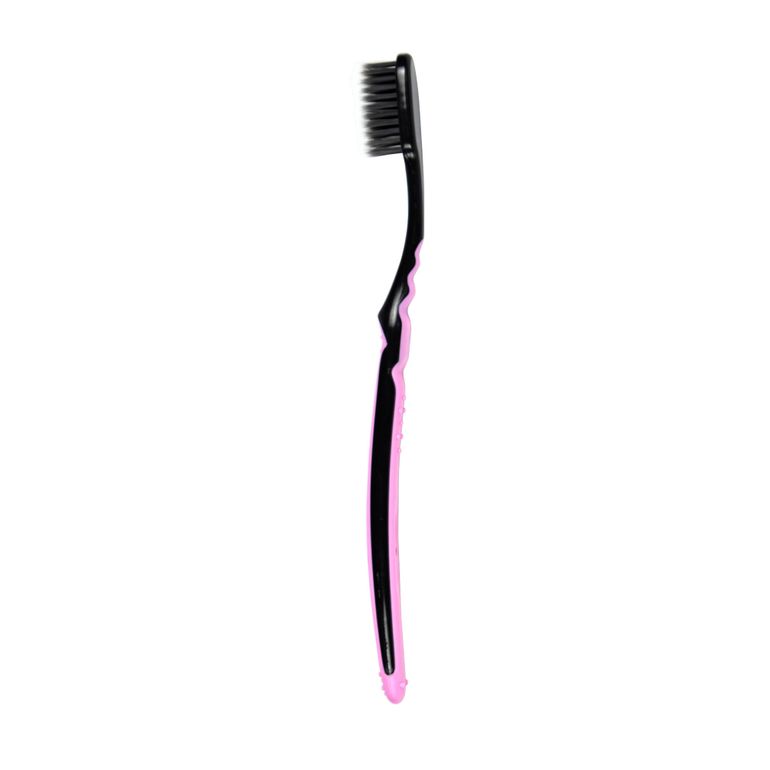
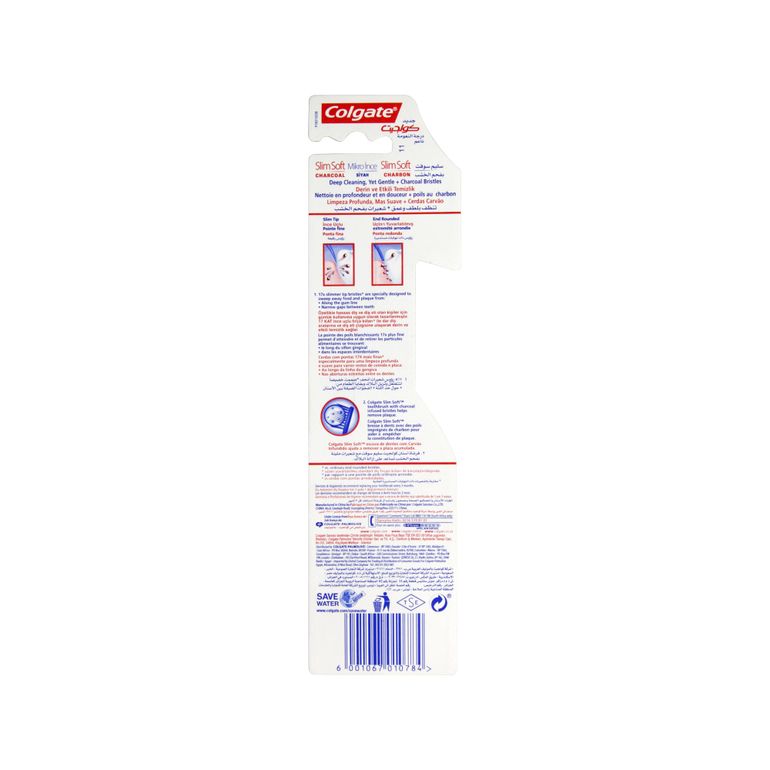
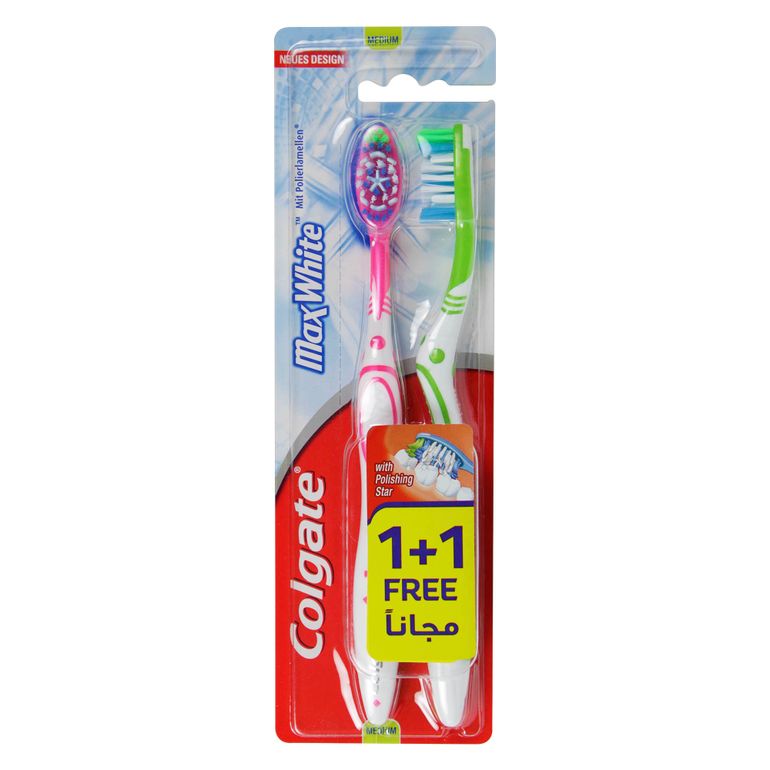
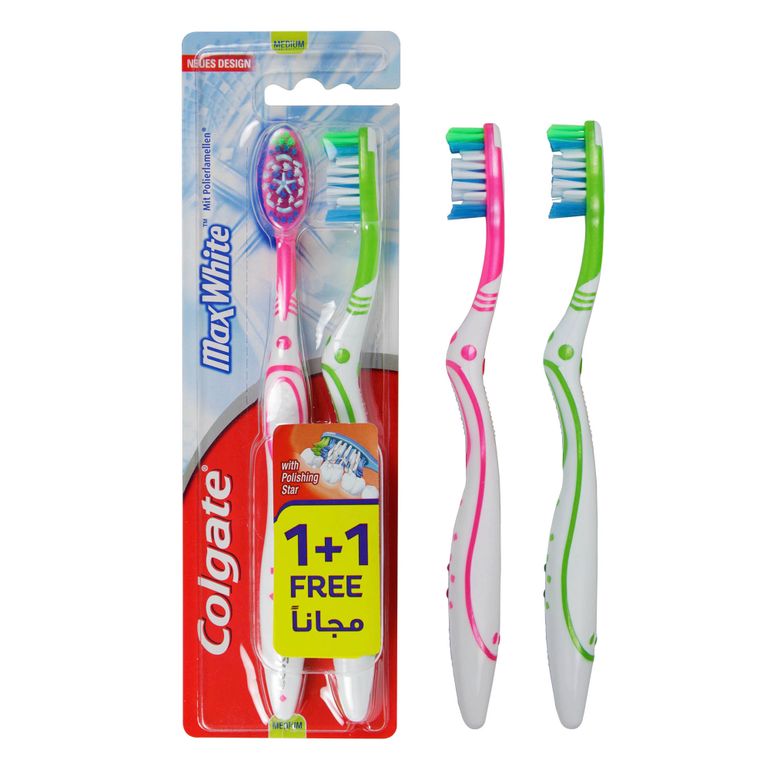
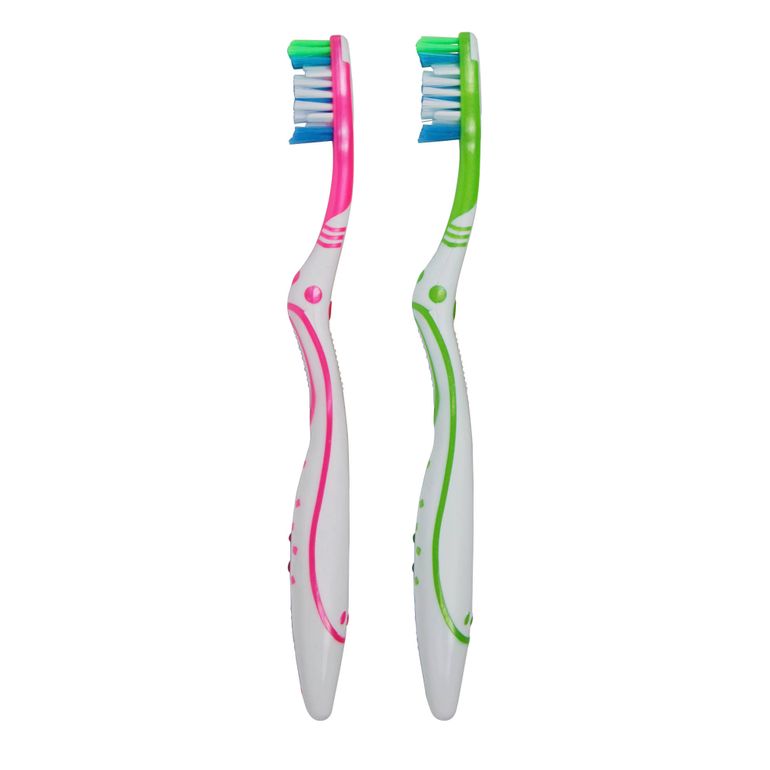
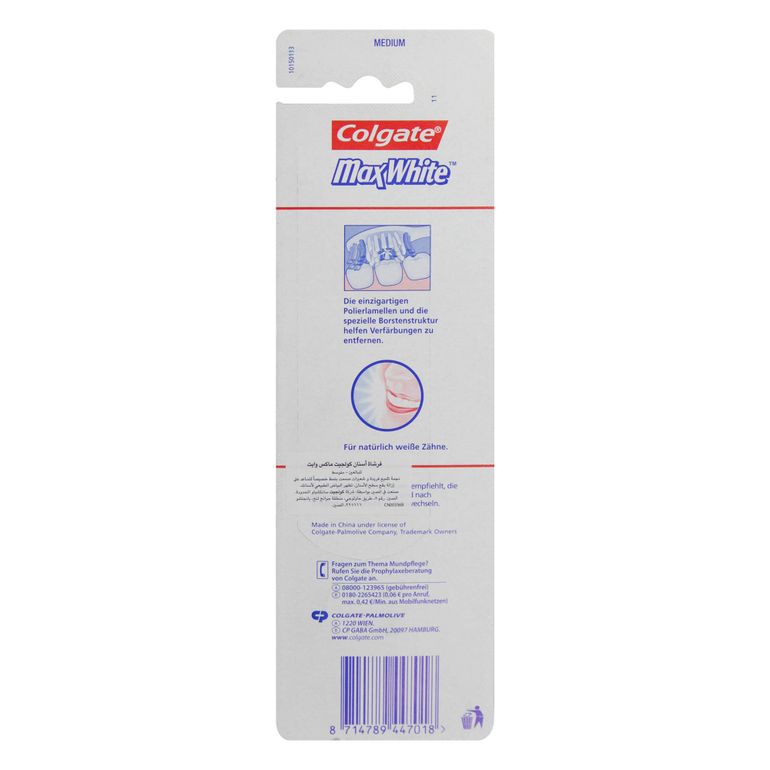
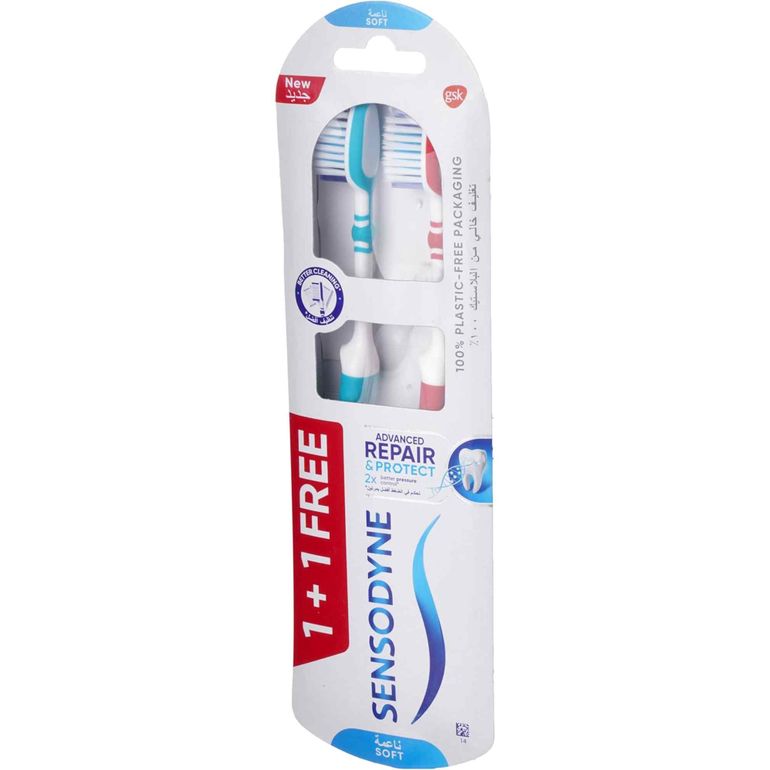
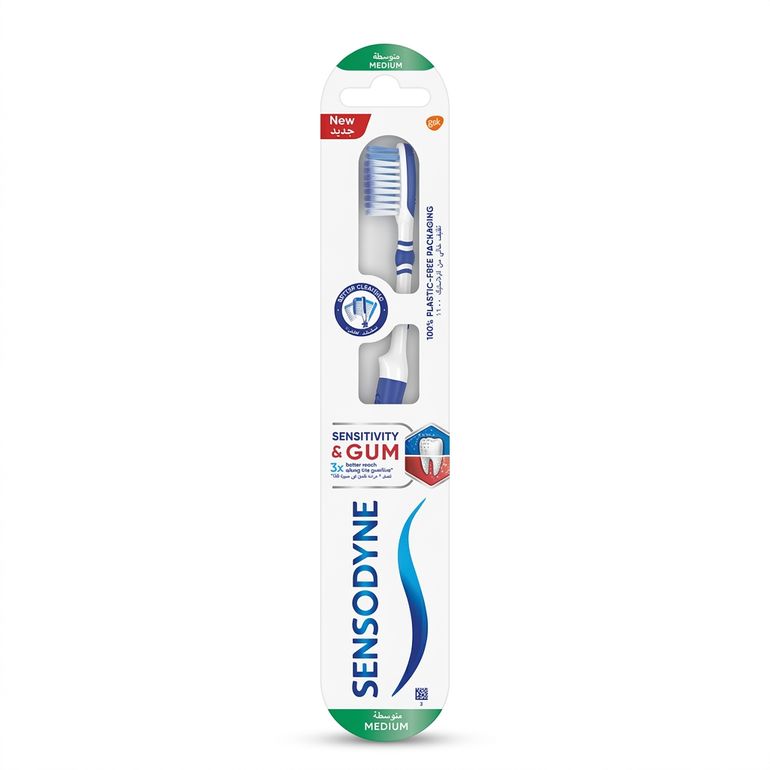
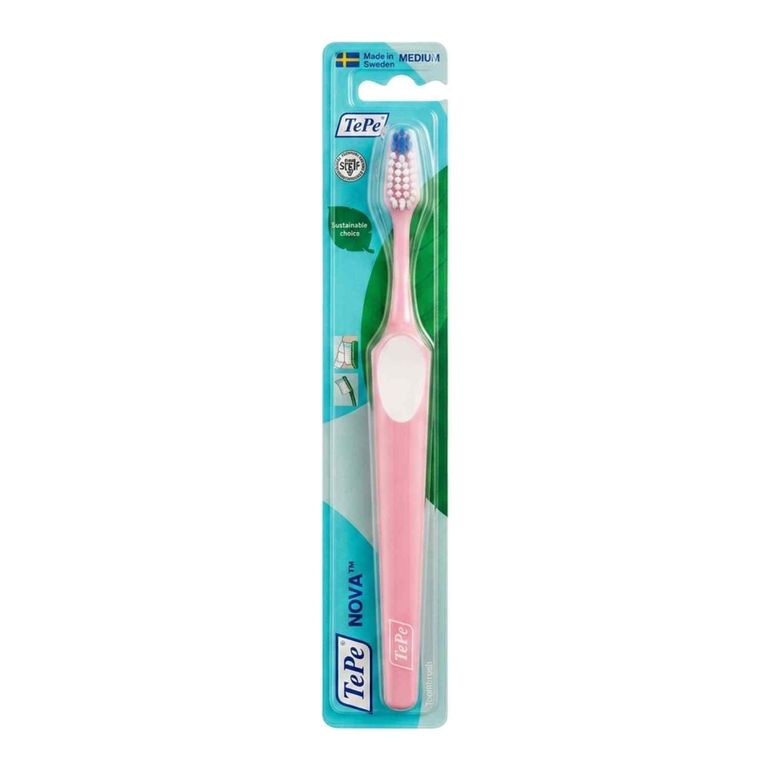
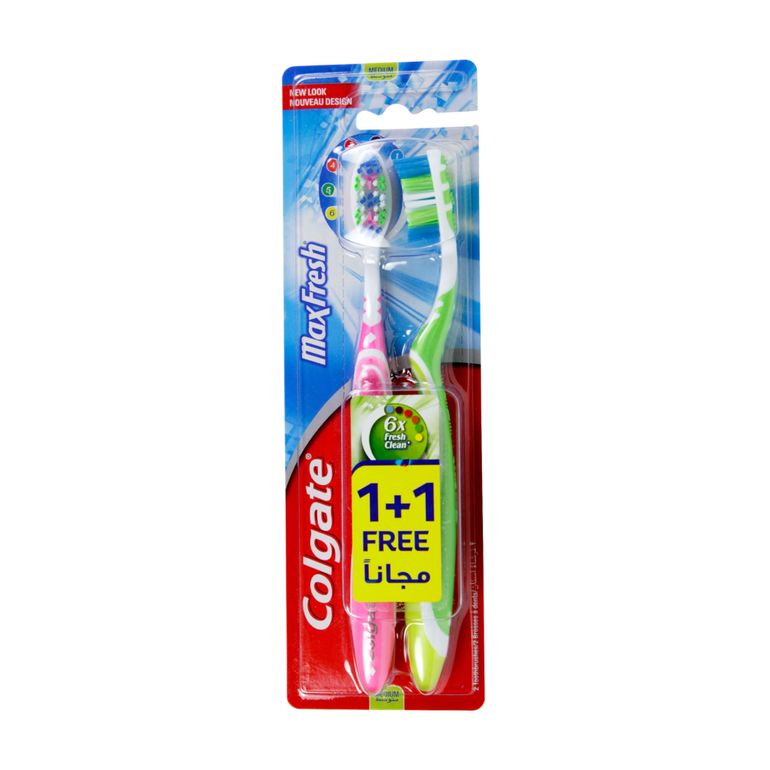
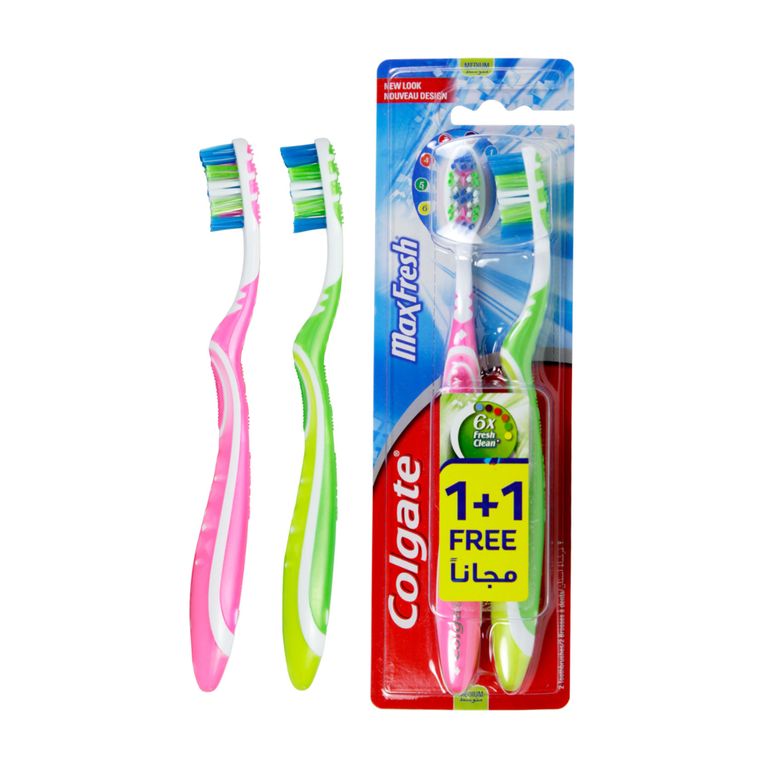
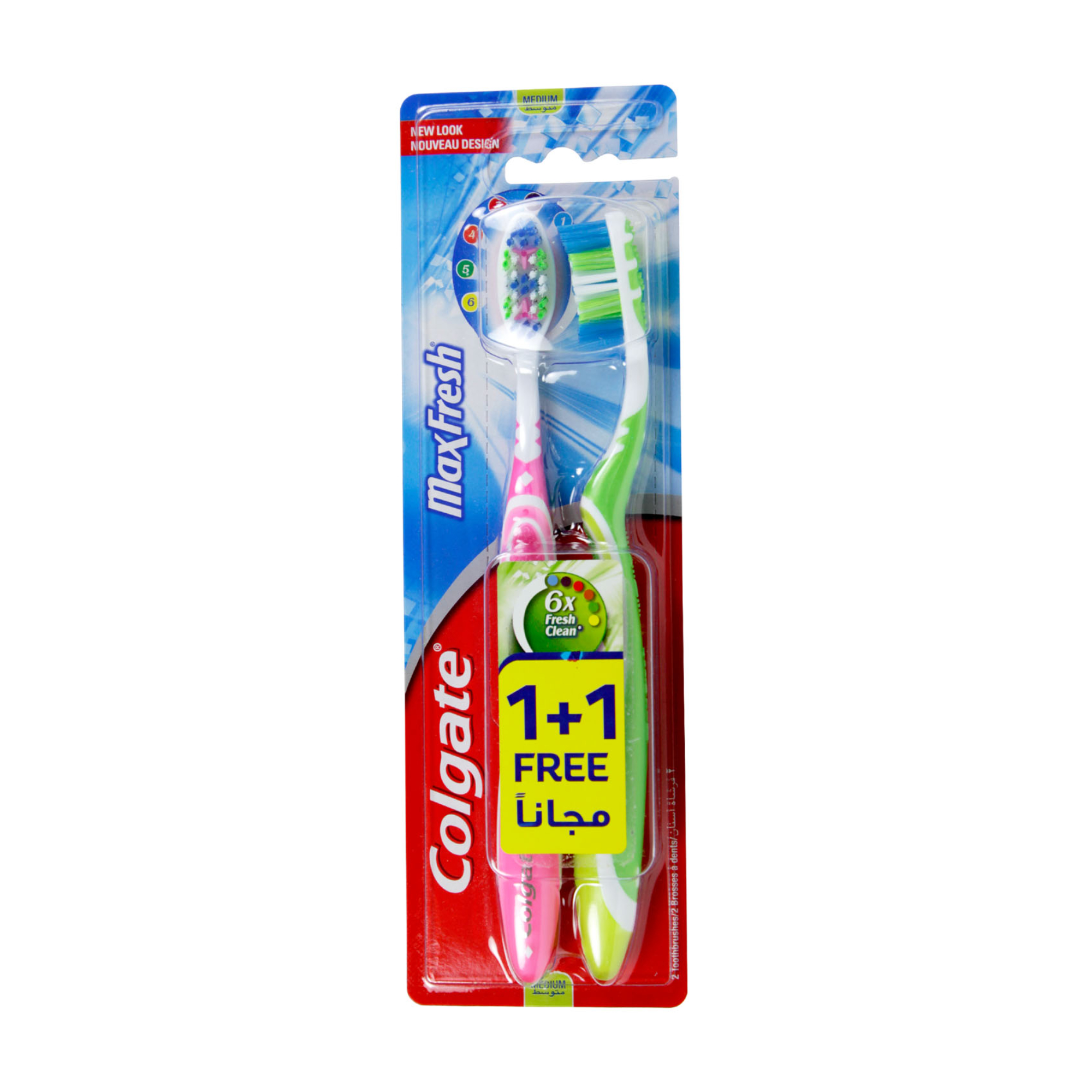
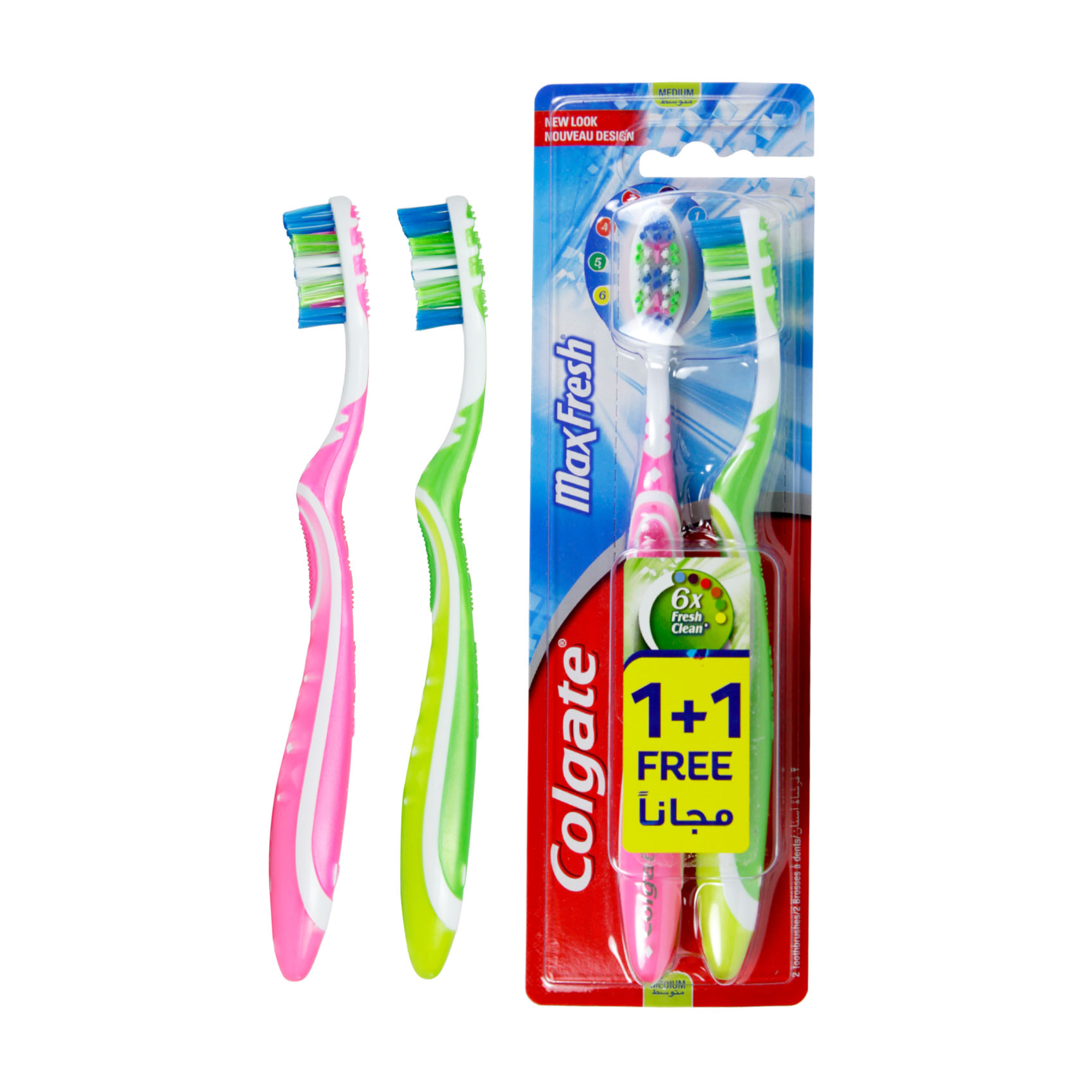
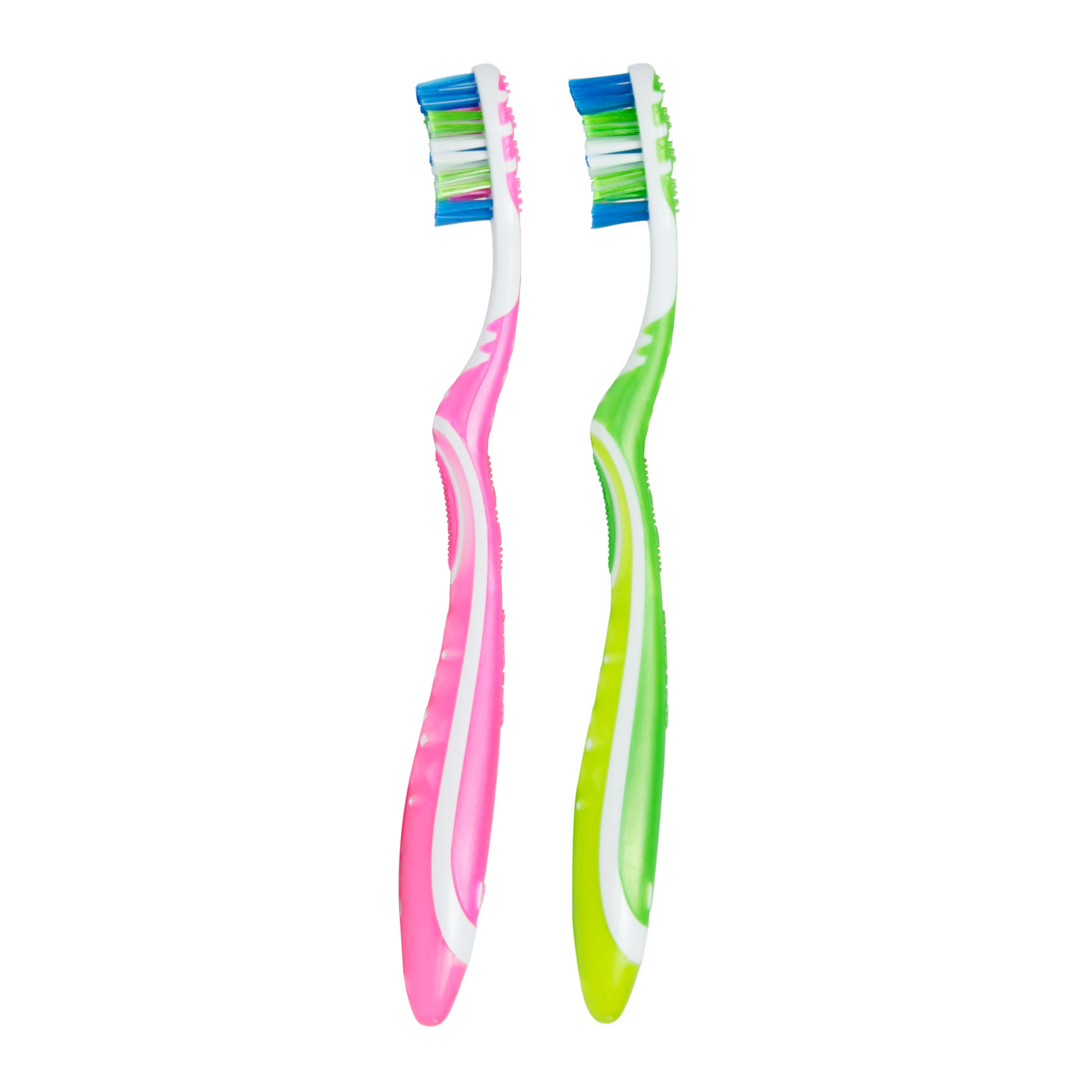
Colgate Max Fresh Medium Toothbrush is a manual oral hygiene instrument designed for the mechanical removal of dental plaque, bacterial biofilm, and micro-debris from tooth surfaces, interdental spaces, and soft oral tissues.
Regular removal of supragingival plaque is essential for preventing common oral pathologies, including dental caries, gingivitis, and periodontal disease. This multi-action toothbrush incorporates a multi-height bristle configuration, surface-polishing structures, and an integrated soft-tissue cleaner on the reverse of the brush head. The 1+1 pack configuration provides two complete oral care units to support uninterrupted replacement schedules as recommended by dental health standards.
Key Medical Benefits & Health Value
Mechanical Biofilm and Plaque Disruption: Multi-angled medium bristles penetrate interdental regions and smooth enamel surfaces to break down bacterial plaque matrix before mineralization into dental calculus (tartar) occurs.
Halitosis Mitigation via Soft-Tissue Debridement: The specialized posterior cleaner debrides the dorsal surface of the tongue and inner cheek mucosa, directly removing anaerobic bacteria that produce volatile sulfur compounds (VSCs), the primary cause of intra-oral halitosis.
Extrinsic Stain Management: Integrated polishing structures assist in buffing away superficial enamel discoloration caused by dietary chromogens (such as coffee, tea, and food pigments) without compromising structural enamel integrity.
Gingival Health Maintenance: Proper mechanical plaque removal along the gingival sulcus reduces localized inflammatory responses in the marginal mucosa, helping to lower the incidence of gingival bleeding and early-stage periodontitis.
Structural Architecture, Material Safety & Mechanism
Material Composition & Safety
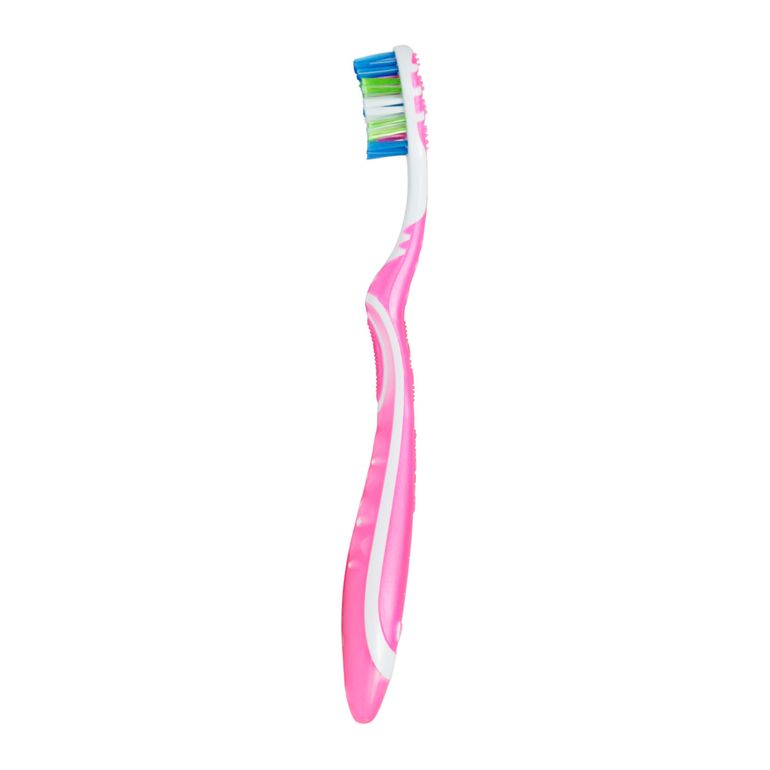
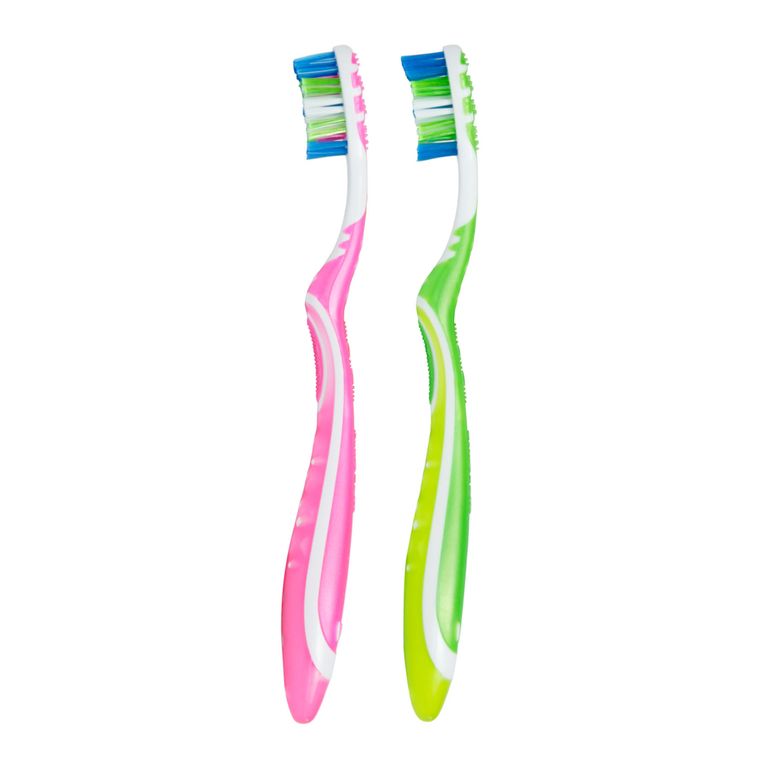
The toothbrush handle is constructed from durable, non-toxic polypropylene (PP) and non-latex thermoplastic elastomer (TPE), providing an ergonomic, non-slip grip. The cleaning head features end-rounded synthetic nylon filaments engineered to provide effective mechanical scrubbing while minimizing abrasive trauma to enamel and soft tissue structures.
Functional Design Components
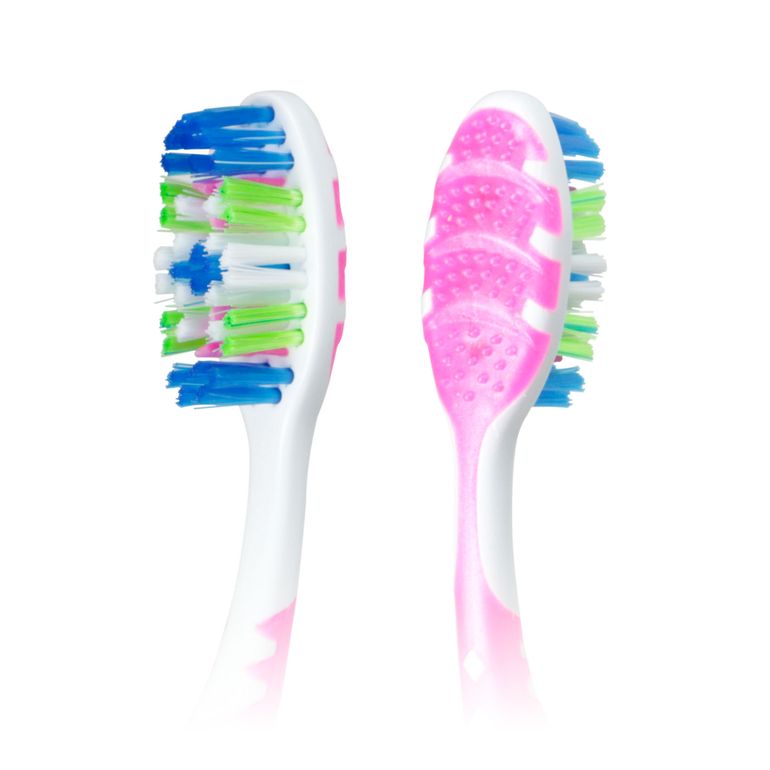
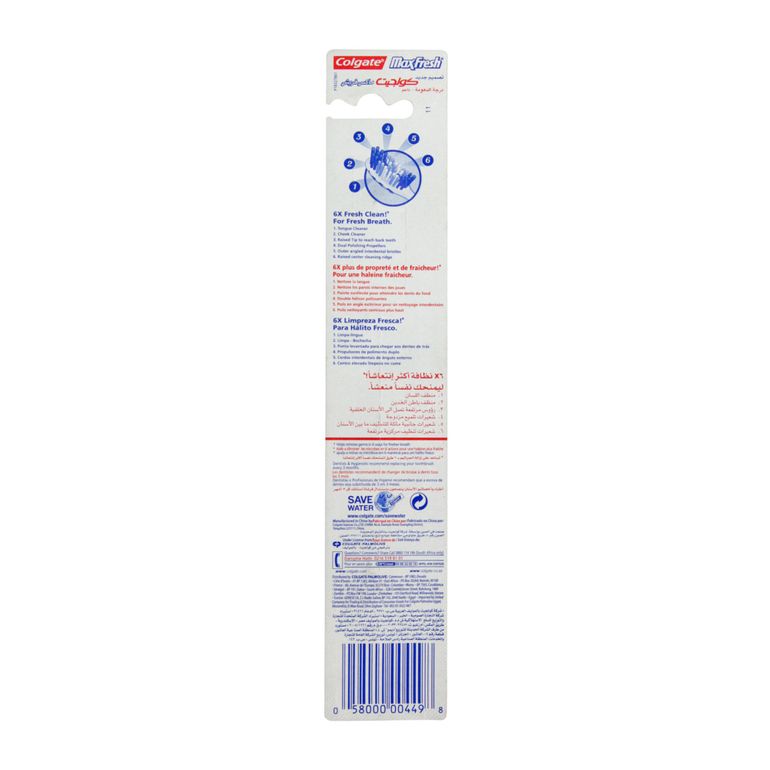
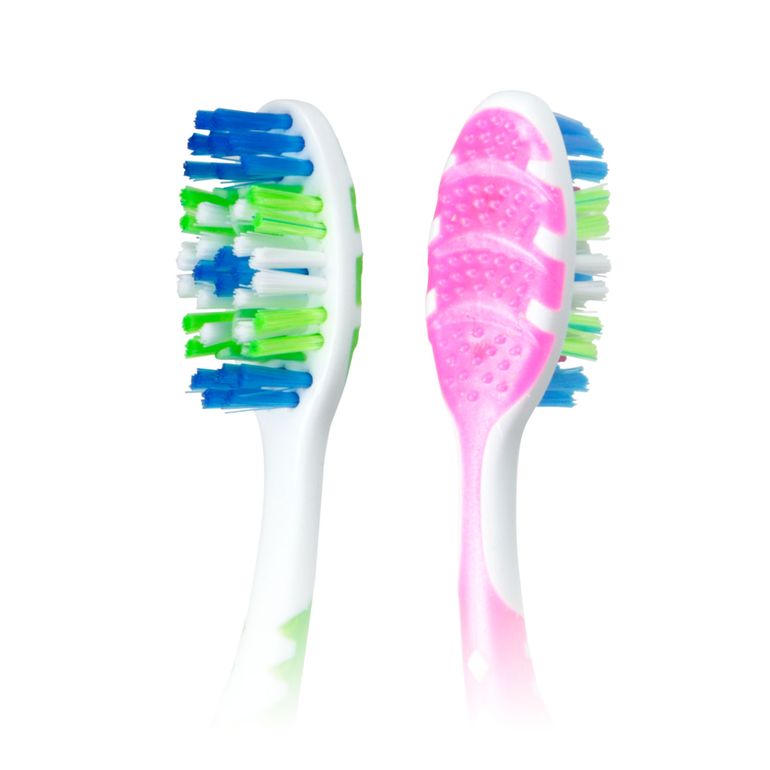
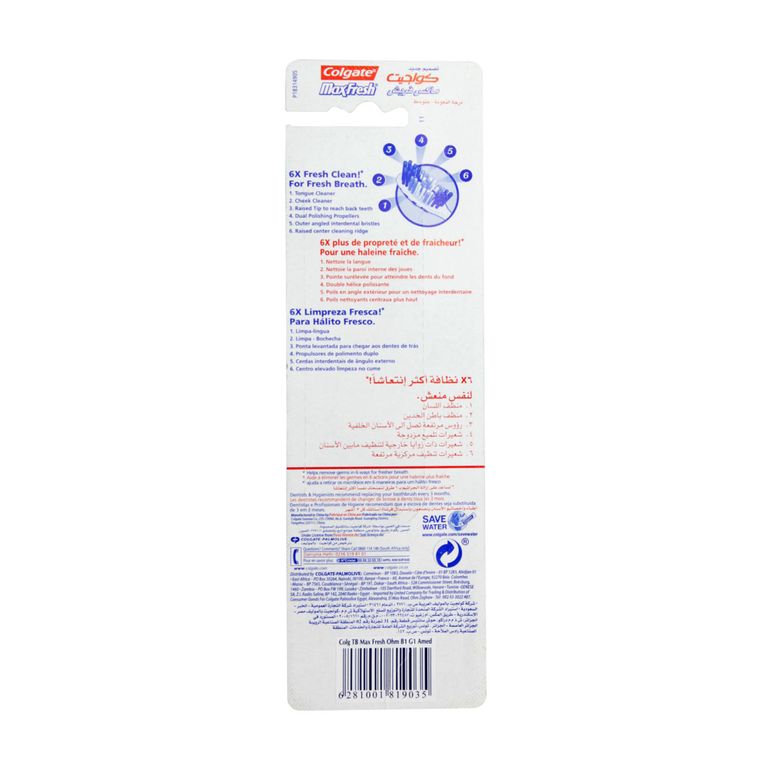
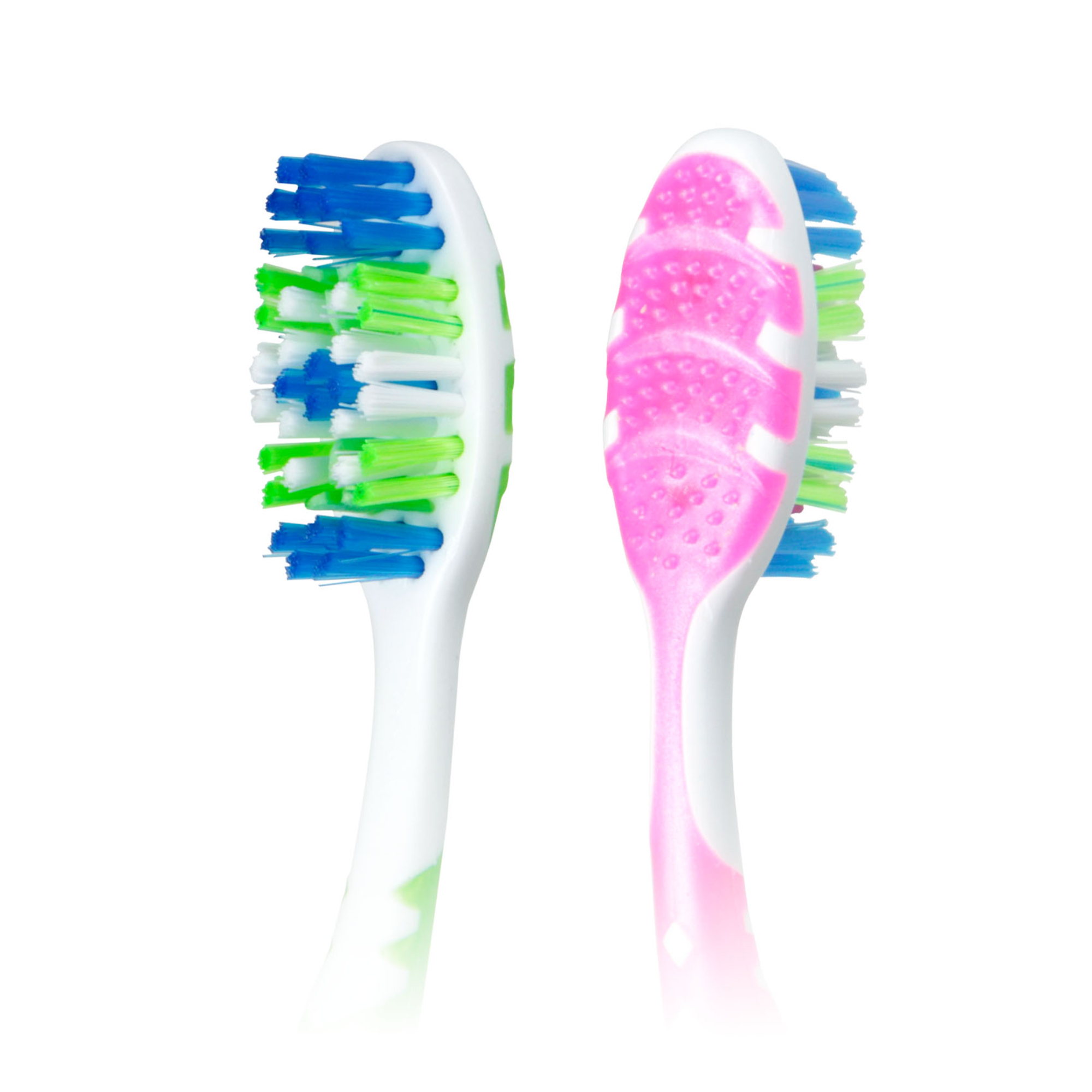
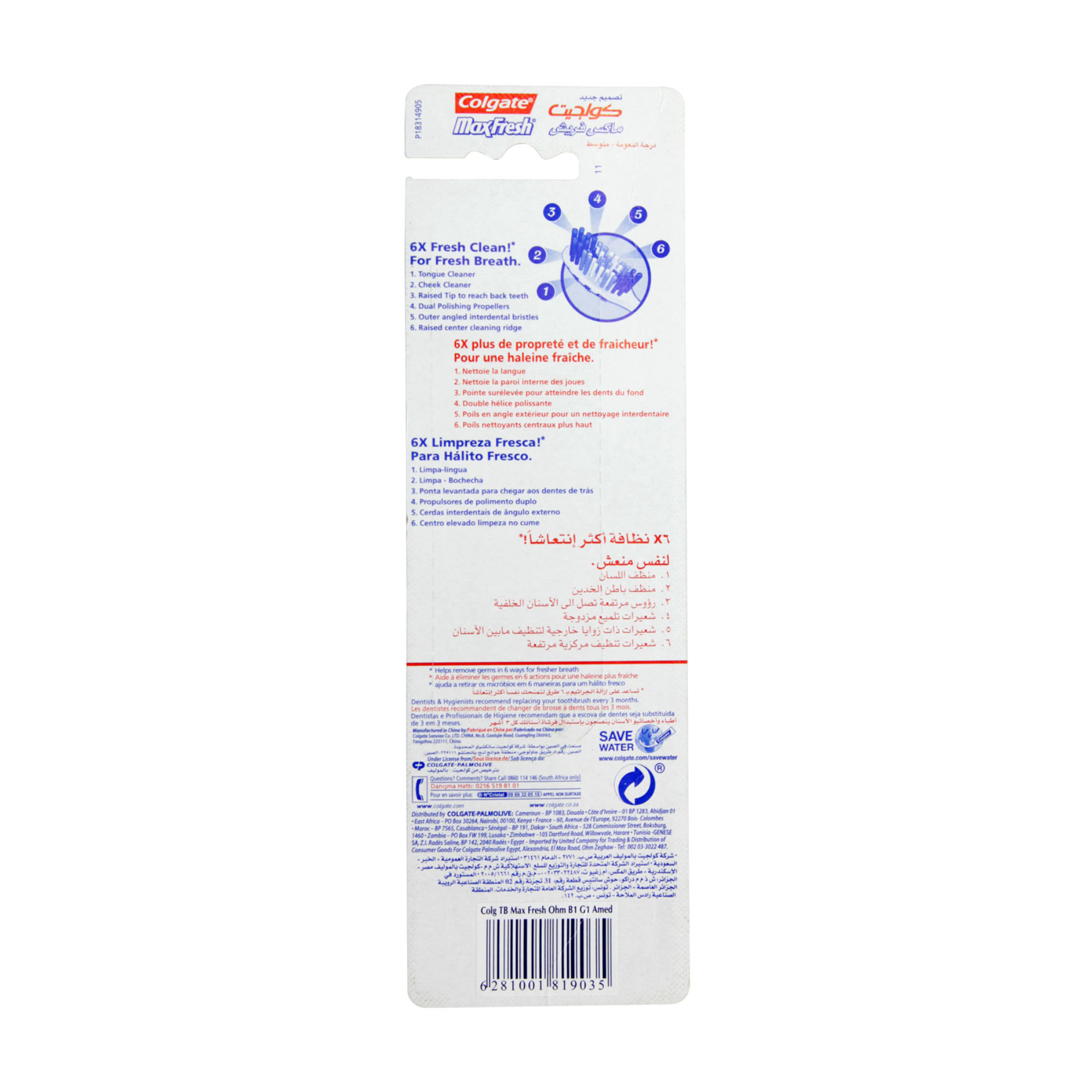
Raised Tip Bristles: Extended anterior bristles designed to reach the distal surfaces of the posterior molars, areas historically predisposed to plaque accumulation and dental caries.
Dual Polishing Structures: Centrally positioned bristle clusters arranged to maximize surface contact against labial and lingual enamel surfaces for surface cleaning.
Multi-Height Interdental Bristles: Angled perimeter bristles designed to flex into interproximal embrasures between neighboring teeth.
Textured Soft-Tissue Cleanser: Micro-molded TPE ridges situated on the back of the brush head designed to sweep bacterial coatings off the tongue mucosa and buccal membranes.
Usage Instructions & Dental Care Protocol
Brushing Technique
Frequency: Brush thoroughly twice daily for a duration of two minutes per session.
Angle & Motion: Hold the toothbrush at a 45-degree angle toward the gingival margin (the modified Bass technique). Apply gentle, short circular and sweeping motions away from the gum line to sweep away plaque.
Coverage: Systematically clean the outer (labial/buccal), inner (lingual/palatal), and chewing (occlusal) surfaces of all upper and lower teeth.
Soft-Tissue Cleansing: Gently sweep the back of the brush head across the dorsum of the tongue from back to front to eliminate odor-causing bacterial film.
Hygienic Maintenance & Replacement
Cleaning & Storage: After each use, rinse the toothbrush head thoroughly under running potable water to remove residual dentifrice and debris. Store upright in an open-air rack to allow complete air-drying and inhibit microbial growth.
Replacement Interval: Dental professionals recommend replacing toothbrushes every 3 months, or earlier if filaments show signs of splaying, wear, or following recovery from contagious upper respiratory infections.
Safety Precautions & Clinical Considerations
Excessive Mechanical Force
Applying excessive manual pressure during brushing or utilizing improper scrubbing motions can lead to mechanical abrasion of tooth enamel (cervical lesions) and gingival recession. Gentle pressure is sufficient for effective plaque disruption.
Individual Dental Needs
Gingival Sensitivity: Patients presenting with acute gingival inflammation, exposed dentin, or severe dentinal hypersensitivity should consult a dental practitioner to evaluate whether a soft or extra-soft bristle filament is clinically indicated.
Pediatric Use: This product is designed for adult and adolescent dentition. Children under 6 years of age require specialized pediatric toothbrushes and direct adult supervision during brushing.





 Personal Care