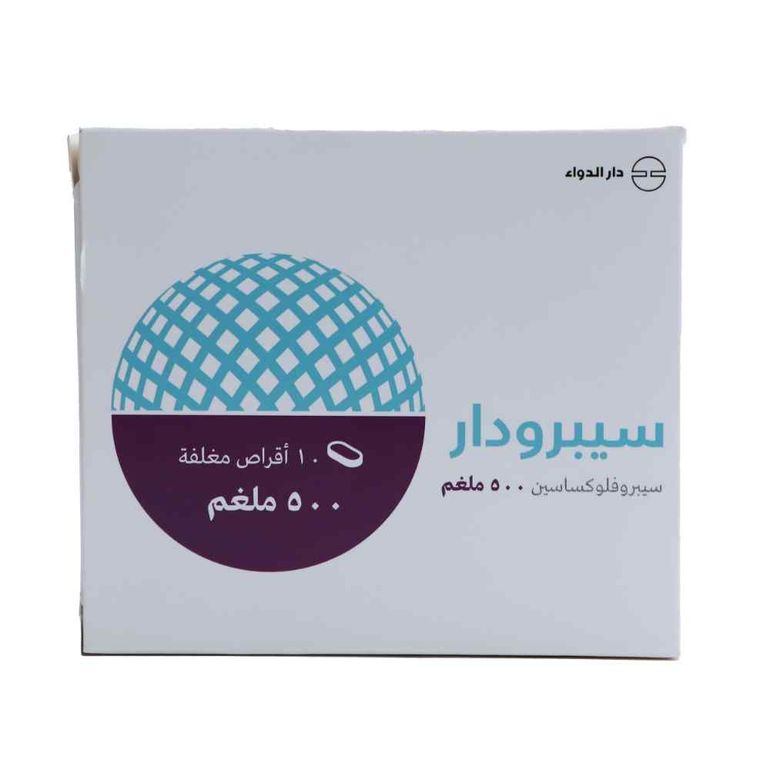
Ciprodar 500mg is a broad-spectrum prescription antibiotic belonging to the fluoroquinolone pharmacological class. It is clinically indicated for the treatment and prophylaxis of a wide range of acute, chronic, complicated, and uncomplicated bacterial infections in adult patients.
Key Medical Benefits & Clinical Value
1. Management of Complicated Urinary Tract Infections (cUTIs)
Ciprodar 500mg is highly effective against Gram-negative uropathogens, including Escherichia coli, Klebsiella pneumoniae, and Pseudomonas aeruginosa. It is clinically utilized to treat complicated urinary tract infections, severe pyelonephritis (kidney infections), and chronic bacterial prostatitis, achieving high tissue concentrations in the urinary tract.
2. Treatment of Lower Respiratory Tract and Systemic Infections
The broad-spectrum efficacy of this formulation extends to severe respiratory conditions, including acute exacerbations of chronic bronchitis and nosocomial pneumonia caused by susceptible strains. Furthermore, it plays a key role in managing complicated intra-abdominal infections, skin and skin structure infections, and infectious diarrhea.
3. Bone and Joint Infection Therapy
Due to its superior tissue penetration characteristics, the active substance in Ciprodar 500mg successfully crosses structural cellular barriers to reach therapeutic levels in bone and joint tissues. This makes it an important therapeutic choice for managing prolonged cases of chronic osteomyelitis.
Ingredients & Mechanism of Action
Core Component: Ciprofloxacin Hydrochloride
The primary active pharmaceutical ingredient (API) is Ciprofloxacin (as ciprofloxacin hydrochloride), a synthetic fluorinated carboxyquinolone.
Mode of Action:
Inhibition of Bacterial DNA Replication: Ciprofloxacin exerts its rapid bactericidal action by directly targeting and inhibiting two essential bacterial enzymes: DNA gyrase (Topoisomerase II) and Topoisomerase IV.
Prevention of Cellular Repair: DNA gyrase introduces negative supercoils into bacterial DNA, a prerequisite for replication, transcription, and repair. By binding to these enzymes, Ciprodar prevents the bacterial DNA from uncoiling and replicating, leading to immediate chromosomal strand breakage and the death of the bacterial cell.
Exclusivity to Pathogens: This biochemical pathway is specific to bacterial cell replication, ensuring that human topoisomerase enzymes remain unaffected by standard therapeutic doses.
Usage Instructions & Safety Precautions
Clinical Administration Guidelines
To minimize side effects and optimize biological availability, patients must strictly adhere to their healthcare provider's instructions:
Dosage and Duration: Take the tablet exactly as prescribed by your physician. The course of therapy must be completed entirely, even if symptoms subside early, to prevent the mutation of resistant bacterial strains.
Administration: Swallow the tablet whole with a full glass of water. It can be taken with or without food.
Hydration: Maintain a high daily intake of fluids throughout the treatment course to ensure proper renal clearance and prevent the formation of crystals in the urine (crystalluria).
Crucial Safety Precautions & Warnings
Black Box Warnings (Fluoroquinolone Class Risks): Fluoroquinolones are associated with an increased risk of tendonitis and tendon rupture (particularly the Achilles tendon), peripheral neuropathy (irreversible nerve damage), and central nervous system effects (anxiety, tremors, or confusion). Discontinue use and contact your doctor immediately at the first sign of tendon pain or numbness.
Dietary and Drug Interactions: Do not take Ciprodar concurrently with antacids, iron supplements, multivitamins, or dairy products (milk, yogurt) containing high levels of magnesium, aluminum, or calcium. These minerals bind to ciprofloxacin in the gut, reducing its systemic absorption by more than 50%. Administer the antibiotic at least two hours before or six hours after these substances.
Photosensitivity: This medication increases skin sensitivity to ultraviolet light. Avoid prolonged exposure to direct sunlight or sunlamps during therapy.
Storage Parameters: Keep the blister pack in a dry environment maintained below 30°C. Store completely out of the reach of children.





 Medication