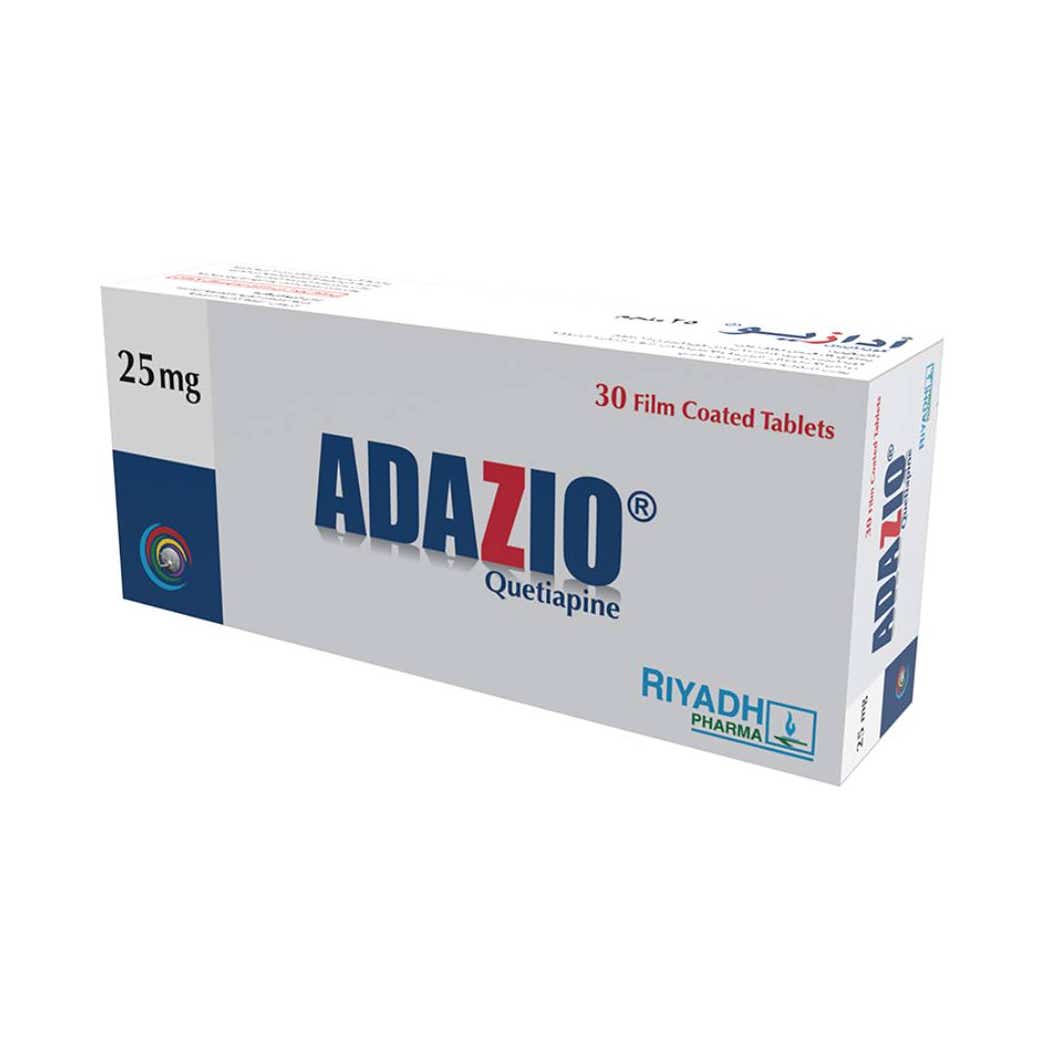
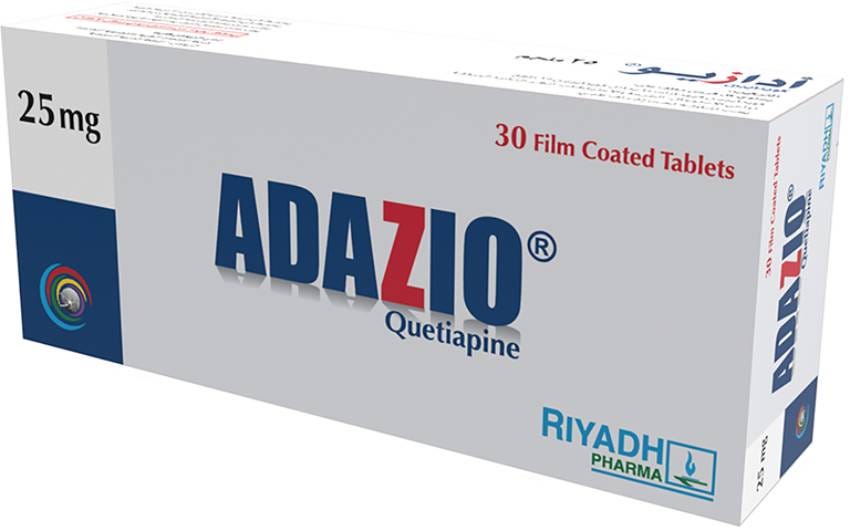
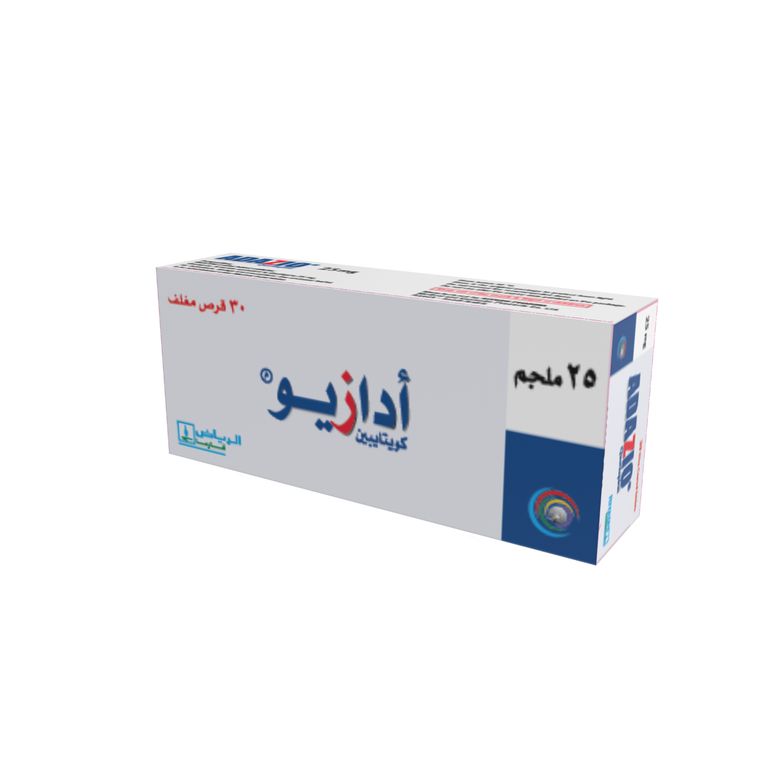
Adazio 25 mg is a prescription pharmaceutical formulation containing Quetiapine (as Quetiapine Fumarate), classified pharmacologically as a second-generation or atypical antipsychotic agent. It is indicated for the clinical management of psychiatric and mood disorders, including schizophrenia, major depressive episodes associated with bipolar disorder, and acute manic episodes associated with Bipolar I disorder.
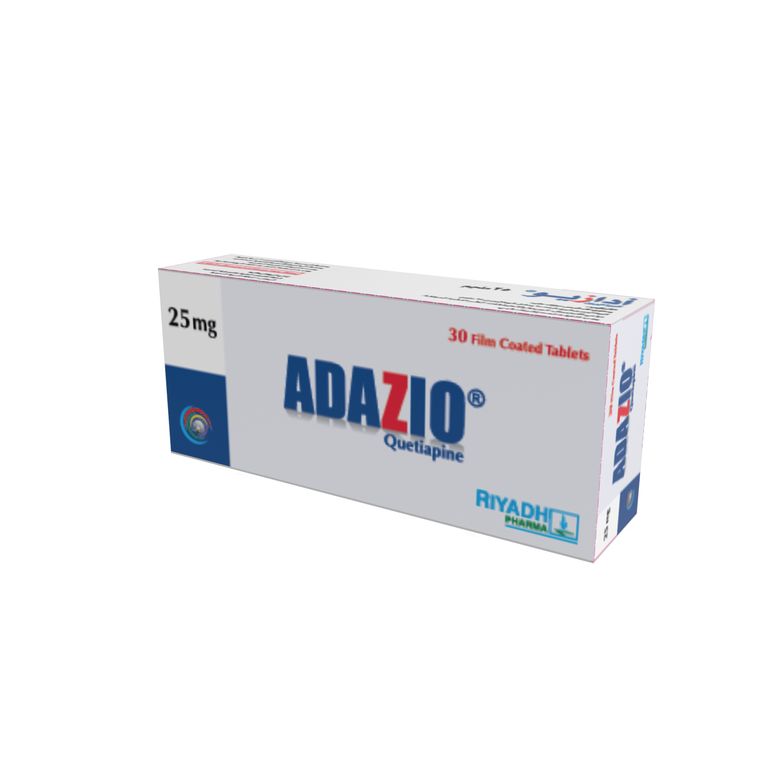
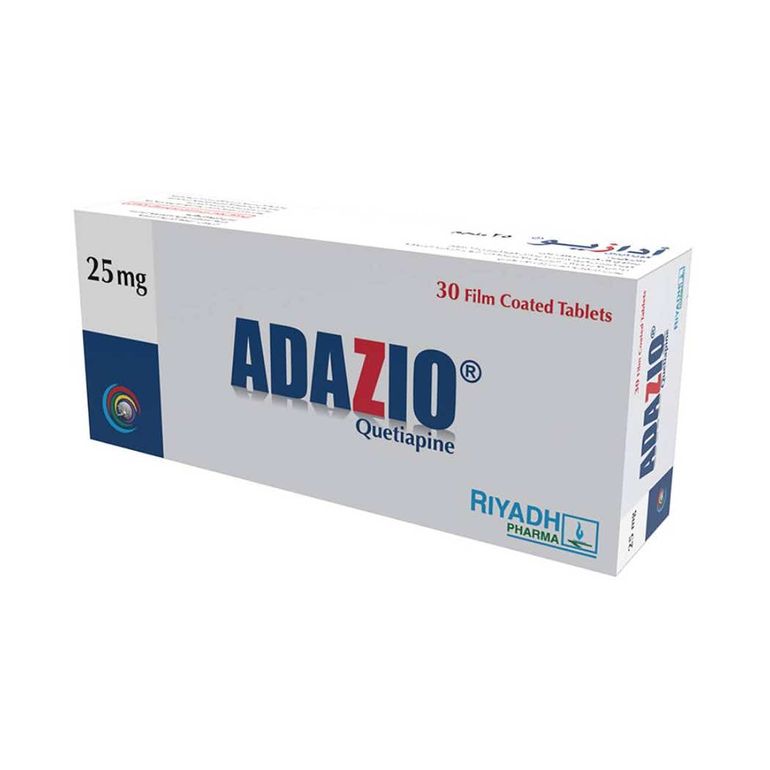
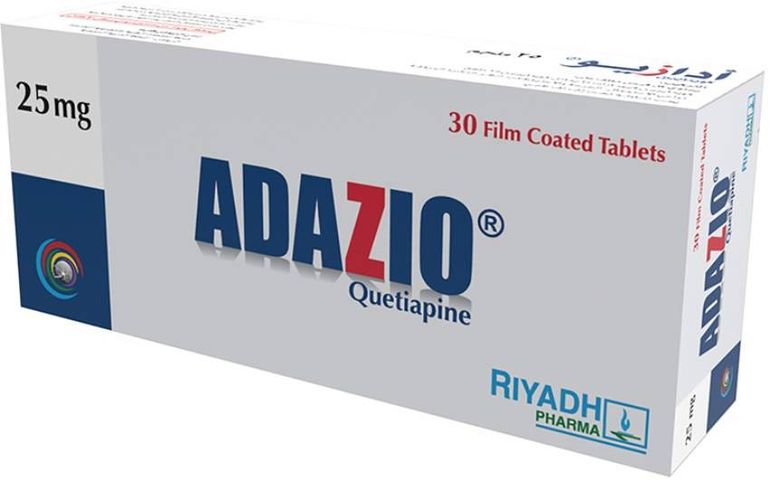
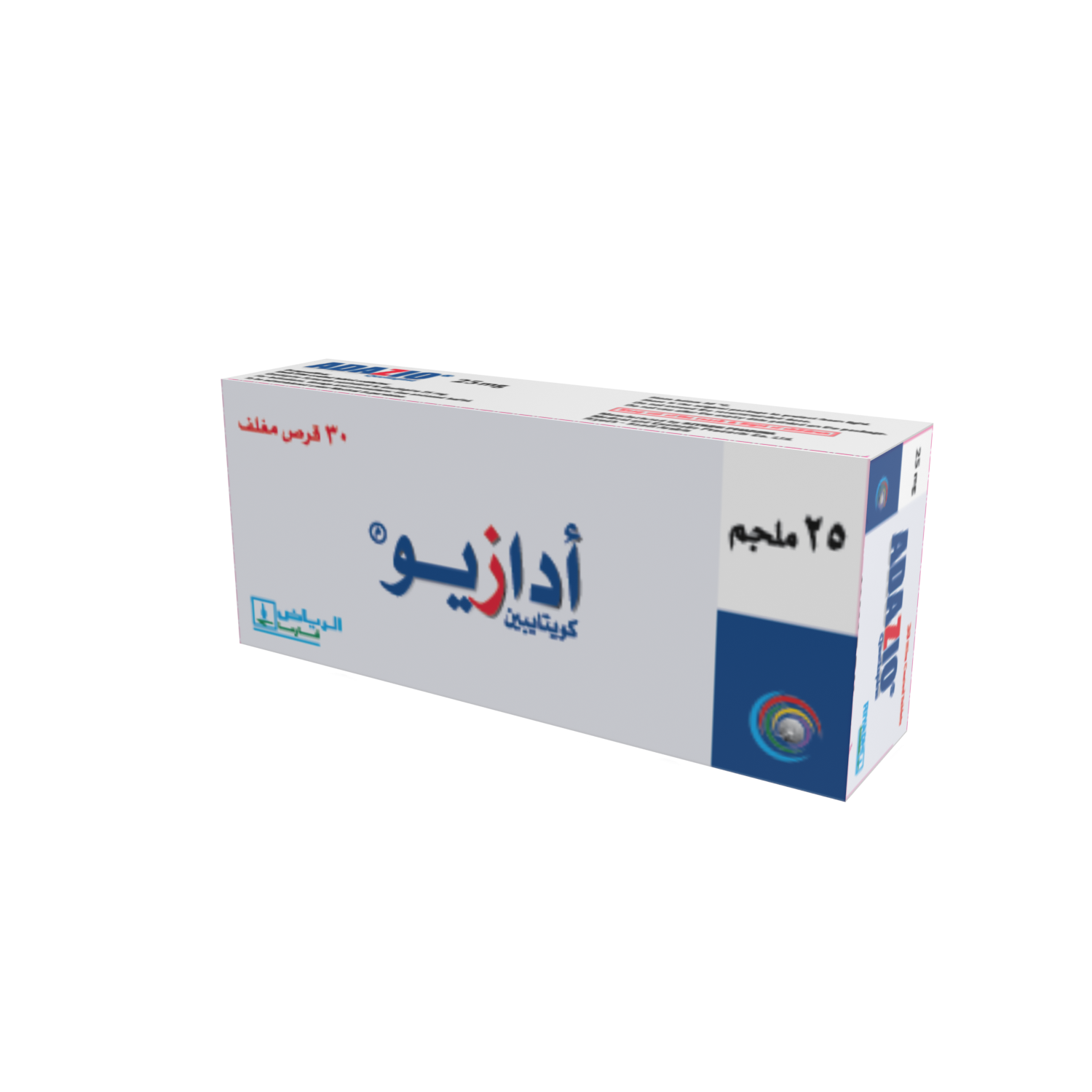
Supplied in a box of 30 film-coated tablets, Adazio 25 mg provides a low-dose strength frequently utilized during initial dose titration protocols or as part of combination therapeutic regimens under direct medical supervision.
Active Ingredient & Mechanism of Action
Active Ingredient
Pharmacodynamics
Quetiapine exhibits broad-spectrum neuroreceptor affinity within the central nervous system (CNS):
-
Dopamine D₂ & Serotonin 5-HT₂A Antagonism: By mediating central dopamine and serotonin receptor activity, Quetiapine helps stabilize mood disruptions, alleviate psychotic symptoms (such as hallucinations and delusions), and prevent relapse.
-
Norquetiapine Activity: The primary active metabolite, norquetiapine, displays high affinity for the norepinephrine transporter (NET) and serotonin 5-HT₁A receptors, contributing to its antidepressant efficacy in bipolar depression.
-
Histaminergic (H₁) & α₁-Adrenergic Antagonism: Binding to H₁ and α₁-adrenergic receptors accounts for the sedative properties and potential orthostatic physiological responses observed during therapy.
Compared to typical (first-generation) antipsychotics, atypical formulations like Adazio present a lower overall risk of extrapyramidal symptoms (EPS) and prolactin elevation.
Therapeutic Indications
Adazio 25 mg is prescribed for the following clinical indications across adult patient populations:
-
Schizophrenia: Treatment of acute exacerbations and long-term maintenance therapy to prevent symptomatic recurrence.
-
Bipolar Disorder (Depressive Episodes): Management of moderate-to-severe major depressive episodes associated with Bipolar I and Bipolar II disorders.
-
Bipolar Disorder (Manic or Mixed Episodes): Acute treatment of manic episodes associated with Bipolar I disorder, either as monotherapy or adjunctively with mood stabilizers (e.g., lithium or valproate).
-
Maintenance Therapy in Bipolar Disorder: Prevention of recurrent manic, fluid, or depressive phases in patients who previously responded to quetiapine.
Dosage & Administration Guidelines
Administrative instructions must strictly align with the prescribing physician's directions.
-
Route of Administration: Oral.
-
Dosing Schedule: May be taken with or without food. Tablets should be swallowed whole with a glass of water and not crushed or chewed.
-
Initial Titration: Therapy with Quetiapine typically begins with a low dose (such as 25 mg to 50 mg daily) and is gradually escalated over several days based on clinical response and individual tolerability.
-
Dose Adjustments: Special dosage considerations apply to elderly patients, individuals with renal impairment, or patients with hepatic insufficiency.
Safety Precautions & Medical Warnings
Boxed Warnings & Key Precautions
-
Increased Mortality in Elderly Patients with Dementia-Related Psychosis: Atypical antipsychotic drugs are not approved for the treatment of dementia-related psychosis due to an increased risk of mortality in elderly populations.
-
Suicidal Thoughts & Behaviors: As with other agents targeting mood disorders, patients monitored for bipolar depression should be closely observed for clinical worsening, agitation, or emergent suicidal ideation—particularly during the initial weeks of treatment.
Common Adverse Reactions
Clinical trials and post-marketing surveillance report the following potential adverse effects:
-
Central Nervous System: Somnolence, sedation, dizziness, headache.
-
Metabolic & Endocrine: Weight gain, increased appetite, elevated serum triglycerides, elevated fasting blood glucose.
-
Gastrointestinal: Dry mouth, constipation, dyspepsia.
-
Vascular: Orthostatic hypotension (dizziness upon standing due to transient blood pressure drops).
Drug Interactions
-
CYP3A4 Inhibitors/Inducers: Quetiapine is extensively metabolized by hepatic CYP3A4 enzymes. Co-administration with strong CYP3A4 inhibitors (e.g., ketoconazole, erythromycin) significantly increases plasma quetiapine levels, while CYP3A4 inducers (e.g., carbamazepine, phenytoin) markedly reduce therapeutic concentrations.
-
CNS Depressants & Alcohol: Concomitant use with other CNS-active substances may potentiate sedative effects.
Storage & Product Specifications
| Attribute |
Specification |
| Brand Name |
Adazio |
| Strength |
25 mg |
| Active Substance |
Quetiapine (as Fumarate) |
| Form |
Film-coated tablets |
| Pack Size |
30 tablets |
| Legal Classification |
Prescription Only Medicine (POM) |
| Storage Conditions |
Store below 30°C in the original package. Keep protected from moisture and direct heat. Keep out of reach of children. |







 Medication









احمد البارقي
Anonymous