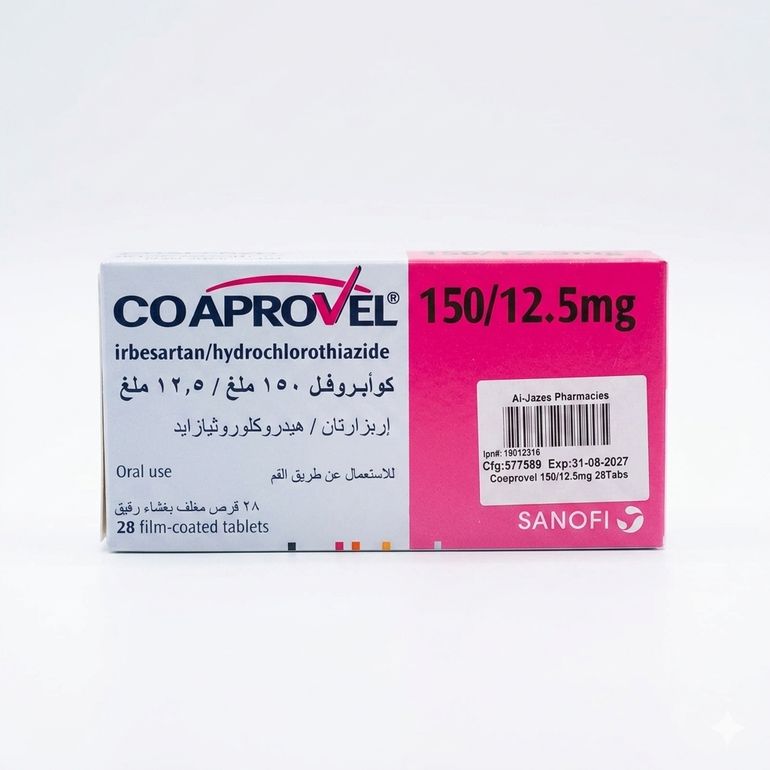
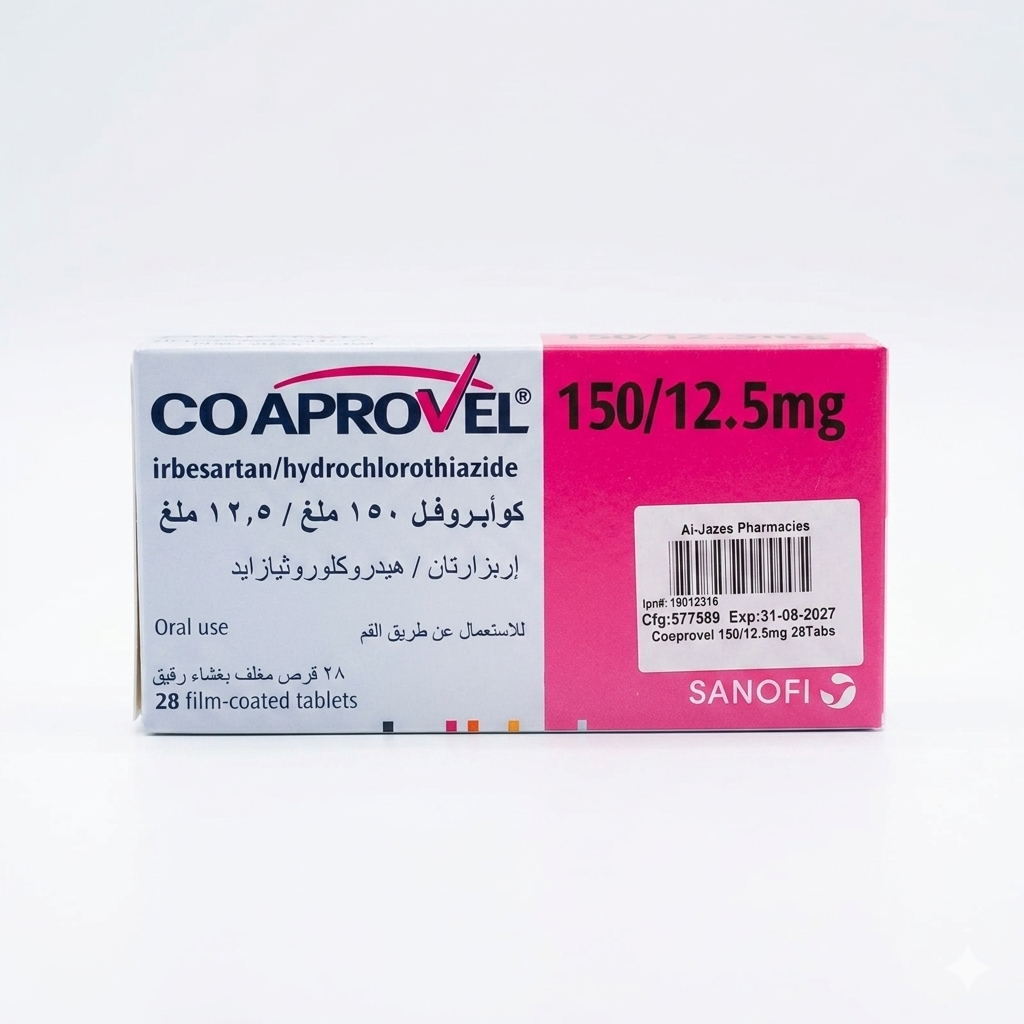
Co-Aprovel 150/12.5 mg is a prescription combination medication indicated for the management of essential hypertension (high blood pressure) in adults. It is specifically formulated for patients whose blood pressure is not adequately controlled by a single antihypertensive agent alone. By combining two distinct pharmacological classes into a single daily dose, Co-Aprovel offers a synergistic approach to reducing systemic vascular resistance and fluid volume overload, helping patients achieve and maintain optimal blood pressure targets recommended by clinical guidelines.
Key Medical Benefits and Therapeutic Value
Effective management of hypertension is critical in reducing long-term cardiovascular morbidity and mortality. Co-Aprovel 150/12.5 mg provides several key clinical benefits:
Dual-Action Blood Pressure Reduction: Combines a blood vessel relaxant and a diuretic to target two independent physiological pathways responsible for elevated blood pressure.
Cardiovascular Risk Mitigation: Sustained blood pressure control significantly lowers the risk of severe complications, including stroke, myocardial infarction (heart attack), heart failure, and chronic kidney disease progression.
Convenience and Compliance: Integrating two active pharmaceutical ingredients into one tablet streamlines the daily medication regimen, which is clinically proven to enhance patient adherence.
Balanced Electrolyte Management: The inclusion of an angiotensin receptor blocker (ARB) helps mitigate some of the potassium-wasting effects typically associated with standalone thiazide diuretics.
Active Ingredients and Mechanism of Action
The clinical efficacy of Co-Aprovel relies on the complementary pharmacodynamics of its two active components:
1. Irbesartan (150 mg)
Pharmacological Class: Angiotensin II Receptor Blocker (ARB).
Mechanism: Irbesartan selectively blocks the binding of angiotensin II—a potent vasoconstrictor peptide—to the AT1 receptors found in vascular smooth muscle and the adrenal glands. By inhibiting this action, irbesartan induces systemic vasodilation, decreases peripheral vascular resistance, and reduces aldosterone secretion, thereby lowering blood pressure.
2. Hydrochlorothiazide (12.5 mg)
Pharmacological Class: Thiazide Diuretic.
Mechanism: Hydrochlorothiazide acts on the distal renal tubules, inhibiting the reabsorption of sodium and chloride ions. This promotes the excretion of sodium, water, and minor amounts of potassium and magnesium (diuresis). Reducing total body fluid volume contributes directly to the lowering of cardiac output and blood pressure.
Usage Instructions and Administration
Dosage: Co-Aprovel should be taken strictly as prescribed by a licensed healthcare provider. The standard adult dosage is typically one tablet administered orally once daily.
Administration: It can be taken with or without food. To maintain consistent therapeutic blood levels, patients should take the medication at approximately the same time each day.
Missed Dose Protocol: If a dose is missed, take it as soon as remembered. However, if it is almost time for the next scheduled dose, skip the missed dose and resume the regular dosing schedule. Do not double doses to make up for a missed one.
Safety Precautions, Warnings, and Contraindications
Because Co-Aprovel 150/12.5 mg is a potent prescription medication, specific safety considerations must be observed:
Pregnancy and Breastfeeding: Co-Aprovel is contraindicated during pregnancy, particularly during the second and third trimesters, as direct-acting agents affecting the renin-angiotensin system can cause injury and death to the developing fetus. Women of childbearing potential should consult their physician regarding alternative treatments if planning a pregnancy. It is also not recommended while breastfeeding.
Hypotension and Dehydration: Patients experiencing excessive fluid loss through severe diarrhea, vomiting, or excessive sweating may experience a precipitous drop in blood pressure upon initiation.
Renal and Electrolyte Monitoring: Regular laboratory monitoring of serum electrolytes (particularly potassium and sodium) and renal function tests (serum creatinine and blood urea nitrogen) is advised during long-term therapy.
Hypersensitivity: Do not use this medication if you have a known hypersensitivity to irbesartan, hydrochlorothiazide, or other sulfonamide-derived drugs.





 Medication