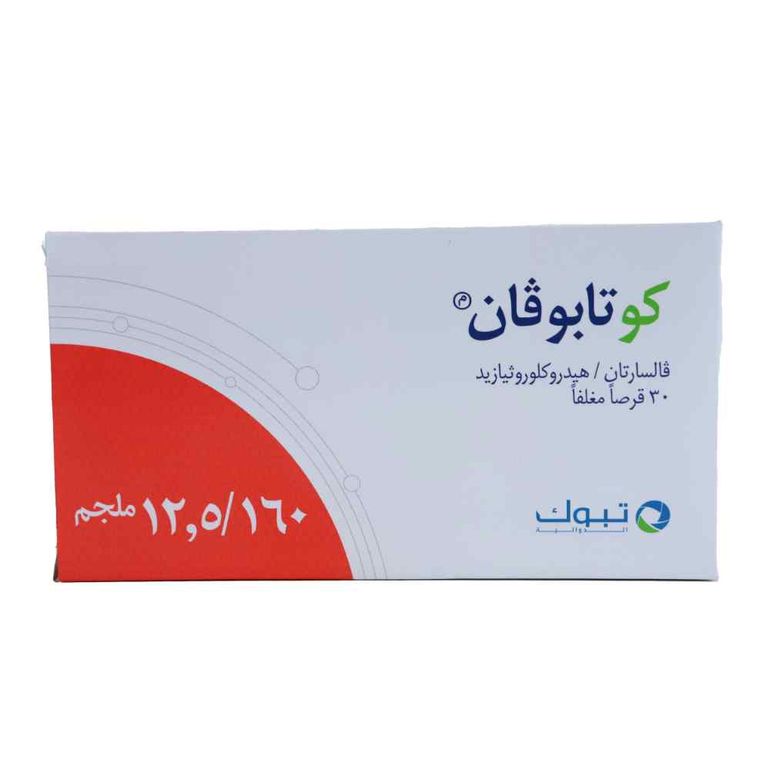
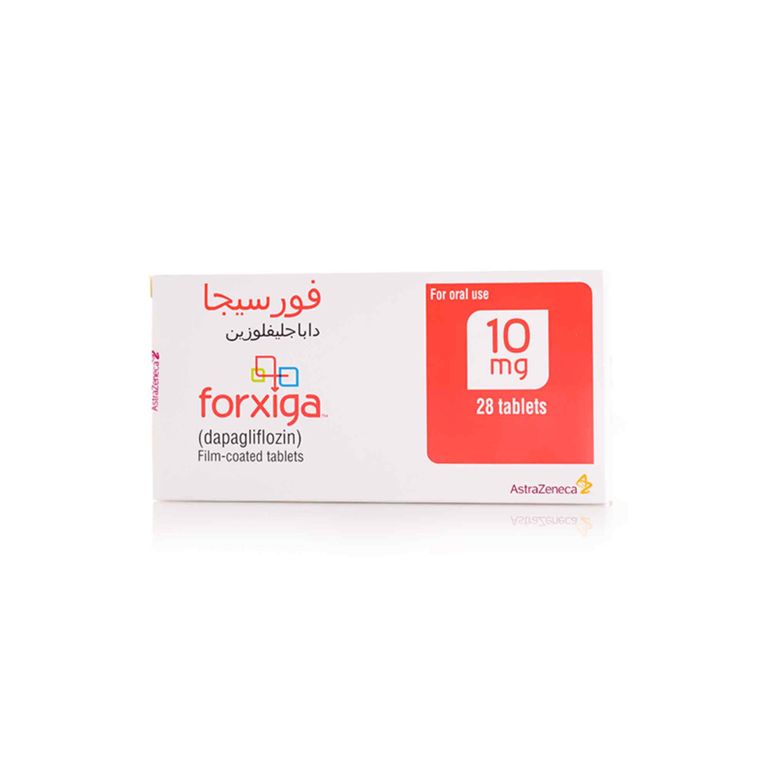
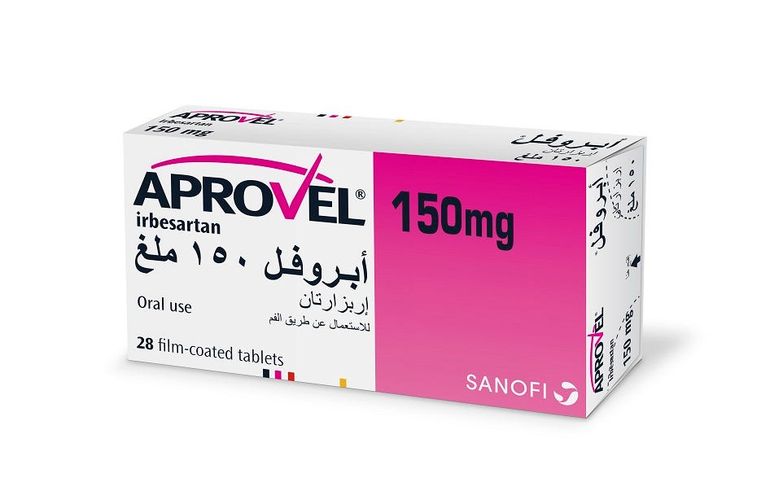
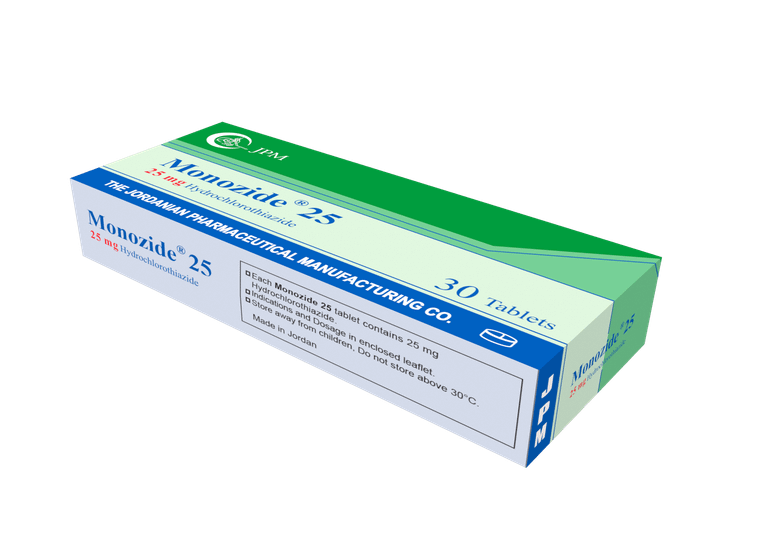
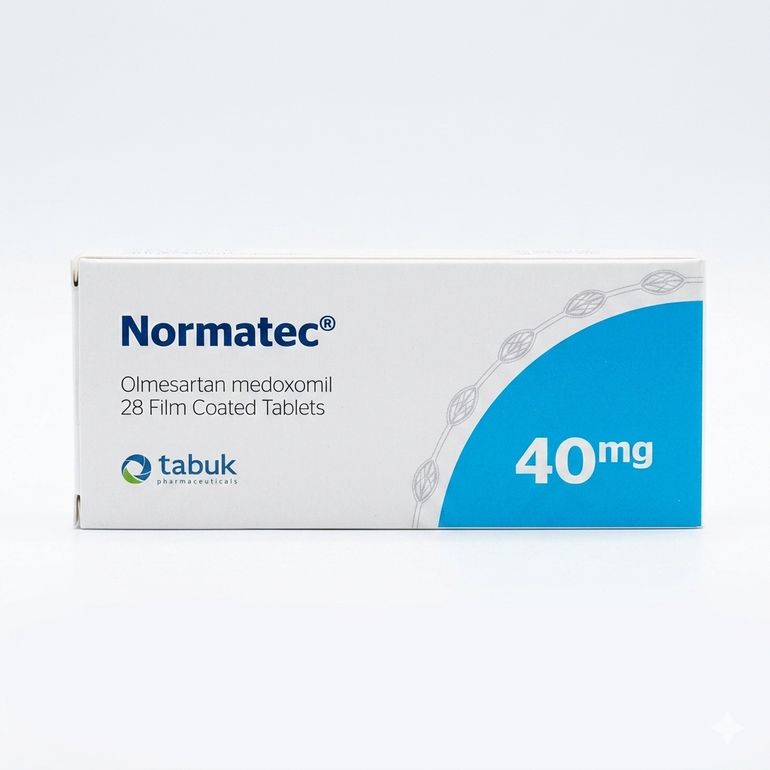
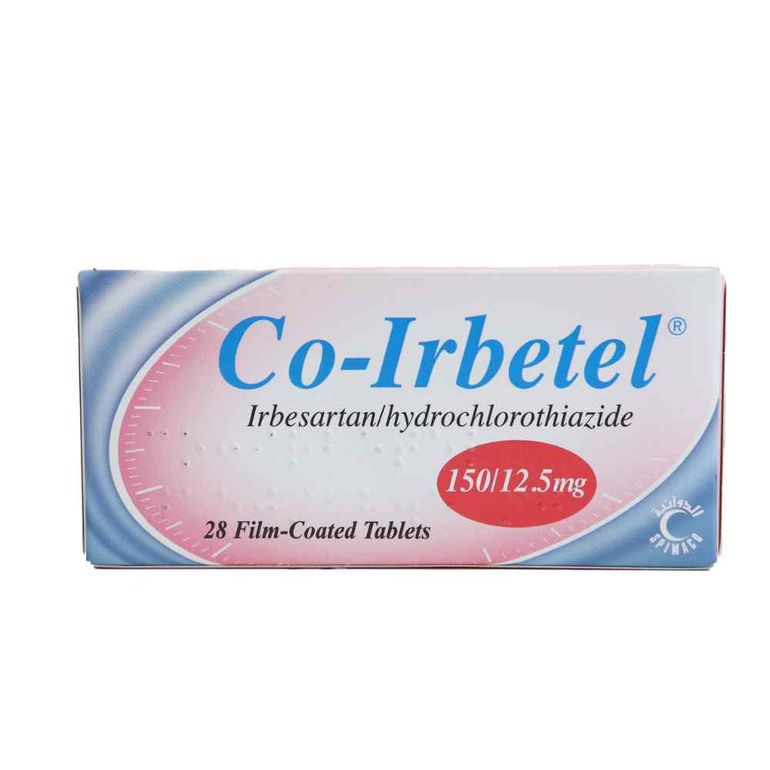
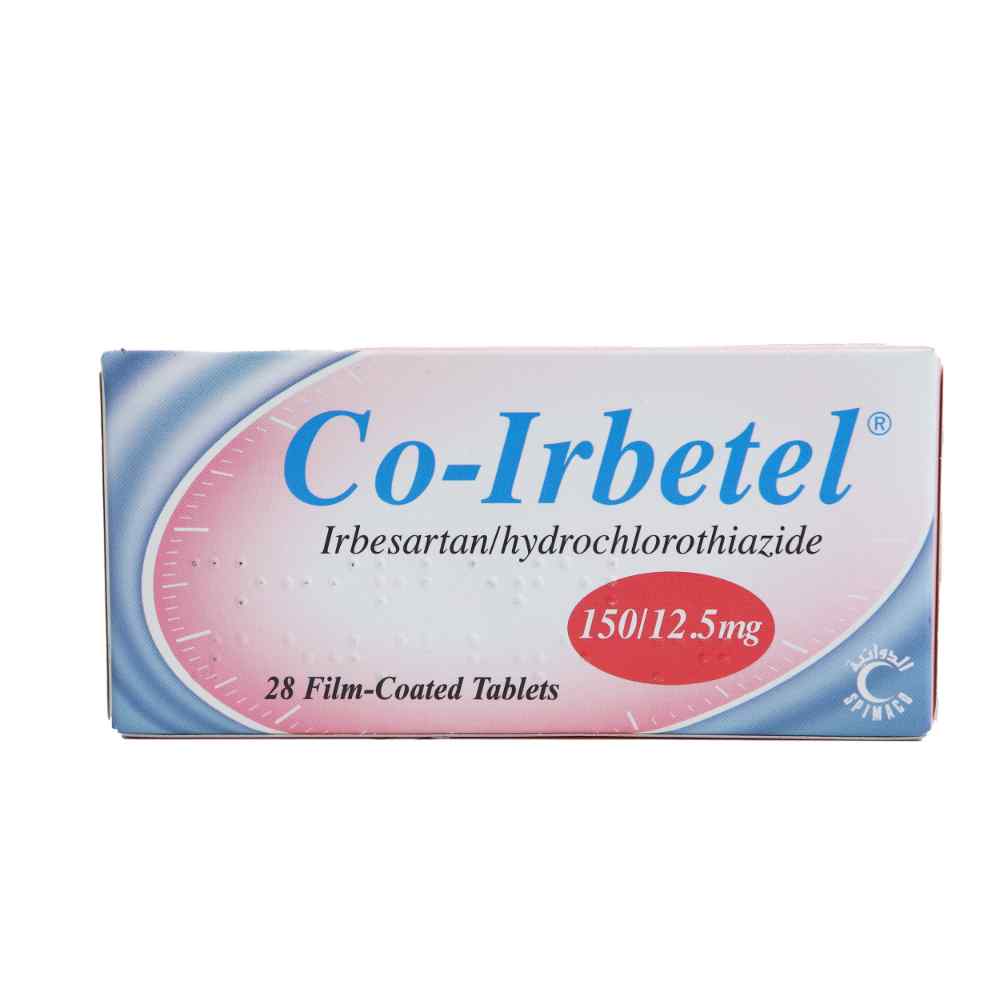
Co-Irbetel 150/12.5 mg is a fixed-dose prescription combination medication formulated for the management of essential hypertension (high blood pressure). Each film-coated tablet combines two active pharmaceutical ingredients with complementary mechanisms of action: Irbesartan, an angiotensin II receptor blocker (ARB), and Hydrochlorothiazide, a thiazide diuretic. This dual-action formulation is typically indicated for adult patients whose blood pressure is not adequately controlled by monotherapy with either agent alone.
Key Medical Benefits & Clinical Value
Managing hypertension is critical for reducing the risk of cardiovascular events, including stroke, myocardial infarction (heart attack), and renal complications. Co-Irbetel provides several distinct therapeutic advantages:
Synergistic Blood Pressure Reduction: Combines a blood vessel relaxant (ARB) with a fluid-reducing agent (diuretic) to achieve a more pronounced reduction in blood pressure than either component administered individually.
Enhanced Adherence: A single-pill daily combination regimen simplifies complex medication schedules for patients requiring multi-drug therapy, improving overall compliance and therapeutic outcomes.
Targeted End-Organ Protection: Helps maintain target blood pressure levels, thereby mitigating long-term strain on the heart, blood vessels, and kidneys.
Active Ingredients & Mechanism of Action
The clinical efficacy of Co-Irbetel 150/12.5 mg relies on the pharmacodynamics of its two active components:
1. Irbesartan (150 mg) – Angiotensin II Receptor Blocker (ARB)
Mechanism: Irbesartan selectively blocks the binding of angiotensin II to AT1 receptors found in vascular smooth muscle and the adrenal glands.
Clinical Effect: By inhibiting this vasoconstrictive pathway, it prevents the tightening of blood vessels and suppresses aldosterone secretion, leading to decreased systemic vascular resistance and lowered blood pressure.
2. Hydrochlorothiazide (12.5 mg) – Thiazide Diuretic
Mechanism: Hydrochlorothiazide acts on the distal renal tubules of the kidneys, inhibiting the reabsorption of sodium and chloride ions.
Clinical Effect: This promotion of sodium and water excretion (diuresis) initially reduces extracellular fluid volume and cardiac output, subsequently contributing to a sustained reduction in peripheral vascular resistance.
Usage Instructions & Administration
Dosage: The standard adult dosage is typically one tablet once daily, taken orally with or without food. The dosage should be individualized based on the patient's clinical response and medical history as evaluated by a physician.
Administration Guidelines: Swallow the tablet whole with a sufficient amount of water. Do not crush, chew, or split the tablet unless explicitly directed by a healthcare professional.
Missed Dose: If a dose is missed, take it as soon as remembered. If it is almost time for the next scheduled dose, skip the missed dose and resume the regular dosing schedule. Do not double the dose to make up for a missed one.
Safety Precautions & Contraindications
Co-Irbetel 150/12.5 mg is a potent prescription medication and must be used under strict medical supervision.
Contraindications
Pregnancy: Do not use during the second and third trimesters of pregnancy, as acting directly on the renin-angiotensin system can cause injury and death to the developing fetus.
Hypersensitivity: Contraindicated in patients with known hypersensitivity to irbesartan, sulfonamide-derived drugs (such as hydrochlorothiazide), or any excipients within the formulation.
Renal/Hepatic Impairment: Contraindicated in patients with anuria or severe renal/hepatic dysfunction.
Warnings & Monitoring
Electrolyte Imbalance: Thiazide diuretics can cause electrolyte disturbances, including hypokalemia, hyponatremia, and hypomagnesemia. Periodic monitoring of serum electrolytes is recommended.
Hypotension: Symptomatic hypotension may occur, particularly in patients who are volume- or salt-depleted due to vigorous diuretic therapy or dietary restriction.
Renal Function: Renal function and serum creatinine levels should be monitored regularly during therapy.
Common Side Effects
While generally well-tolerated, potential side effects may include:
Dizziness or lightheadedness (especially when rising from a seated or lying position)
Fatigue or asthenia
Headache
Nasopharyngitis or upper respiratory tract symptoms





 Medication