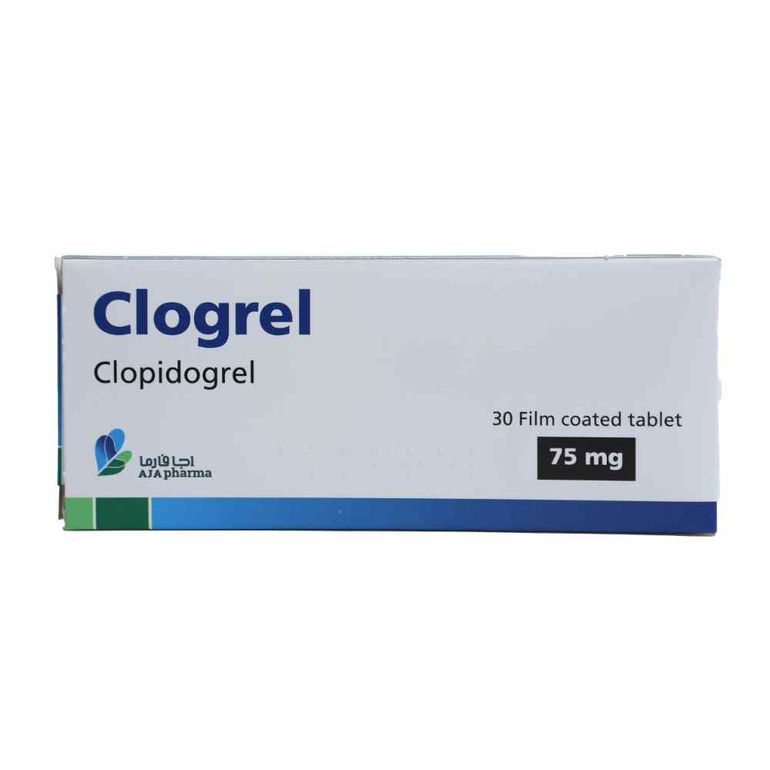
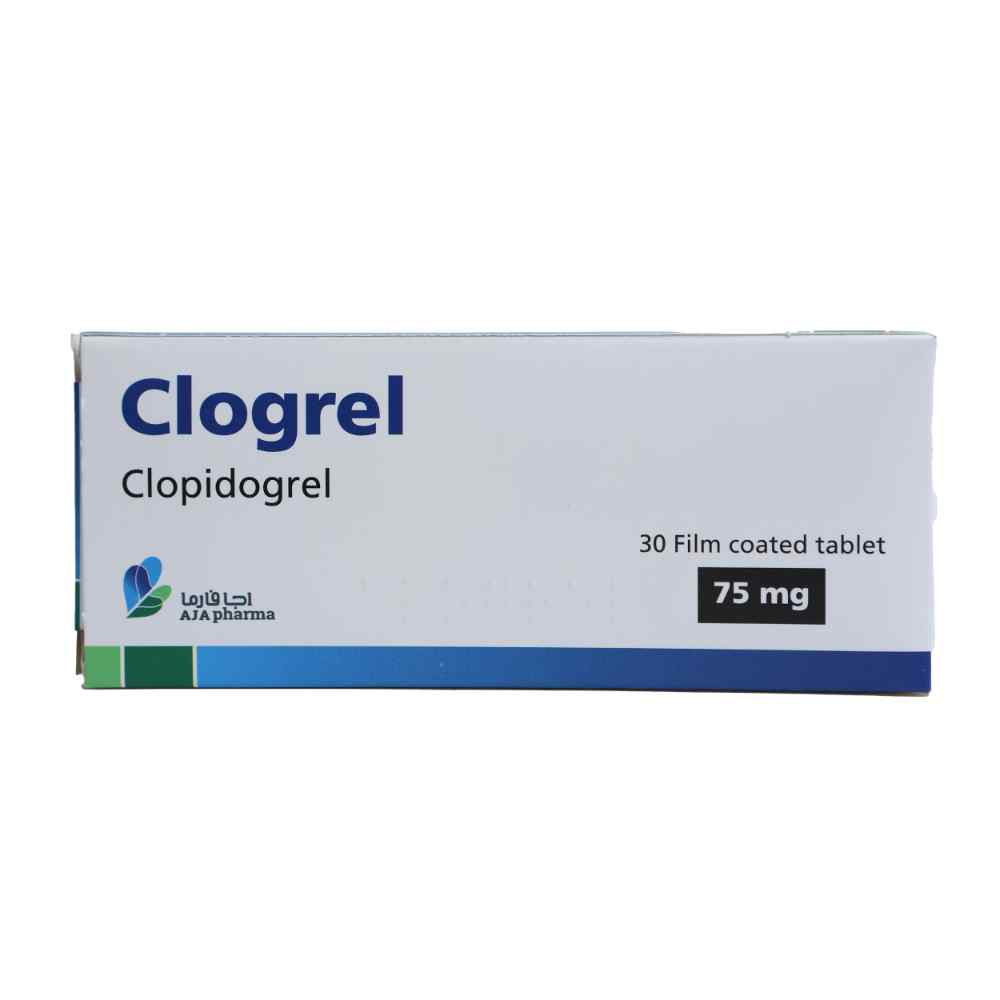
Clogrel 75mg is a prescription antiplatelet agent containing clopidogrel bisulfate as its active pharmaceutical ingredient. Belonging to the thienopyridine class of ADP receptor inhibitors, Clogrel is clinically indicated for the secondary prevention of atherothrombotic events in adult patients.
By inhibiting platelet aggregation, Clogrel plays a critical role in preventing the formation of intravascular thrombi (harmful blood clots) within arterial blood vessels, thereby lowering the incidence of severe vascular complications in patients diagnosed with cardiovascular or cerebrovascular disease.
Key Medical Benefits and Indications
Clogrel 75mg is prescribed to manage and prevent arterial thromboembolic complications across several high-risk clinical populations:
Acute Coronary Syndrome (ACS): Indicated for patients with Non-ST-segment elevation ACS (unstable angina or non-Q-wave myocardial infarction) and ST-segment elevation myocardial infarction (STEMI) to reduce the risk of subsequent cardiac events, often co-administered with acetylsalicylic acid (aspirin).
Recent Myocardial Infarction (MI): Helps prevent secondary ischemic events in patients with a history of recent heart attack.
Recent Ischemic Stroke: Reduces the recurrence of ischemic strokes in individuals with confirmed cerebral vascular events.
Established Peripheral Arterial Disease (PAD): Improves outcomes and prevents arterial thrombosis in patients suffering from symptomatic peripheral arterial disease.
Post-Percutaneous Coronary Intervention (PCI): Decreases the risk of stent thrombosis following coronary artery stenting procedures.
Active Ingredient and Mechanism of Action
Active Ingredient: Clopidogrel Bisulfate (equivalent to 75mg of clopidogrel base per film-coated tablet).
Pharmacological Mechanism:
Clopidogrel is an inactive prodrug that requires hepatic biotransformation via the cytochrome P450 (CYP450) enzyme system to form its active thiol metabolite.
ADP Receptor Antagonism: The active metabolite selectively and irreversibly binds to the P2Y12 adenosine diphosphate (ADP) receptor located on the surface of blood platelets.
Inhibition of Activation: Binding prevents ADP from binding to the receptor, thereby blocking the downstream activation of the glycoprotein GPIIb/IIIa complex.
Prevention of Aggregation: By inactivating this receptor complex, platelets are unable to bind to fibrinogen or adhere to one another. Because the binding is irreversible, affected platelets remain inhibited for the remainder of their normal lifespan (approximately 7 to 10 days).
Dosage and Administration Guidelines
Proper administration is essential to maintain steady therapeutic antiplatelet activity while minimizing risks:
Standard Dosage: The typical maintenance dose for secondary prevention is 75mg taken orally once daily.
Loading Dose: In certain acute conditions (such as Acute Coronary Syndrome or post-PCI), a physician may initiate treatment with a single 300mg loading dose followed by the daily 75mg maintenance regimen.
Administration: Tablets should be swallowed whole with a glass of water. Clogrel may be taken with or without food.
Consistency: The medication should be administered at approximately the same time every day to ensure consistent therapeutic blood levels. Do not discontinue treatment abruptly unless explicitly instructed by a cardiologist or managing physician.
Safety Precautions, Contraindications, and Interactions
Due to its mechanism of action, clopidogrel alters hemostasis and requires clinical supervision during use.
Contraindications
Active Bleeding: Hypersensitivity to clopidogrel or any inactive ingredients. Contraindicated in patients with active pathological bleeding, such as peptic ulcer disease or intracranial hemorrhage.
Severe Hepatic Impairment: Severe liver impairment that may increase bleeding risk or affect prodrug metabolism.
Clinical Warnings & Precautions
Bleeding Risk: Patients should be monitored for signs of active bleeding, including easy bruising, nosebleeds, dark or tarry stools, and bloody urine.
Surgical Procedures: Clogrel must generally be discontinued 5 to 7 days prior to elective surgery or dental procedures to minimize the risk of excessive perioperative bleeding, as advised by the surgical team.
CYP2C19 Poor Metabolizers: Patients with reduced CYP2C19 function may metabolize clopidogrel less efficiently, resulting in diminished antiplatelet response and higher cardiovascular risk. Genetic testing or alternative antiplatelet therapies may be considered by the prescribing doctor.
Key Drug Interactions
Proton Pump Inhibitors (PPIs): Concomitant use of strong or moderate CYP2C19 inhibitors (such as omeprazole or esomeprazole) significantly reduces the formation of clopidogrel's active metabolite, lowering its clinical efficacy. Alternative acid-suppressive agents like pantoprazole or H2-receptor antagonists are generally preferred.
Anticoagulants & NSAIDs: Co-administration with oral anticoagulants (e.g., warfarin, direct oral anticoagulants) or nonsteroidal anti-inflammatory drugs (NSAIDs like ibuprofen or naproxen) substantially increases the risk of gastrointestinal bleeding.





 Medication