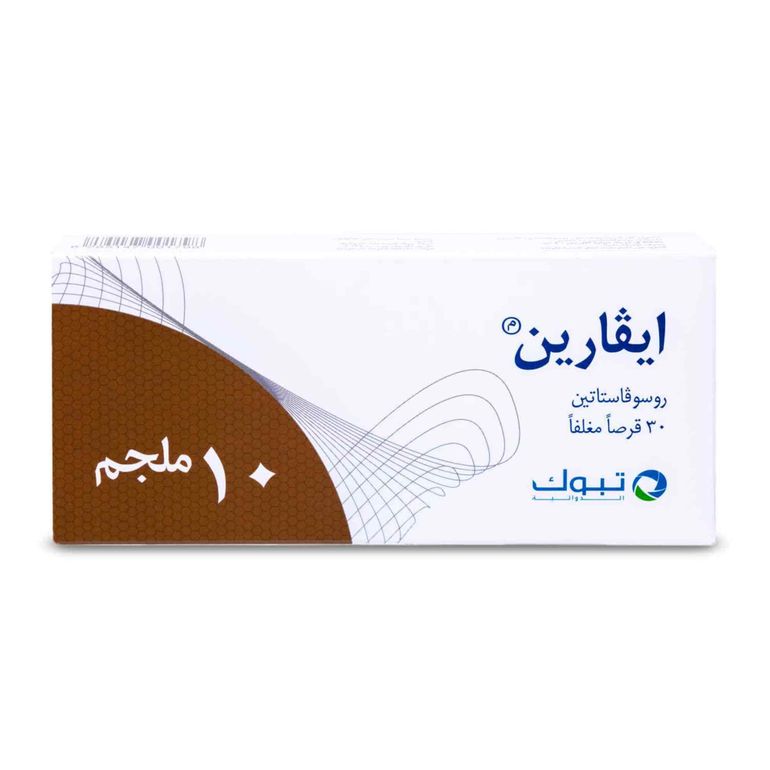
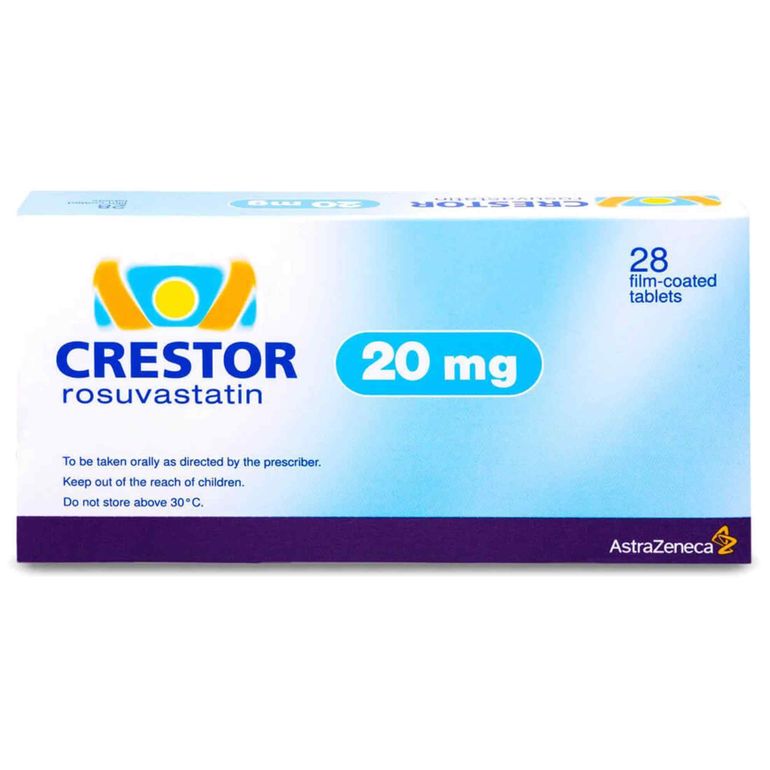
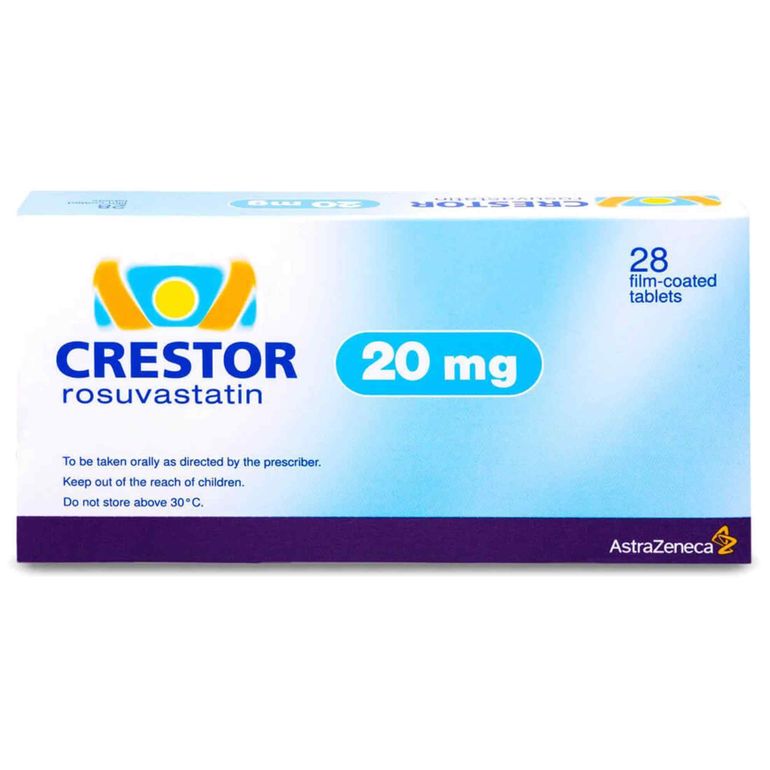
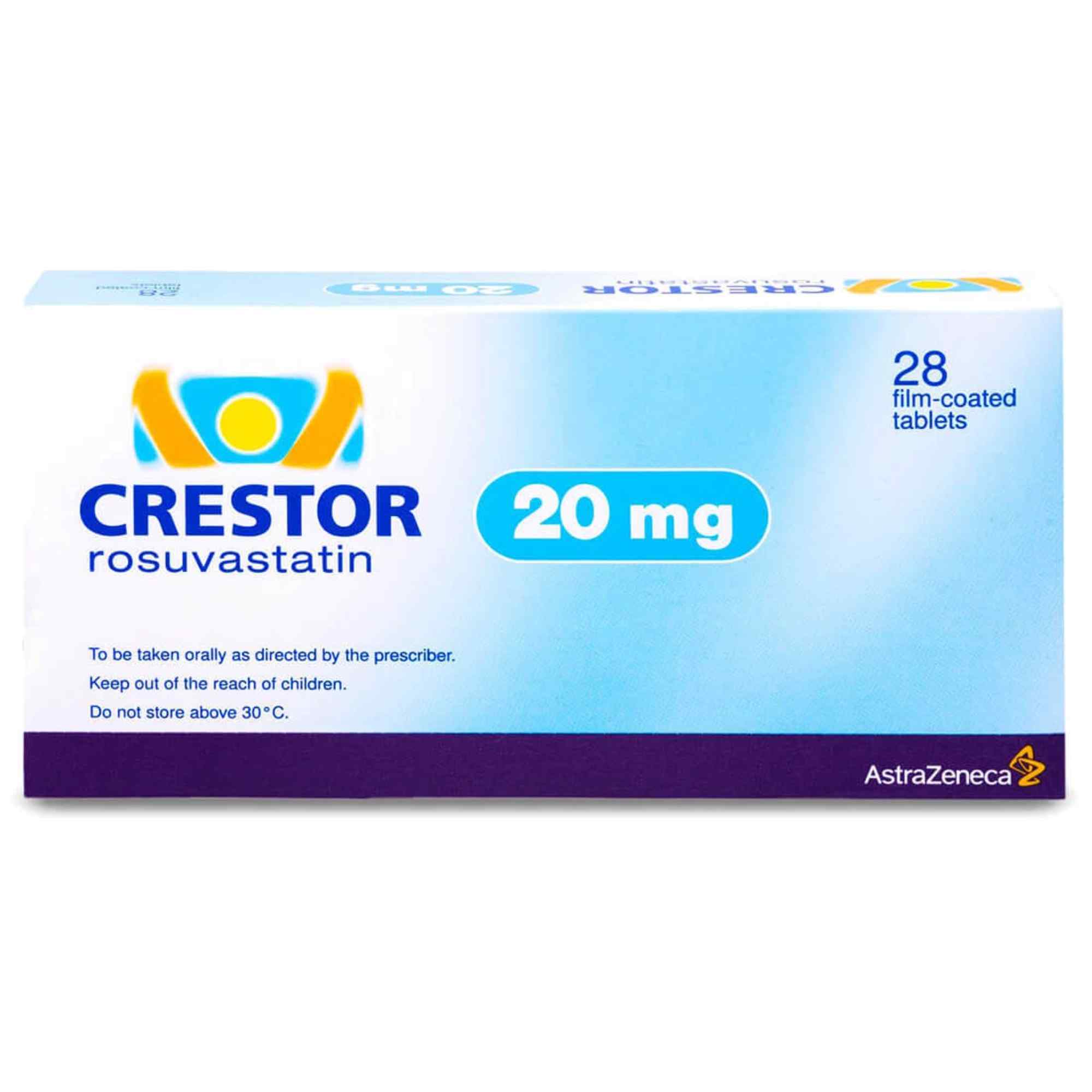
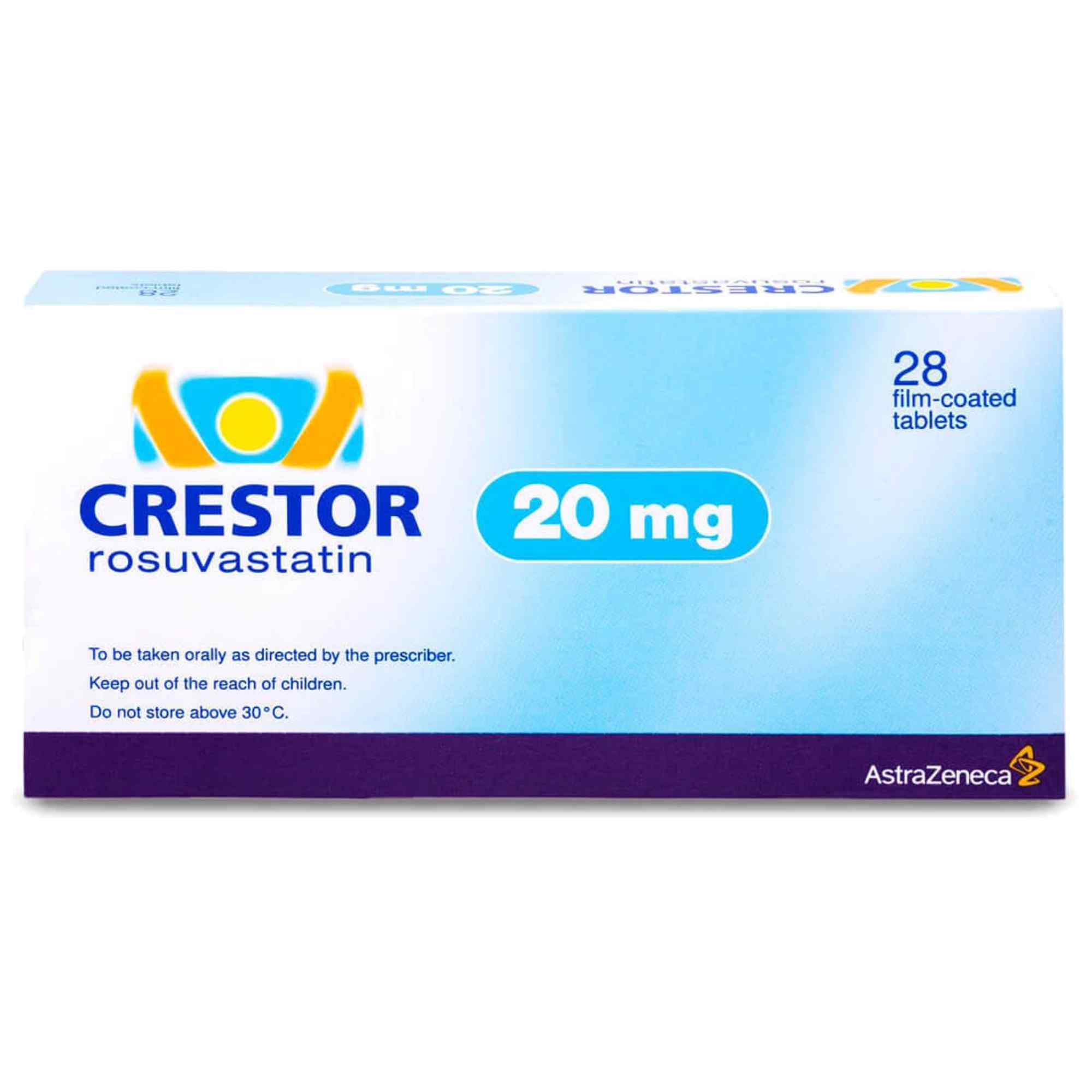
Crestor 20 mg is a lipid-regulating prescription medication formulated to treat primary hyperlipidemia, mixed dyslipidemia, and hypertriglyceridemia in adult patients. It contains Rosuvastatin (as rosuvastatin calcium), a synthetic lipid-lowering agent belonging to the statin (HMG-CoA reductase inhibitor) class.
In conjunction with a medically supervised diet and lifestyle modifications, Crestor 20 mg is indicated to reduce elevated levels of total cholesterol, low-density lipoprotein cholesterol (LDL-C), apolipoprotein B (ApoB), and non-high-density lipoprotein cholesterol (non-HDL-C), while simultaneously increasing high-density lipoprotein cholesterol (HDL-C). Additionally, it is prescribed as a primary or secondary preventive therapy to slow the progression of atherosclerosis and reduce cardiovascular event risks in high-risk individuals.
Active Ingredients & Mechanism of Action
Active Ingredient Profile
Rosuvastatin Calcium (20 mg per tablet): A potent, selective, and competitive inhibitor of 3-hydroxy-3-methylglutaryl-coenzyme A (HMG-CoA) reductase, the rate-limiting enzyme responsible for converting HMG-CoA to mevalonate, a precursor of cholesterol.
Physiological Mechanism
Hepatic Cholesterol Synthesis Inhibition: Rosuvastatin acts primarily in the liver, the principal site for cholesterol synthesis and LDL clearing. By inhibiting HMG-CoA reductase, it decreases intrahepatic cholesterol concentrations.
Upregulation of LDL Receptors: The depletion of hepatic cholesterol triggers an increase in the expression of cell-surface LDL receptors on hepatocytes. This enhances the uptake and catabolism of circulating LDL particles from the bloodstream.
Reduction of VLDL Production: Rosuvastatin inhibits hepatic synthesis of very low-density lipoprotein (VLDL), thereby decreasing the overall plasma levels of VLDL and circulating triglycerides.
Plaque Stabilization & Vascular Health: Beyond lipid modulation, rosuvastatin exhibits pleiotropic properties, improving endothelial function, stabilizing atherosclerotic plaques, and exerting anti-inflammatory effects within arterial walls.
Key Medical Indications & Clinical Benefits
Management of Dyslipidemia: Indicated for adults with primary hypercholesterolemia (heterozygous familial and nonfamilial) or mixed dyslipidemia (Fredrickson Type IIa and IIb) as an adjunct to diet when response to diet and exercise is inadequate.
Treatment of Severe Hypertriglyceridemia: Effectively lowers elevated serum triglyceride levels (Fredrickson Type IV).
Homozygous Familial Hypercholesterolemia (HoFH): Serves as an adjunct to other lipid-lowering treatments (such as LDL apheresis) or when such treatments are unavailable.
Cardiovascular Risk Reduction: Indicated to lower the risk of stroke, myocardial infarction (heart attack), and arterial revascularization procedures in individuals without clinical evidence of coronary heart disease but with an increased risk profile based on age, high-sensitivity C-reactive protein (hsCRP) levels, or presence of cardiovascular risk factors.
Slowing Progression of Atherosclerosis: Helps delay structural plaque accumulation in coronary and carotid arteries.
Usage Instructions & Dosage Protocol
Important: Crestor is a prescription-only medicine. Treatment must be initiated and monitored under the supervision of a licensed healthcare professional.
Standard Administration: Take one 20 mg tablet once daily. The tablet should be swallowed whole with water and can be taken at any time of day, with or without food. Maintain a consistent daily time for administration.
Dietary Compliance: Patients must remain on a standard cholesterol-lowering diet before starting Crestor 20 mg and continue this diet throughout the treatment duration.
Dose Adjustments & Monitoring: Lipid levels should be analyzed within 2 to 4 weeks after initiating therapy to allow for appropriate clinical assessment by the physician.
Missed Dose Protocol: If a dose is missed, take the next scheduled dose at the normal time. Do not take a double dose to compensate for a missed tablet.
Safety Precautions, Warnings & Contraindications
Absolute Contraindications
Active Liver Disease: Contraindicated in patients with active hepatic disease, including unexplained, persistent elevations of serum transaminases.
Pregnancy and Lactation: Contraindicated during pregnancy, when attempting to conceive, or while breastfeeding. Atherosclerotic progression is not critical during pregnancy, and cholesterol derivatives are essential for fetal development.
Hypersensitivity: Known hypersensitivity to rosuvastatin or any of the inactive tablet excipients.
Severe Renal Impairment: Contraindicated in patients with severe renal impairment (creatinine clearance less than 30 mL/min).
Warnings & Clinical Precautions
Myopathy & Rhabdomyolysis: Statins can occasionally cause skeletal muscle effects, ranging from benign myalgia to rare, severe rhabdomyolysis. Patients should immediately report unexplained muscle pain, tenderness, or weakness, particularly if accompanied by malaise or fever.
Hepatic Monitoring: Liver function tests (ALT/AST) should be performed prior to initiating therapy and as clinically indicated thereafter.
Concomitant Medications: Caution and dosage adjustments are necessary when co-administered with medications that increase rosuvastatin plasma concentrations, including ciclosporin, certain protease inhibitors (e.g., HIV or Hepatitis C antivirals), and gemfibrozil.
Antacid Interaction: Simultaneous administration with aluminum and magnesium hydroxide antacids reduces rosuvastatin plasma concentration. Antacids should be administered at least 2 hours after Crestor.
Product Specifications & Storage
Dosage Form: Film-coated tablets.
Packaging: 28 tablets in calendar blister packs.
Storage Requirements: Store in original packaging below 30°C (86°F). Protect from light and excessive moisture. Keep out of reach of children.





 Medication