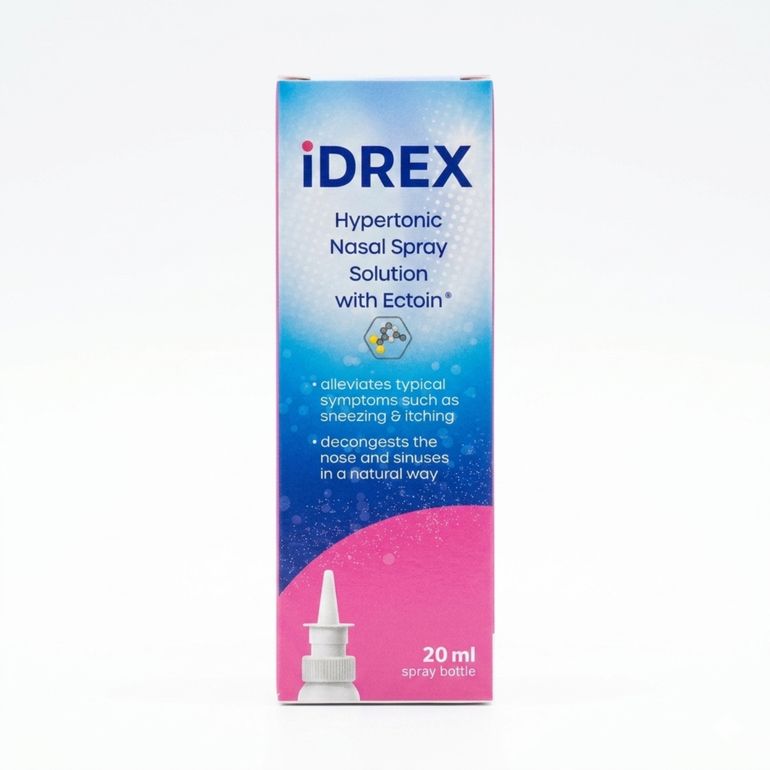
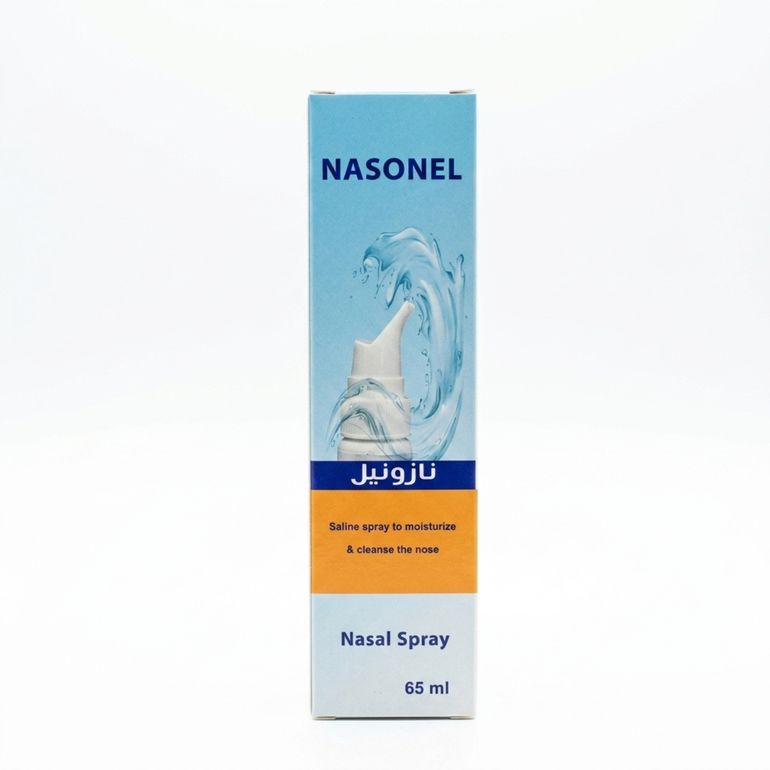
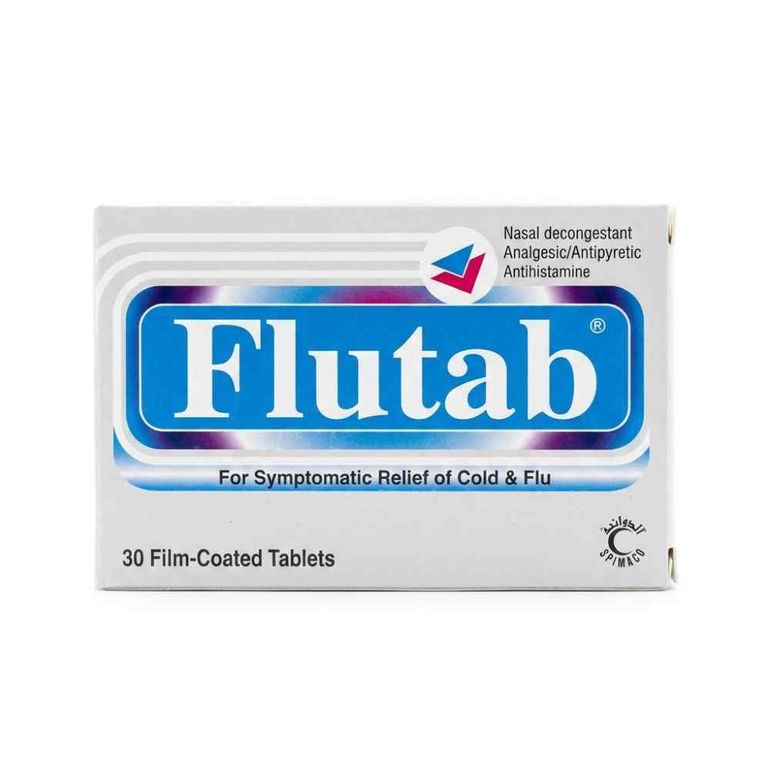
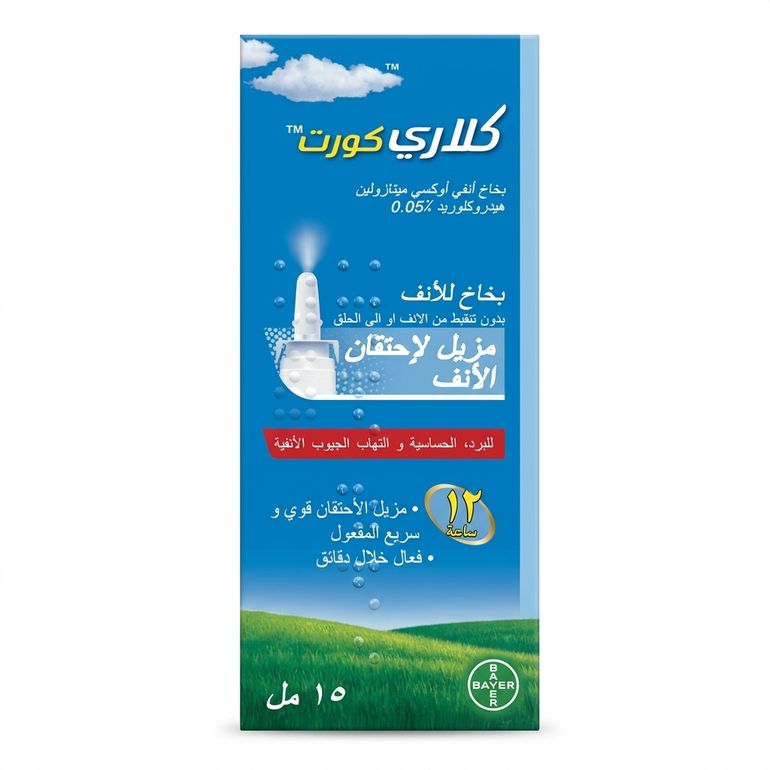
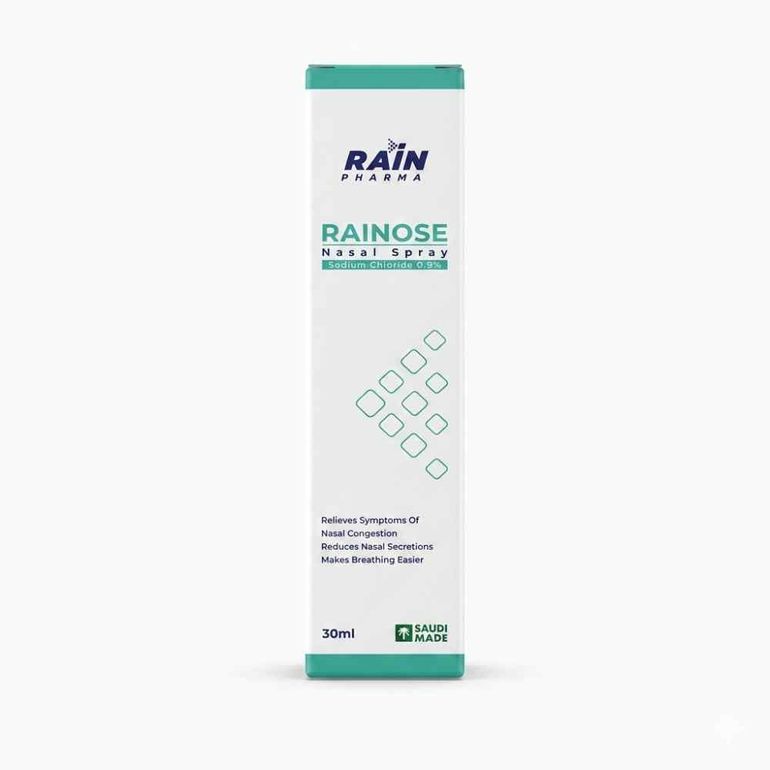
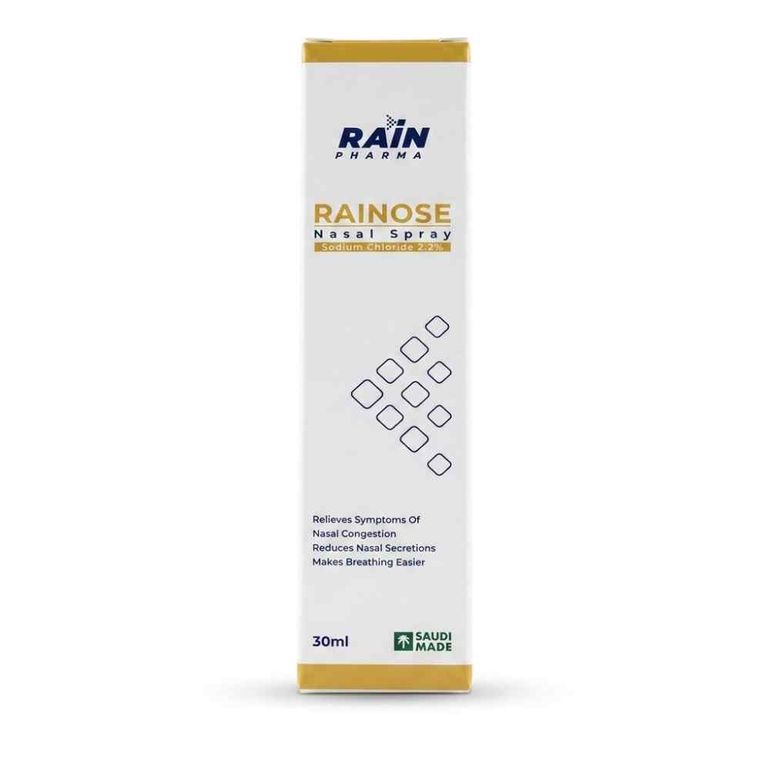
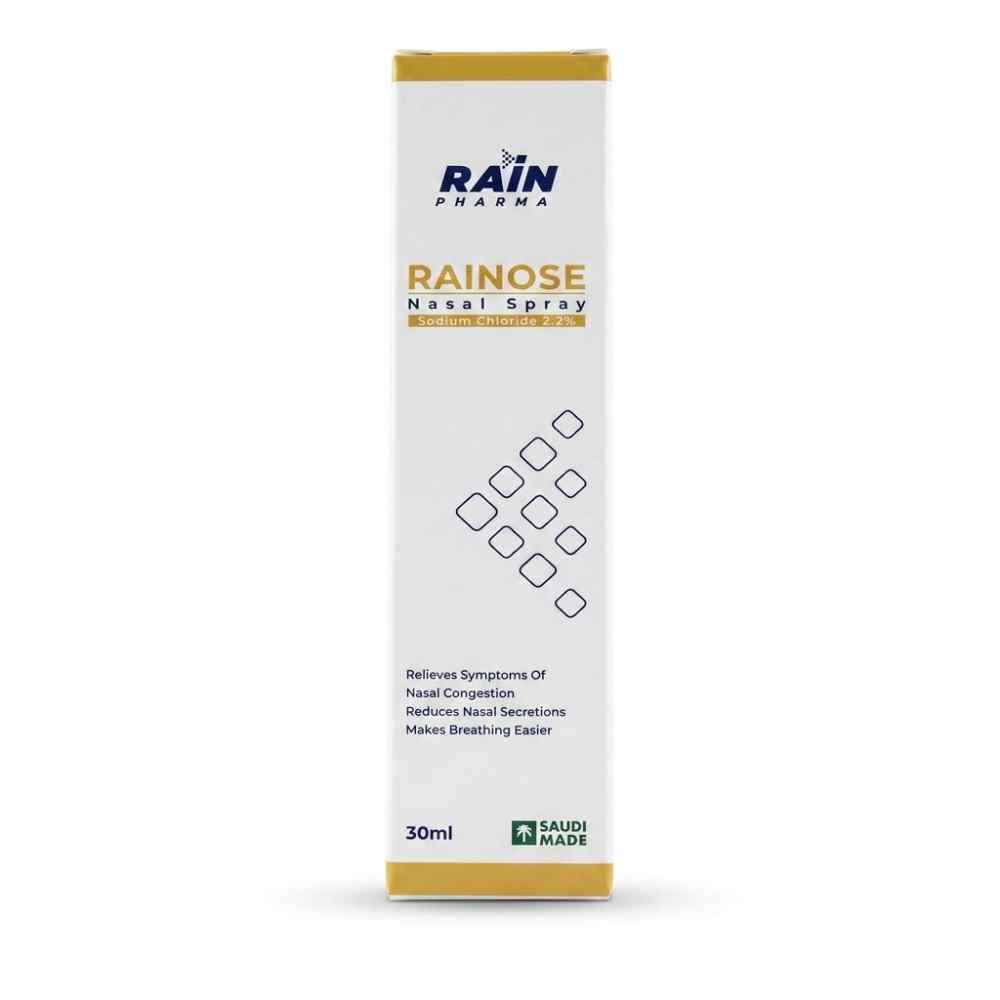
Rainose Hypertonic 2.2% Nasal Spray is a clinical-grade hypertonic saline solution designed for the symptomatic management of nasal congestion and rhinopharyngeal inflammation. By utilizing a concentration higher than that of the human body’s physiological fluids, this spray provides a non-pharmacological mechanism to address obstruction in the nasal passages. It is indicated for use in cases of acute or chronic rhinitis, sinusitis, and respiratory congestion triggered by common colds, allergic rhinitis, or exposure to environmental pollutants.
Key Medical Benefits and Clinical Value
1. Reduction of Nasal Mucosa Edema
The primary clinical benefit of a 2.2% hypertonic solution is its ability to reduce inflammation of the nasal mucosa. By creating an osmotic gradient, the solution draws excess interstitial fluid out of the swollen tissue cells. This physiological process effectively shrinks swollen blood vessels and tissues within the nasal passage, facilitating an immediate increase in airway patency.
2. Management of Hypersecretion
In conditions characterized by excessive mucus production—such as viral rhinosinusitis—mucus can become viscous and difficult to clear, leading to secondary obstruction of the sinuses. Rainose Hypertonic Spray thins these secretions, making it easier for the body to naturally clear the nasal cavities and reducing the stagnation that can contribute to bacterial growth.
3. Improvement of Ciliary Function
Continuous congestion can impair the efficiency of the cilia (the microscopic hair-like structures that line the nasal passages). By restoring a cleaner, less obstructed environment, the spray supports the natural clearance mechanism of the respiratory tract, helping to alleviate symptoms of post-nasal drip and localized pressure.
Ingredients and Mechanism of Action
Hypertonic Formulation (2.2% Sodium Chloride)
Rainose is formulated with a precise 2.2% concentration of sodium chloride. Unlike isotonic saline (0.9%), which only provides hydration, a 2.2% hypertonic solution exerts osmotic pressure to provide therapeutic relief from congestion.
Mode of Action:
Osmotic Drainage: Through osmotic action, the solution encourages fluid to move from the congested, swollen mucosa into the nasal cavity, where it can be removed easily.
Non-Pharmacological Relief: Because this product functions through physical rather than chemical means, it does not lead to "rebound congestion" (rhinitis medicamentosa), a common risk associated with long-term use of medicated vasoconstrictor sprays.
Sterility and Safety: The solution is designed to be free from chemical preservatives that may otherwise irritate or damage the delicate ciliated epithelium of the nasal lining.
Usage Instructions and Safety Precautions
Clinical Administration Guidelines
For optimal therapeutic outcomes, administration should follow these steps:
Hygiene: Ensure hands are sanitized before handling the applicator.
Application: Position the head slightly forward. Insert the nozzle into the nostril and apply a firm, single press to the pump to release the spray. Repeat in the opposite nostril if required.
Clearing: Allow the solution to remain in the nasal passage for several seconds to enable the osmotic effect before gently blowing the nose to expel the thinned mucus.
Maintenance: Clean the nozzle with warm water or a medical-grade disinfectant wipe after each use to prevent bacterial contamination of the bottle.
Safety Precautions
Patient Suitability: While hypertonic solutions are generally well-tolerated, they may cause a brief, temporary sensation of stinging upon application due to the osmotic concentration.
Duration of Use: While the product is free from medicated vasoconstrictors, consult a healthcare provider if symptoms of congestion persist beyond 7–10 days, as this may indicate an underlying condition requiring professional medical evaluation.
Storage: Maintain the product in a cool, dry place (below 25°C). Do not freeze. Ensure the cap is replaced securely to maintain the sterility of the solution.
Consultation: Patients with recent nasal surgery or those with specific chronic respiratory health conditions should seek the advice of an otolaryngologist before initiating use.





 Brands