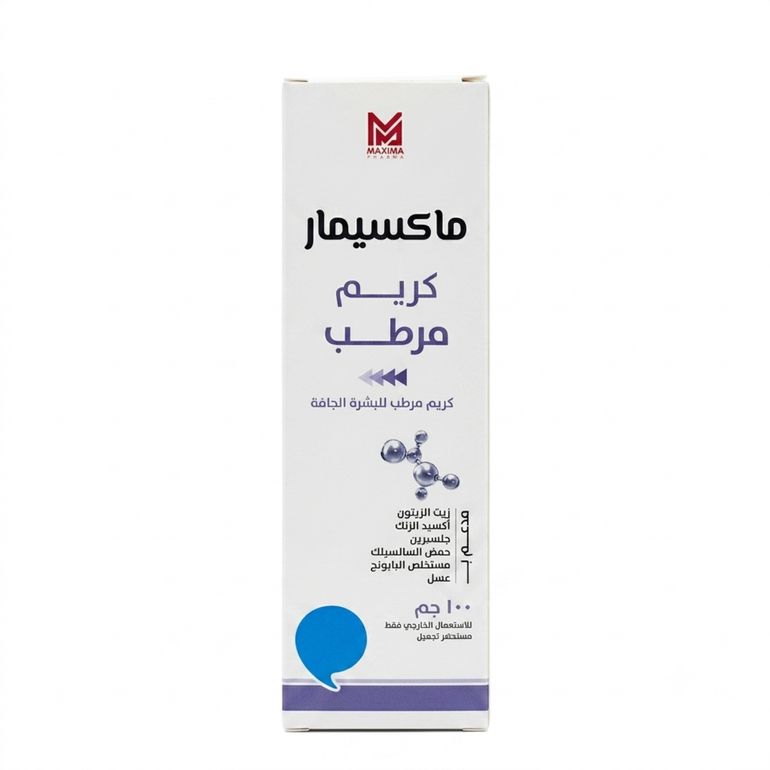
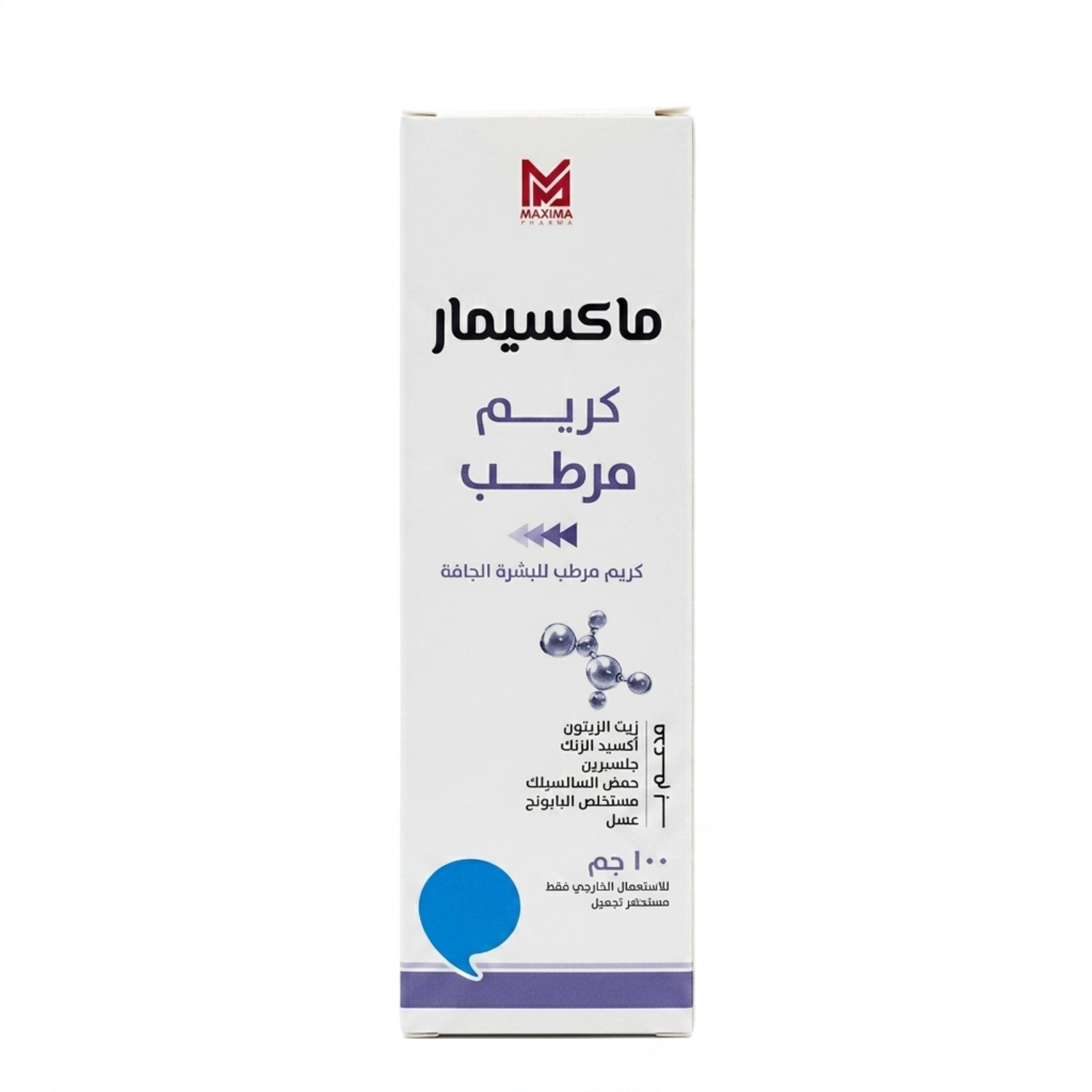
Maximar Emollient Cream (100g) is a specialized dermatological formulation designed to provide intensive hydration and barrier restoration for individuals suffering from chronically dry, sensitive, or eczema-prone skin (atopic dermatitis). This topical therapeutic agent functions by mimicking the skin's natural lipid structure, thereby alleviating transepidermal water loss (TEWL) and reducing the inflammatory response associated with a compromised cutaneous barrier. It is clinically indicated for use as a primary emollient treatment in daily dermatological management protocols.
Key Medical Benefits and Clinical Value
1. Restoration of the Cutaneous Barrier
Severely dry and eczema-prone skin is characterized by a deficiency in essential fatty acids and lipids. Maximar Emollient Cream serves as a protective lipid-replenishing agent that physically repairs the disrupted stratum corneum. By fortifying this barrier, the cream prevents the penetration of environmental allergens and irritants that typically trigger eczematous flares.
2. Management of Pruritus (Itching)
Atopic skin is highly susceptible to the itch-scratch cycle, which exacerbates inflammation and increases the risk of secondary bacterial infections (such as Staphylococcus aureus colonization). Maximar provides immediate soothing properties that modulate the sensation of pruritus, promoting skin rest and tissue recovery.
3. Sustained Deep Hydration
Unlike standard cosmetic moisturizers, this emollient uses humectant and occlusive technologies to trap moisture within the deeper layers of the epidermis. This sustained hydration profile is critical for maintaining skin suppleness and preventing the fissuring and scaling typical of xerosis (pathological dryness).
Ingredients and Mechanism of Action
Formulation Strategy
Maximar Emollient Cream utilizes a non-comedogenic, fragrance-free, and hypoallergenic base. The mechanism of action is rooted in the synergistic effect of its core components:
Lipid-Replenishing Complex: Formulated with long-chain fatty acids and skin-identical lipids, the cream replaces depleted oils, effectively restoring the skin's cohesive structure.
Humectant Agents: Advanced humectants draw environmental moisture into the epidermis, ensuring continuous rehydration throughout the day.
Protective Occlusives: These ingredients create a breathable, non-occlusive film on the skin surface, significantly reducing the rate of transepidermal water loss.
Anti-Inflammatory Excipients: The formulation is free from common sensitizers, parabens, and alcohols, ensuring that even hyper-reactive or inflamed skin is protected from further irritation.
Usage Instructions and Safety Precautions
Clinical Application Protocol
For optimal dermatological management, follow these clinical guidelines:
Preparation: Cleanse the affected area using a gentle, soap-free pH-balanced cleanser. Pat the skin dry with a sterile towel, ensuring it remains slightly damp to enhance absorption.
Application: Dispense a sufficient quantity of Maximar Emollient Cream onto the palm. Apply liberally to the affected surfaces, using a gentle, circular motion. Avoid aggressive rubbing, which can induce further mechanical irritation.
Frequency: For chronic conditions, apply at least twice daily. During acute flare-ups of eczema, increase frequency as directed by a dermatologist to maintain the skin barrier integrity.
Safety Precautions
Patch Testing: For patients with extremely sensitive or damaged skin, it is recommended to perform a patch test on a small area (such as the inner forearm) to monitor for individual reactions before full-body application.
Contraindications: Do not apply to weeping or infected lesions. If signs of a secondary infection (e.g., pus, extreme heat, or spreading erythema) occur, discontinue use and consult a healthcare professional.
Storage: Maintain the product in a cool, dry environment (below 25°C). Ensure the tube remains tightly sealed to prevent contamination.
Pediatric Use: Suitable for use on pediatric patients, provided there is no history of specific excipient hypersensitivity.





 Brands