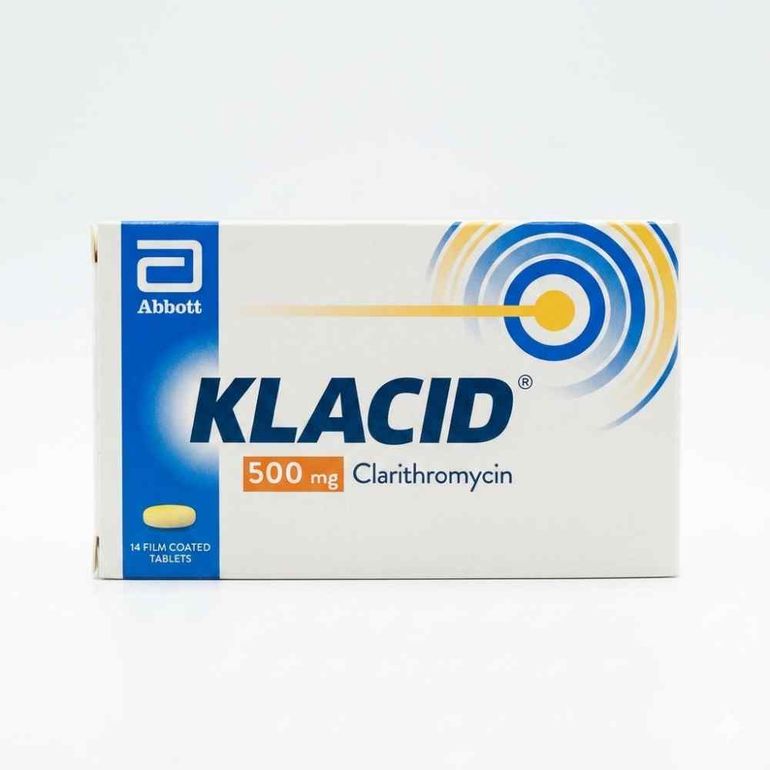
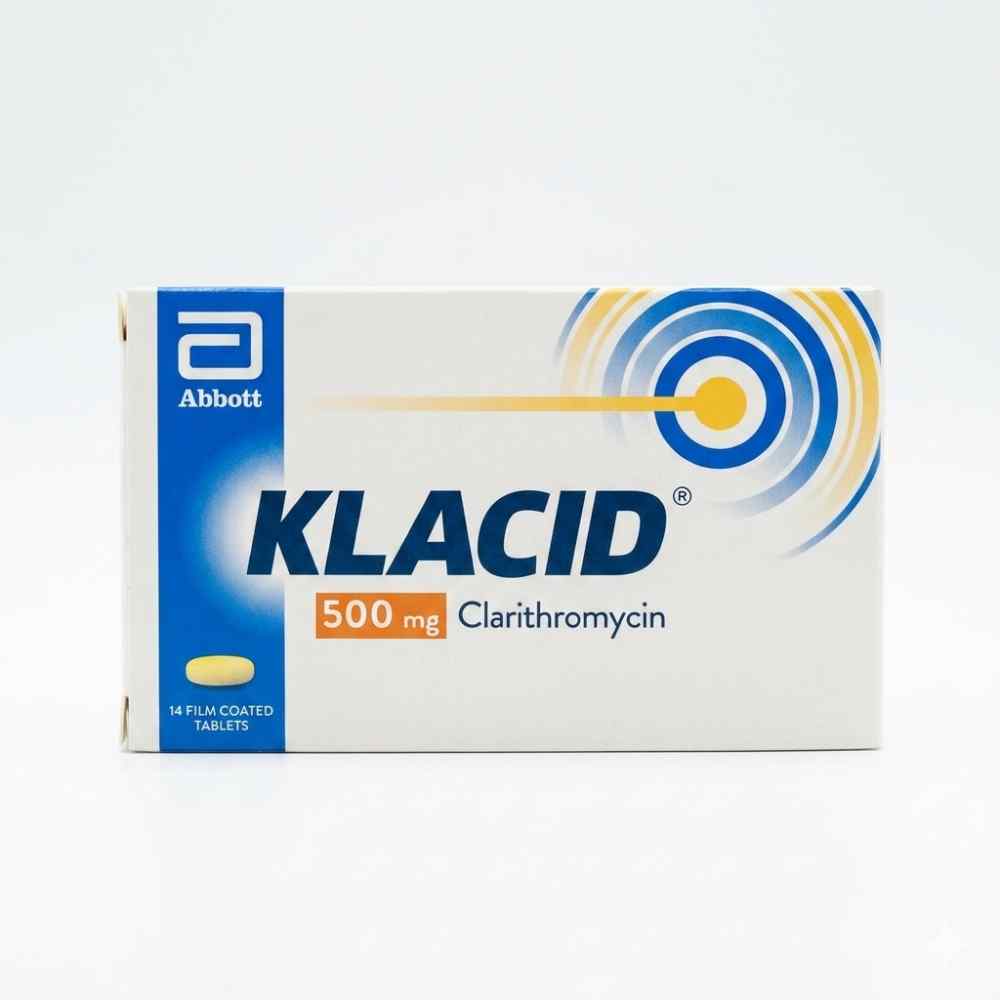
Klacid 500 mg is a prescription-only, broad-spectrum macrolide antibiotic containing the active pharmaceutical ingredient Clarithromycin. This medication is clinically indicated for the treatment of mild-to-moderate systemic bacterial infections caused by susceptible micro-organisms.
Key Medical Benefits & Clinical Value
1. Eradication of Respiratory Tract Pathogens
Klacid 500 mg demonstrates high clinical efficacy against common respiratory pathogens, including Streptococcus pneumoniae, Haemophilus influenzae, and atypical organisms such as Mycoplasma pneumoniae. It is routinely prescribed to resolve acute bacterial exacerbations of chronic bronchitis, community-acquired pneumonia (CAP), acute maxillary sinusitis, and streptococcal pharyngitis/tonsillitis.
2. Resolution of Skin and Soft Tissue Infections
This macrocyclic formulation effectively permeates cutaneous tissues to eradicate localized bacterial dermatological infections. It provides therapeutic clearance for conditions such as uncomplicated folliculitis, cellulitis, erysipelas, and impetigo induced by Staphylococcus aureus or Streptococcus pyogenes.
3. Core Component of Helicobacter pylori Eradication Regimens
In gastroenterology, Clarithromycin 500 mg serves as a fundamental antimicrobial agent within multi-drug triple therapy regimens. When combined with a proton pump inhibitor (PPI) and an additional antibiotic (such as amoxicillin), it acts to successfully eradicate H. pylori infections, facilitating the healing of active gastric and duodenal ulcers.
Ingredients & Mechanism of Action
Active Ingredient: Clarithromycin (500 mg)
Each film-coated tablet delivers a precise 500 mg dose of Clarithromycin, a semi-synthetic derivative of erythromycin with structural modifications that enhance acid stability and tissue penetration.
Mechanism of Action:
Inhibition of Protein Synthesis: Clarithromycin exerts its antimicrobial effect by reversibly binding to the 50s ribosomal subunit of susceptible bacteria. This molecular binding blocks the transpeptidation and translocation steps of protein synthesis, effectively halting bacterial replication and growth (bacteriostatic action).
Enhanced Bioavailability: Unlike older macrolides, the chemical profile of Klacid allows it to resist degradation by gastric acid, resulting in high systemic bioavailability and extensive concentration within infected pulmonary tissues and intracellular macrophages.
Usage Instructions & Safety Precautions
Clinical Administration Guidelines
This therapeutic agent must be taken strictly in accordance with the quantitative dosing schedule prescribed by a licensed physician.
Dosage and Frequency: The standard adult dosage typically ranges from 250 mg to 500 mg administered twice daily (every 12 hours), depending entirely on the severity and localization of the infection.
Administration: Tablets should be swallowed whole with a glass of water and must not be crushed, broken, or chewed. Klacid 500 mg may be taken with or without food, though taking it alongside meals can mitigate potential gastrointestinal discomfort.
Adherence: It is clinically vital to complete the full duration of the prescribed antibiotic course, even if symptoms subside early. Premature cessation increases the mathematical probability of bacterial mutation and the development of antimicrobial resistance.
Crucial Safety Precautions & Contraindications
Drug-Drug Interactions: Clarithromycin is a potent inhibitor of the hepatic cytochrome P450 3A4 (CYP3A4) enzyme matrix. Concomitant administration with certain medications—such as specific statins (simvastatin/atorvastatin), oral anticoagulants (warfarin), or QT-prolonging agents—can lead to elevated serum levels and toxicities. Consult your physician regarding all concurrent therapies.
Cardiac Precautions: Use with caution in patients presenting with congenital or documented acquired QT prolongation or significant electrolyte disturbances, due to an increased risk of cardiac arrhythmias.
Pregnancy and Lactation: The safety profile of Clarithromycin during pregnancy has not been definitively established. Avoid systemic initiation unless alternative therapies are contraindicated.
Storage Parameters: Store the blister strip in its original outer carton below 30°C. Protect from excess ambient moisture and localized thermal exposure. Keep completely out of the sight and reach of children.





 Brands