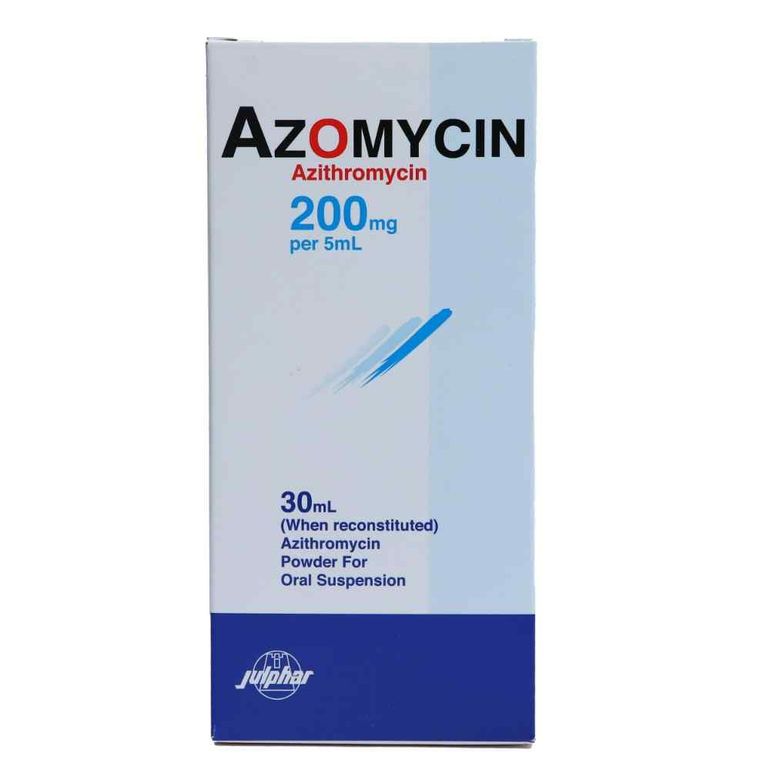
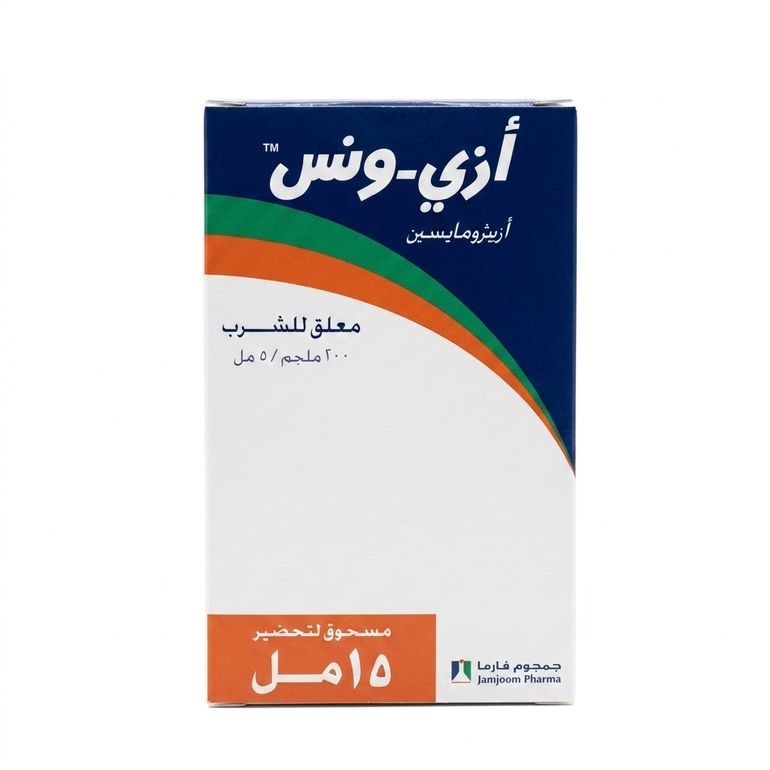
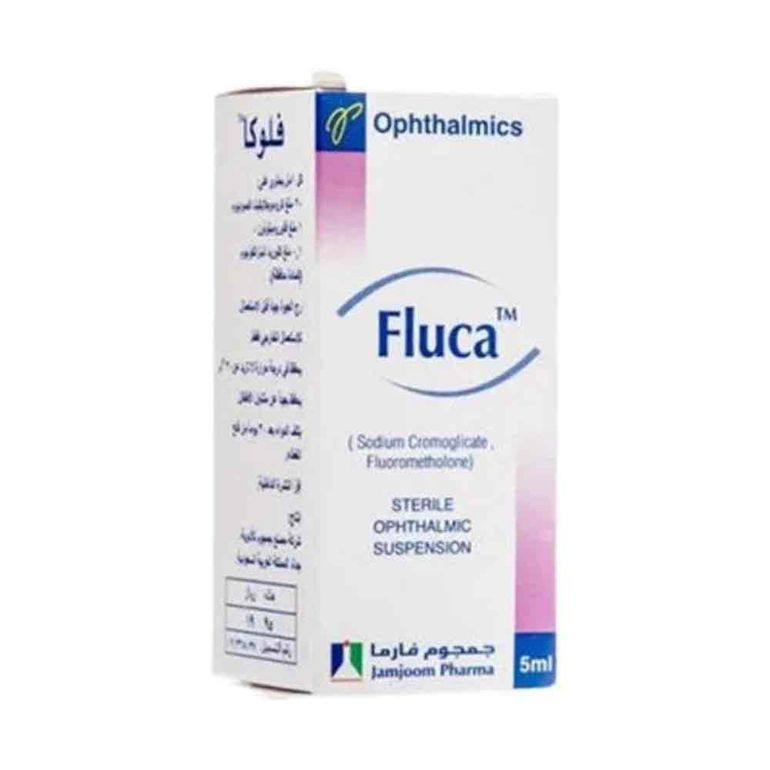
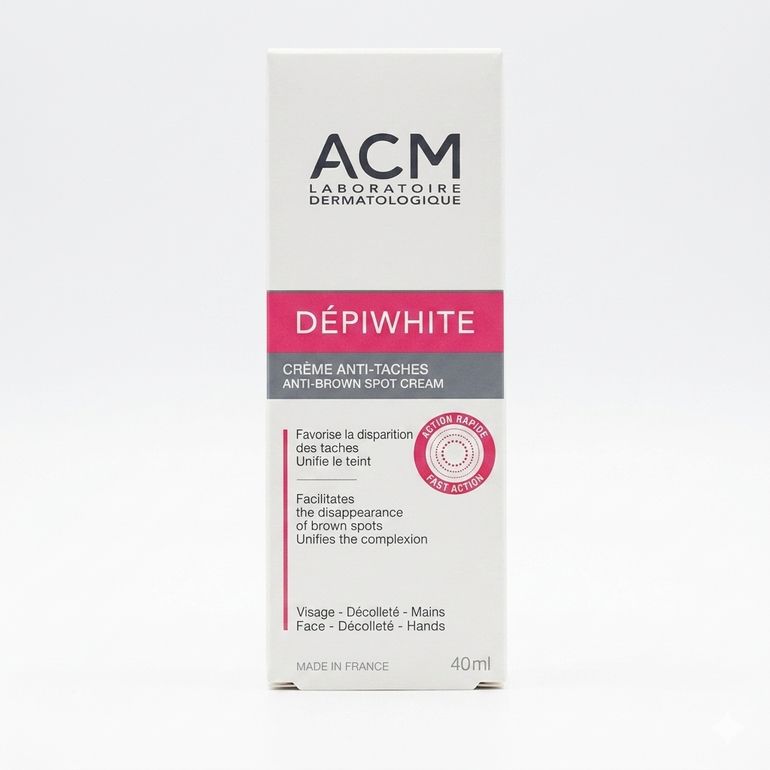
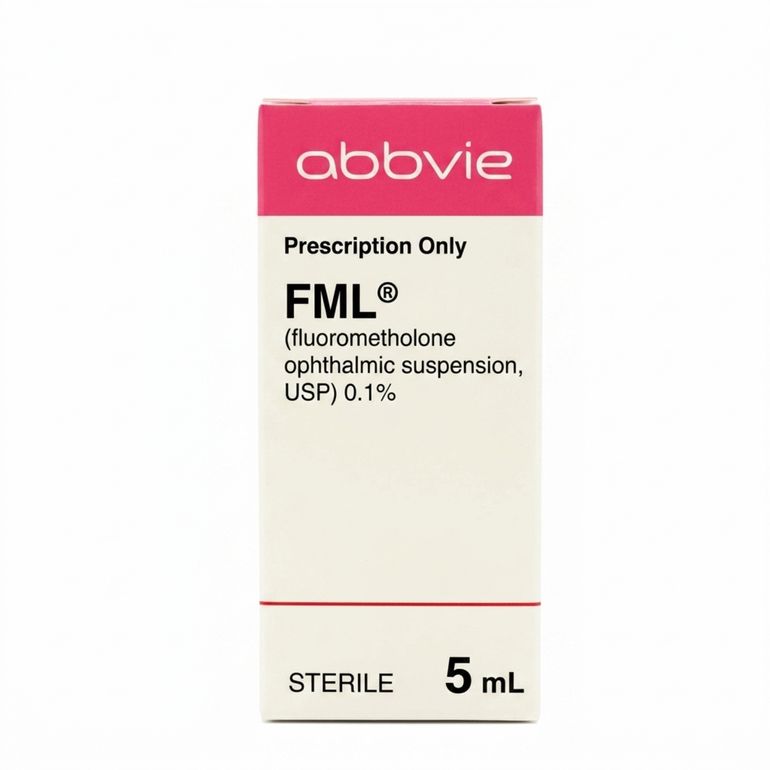
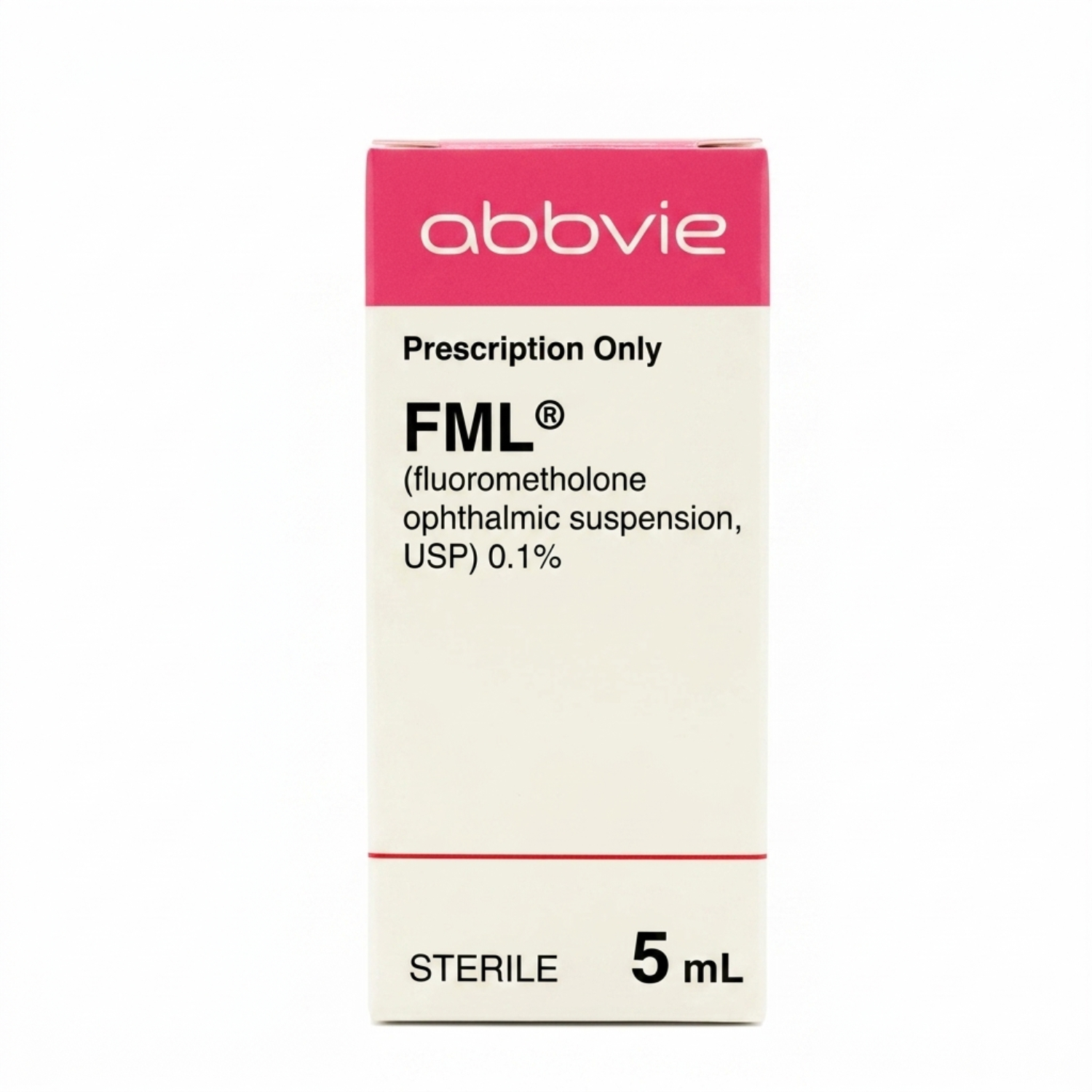
FML (Fluorometholone) Ophthalmic Suspension 0.1% is a sterile, topical corticosteroid indicated for the treatment of corticosteroid-responsive inflammation of the palpebral and bulbar conjunctiva, cornea, and anterior segment of the globe. Packaged in a 5 mL dropper bottle, this ophthalmic suspension provides targeted anti-inflammatory action to manage non-infectious ocular conditions.
Key Medical Benefits & Clinical Value
1. Targeted Reduction of Ocular Inflammation
Fluorometholone suppresses the inflammatory response to mechanical, chemical, or immunological triggers. It effectively reduces the hallmark clinical signs of ocular inflammation, including erythema (redness), localized edema (swelling), and cellular infiltration.
2. Alleviation of Severe Ocular Allergy Symptoms
For severe allergic conjunctivitis that does not respond to standard antihistamines, FML 0.1% provides profound secondary relief. It stops the persistent itching, burning, and swelling of the conjunctiva by stabilizing cellular membranes.
3. Post-Surgical and Post-Trauma Recovery
Ophthalmic surgeons frequently prescribe FML Ophthalmic Suspension to manage postoperative inflammation following procedures like cataract surgery, corneal transplants, or laser vision correction, helping to prevent tissue scarring.
Active Ingredient & Mechanism of Action
Active Constituent: Fluorometholone 0.1% (1 mg/mL)
Fluorometholone is a synthetic glucocorticoid with a modified structure that limits deep intraocular penetration compared to stronger steroids like dexamethasone.
Mechanism of Action:
Corticosteroids work by binding to intracellular glucocorticoid receptors. This molecular binding blocks the synthesis of phospholipase A2, an enzyme essential for producing arachidonic acid. By inhibiting this pathway, the suspension prevents the formation of potent inflammatory mediators such as prostaglandins and leukotrienes.
Favorable Safety Profile: Fluorometholone is clinically preferred for surface-level ocular inflammation due to its lower propensity to increase intraocular pressure (IOP) compared to high-potency ophthalmic steroids.
Administration Instructions & Clinical Precautions
Step-by-Step Ophthalmic Administration Guide
Sanitization: Thoroughly wash hands with soap and water.
Homogenization: Shake the 5 mL bottle well before use to ensure the suspended active ingredient is uniformly distributed.
Positioning: Tilt the head back, look upward, and gently pull down the lower eyelid to create a small pocket.
Application: Hold the dropper directly over the eye without touching the eye, eyelid, or surrounding skin to maintain sterility. Squeeze one drop into the conjunctival sac.
Nasolacrimal Occlusion: Close the eye gently and press a finger against the inner corner of the eye (near the nose) for 1 to 2 minutes. This clinical technique prevents systemic absorption through the tear ducts and localizes the medication within the ocular tissue.
Lenses: If the patient wears contact lenses, they must be removed prior to instillation and left out for at least 15 minutes, as the preservative (benzalkonium chloride) can be absorbed by soft lenses.
Critical Safety Precautions
Intraocular Pressure Monitoring: Prolonged use (longer than 10 days) requires regular monitoring of intraocular pressure by an optometrist or ophthalmologist, as steroids can induce glaucoma or cataracts in susceptible patients.
Contraindications: Absolutely contraindicated in most viral diseases of the cornea and conjunctiva, including epithelial herpes simplex keratitis (dendritic keratitis), vaccinia, and varicella, as well as mycobacterial and fungal infections of the eye. Steroids suppress the immune response and can exacerbate active infections.
Storage: Store upright below 25°C. Do not freeze. Discard any remaining suspension 28 days after opening.





 Brands