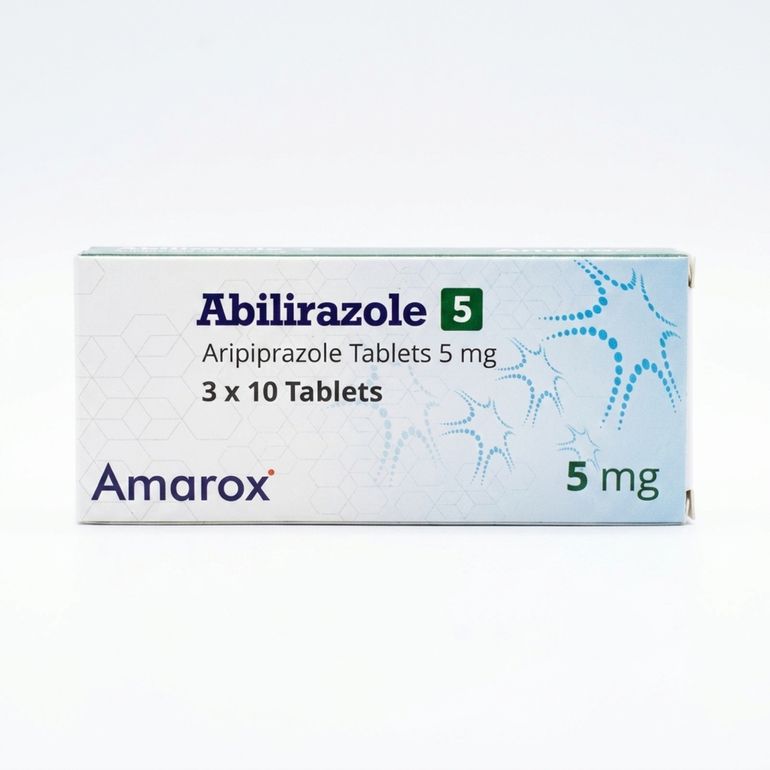
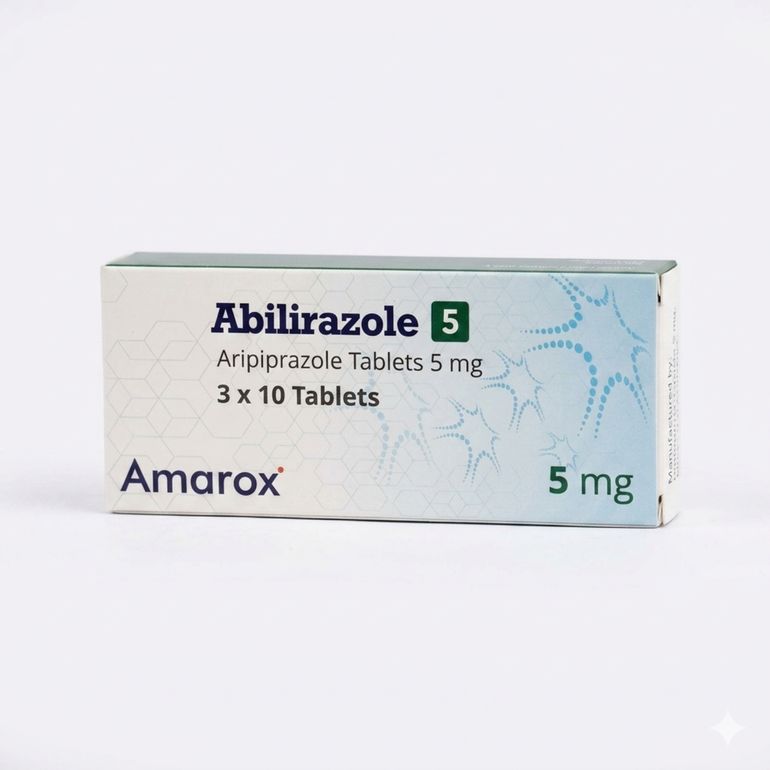
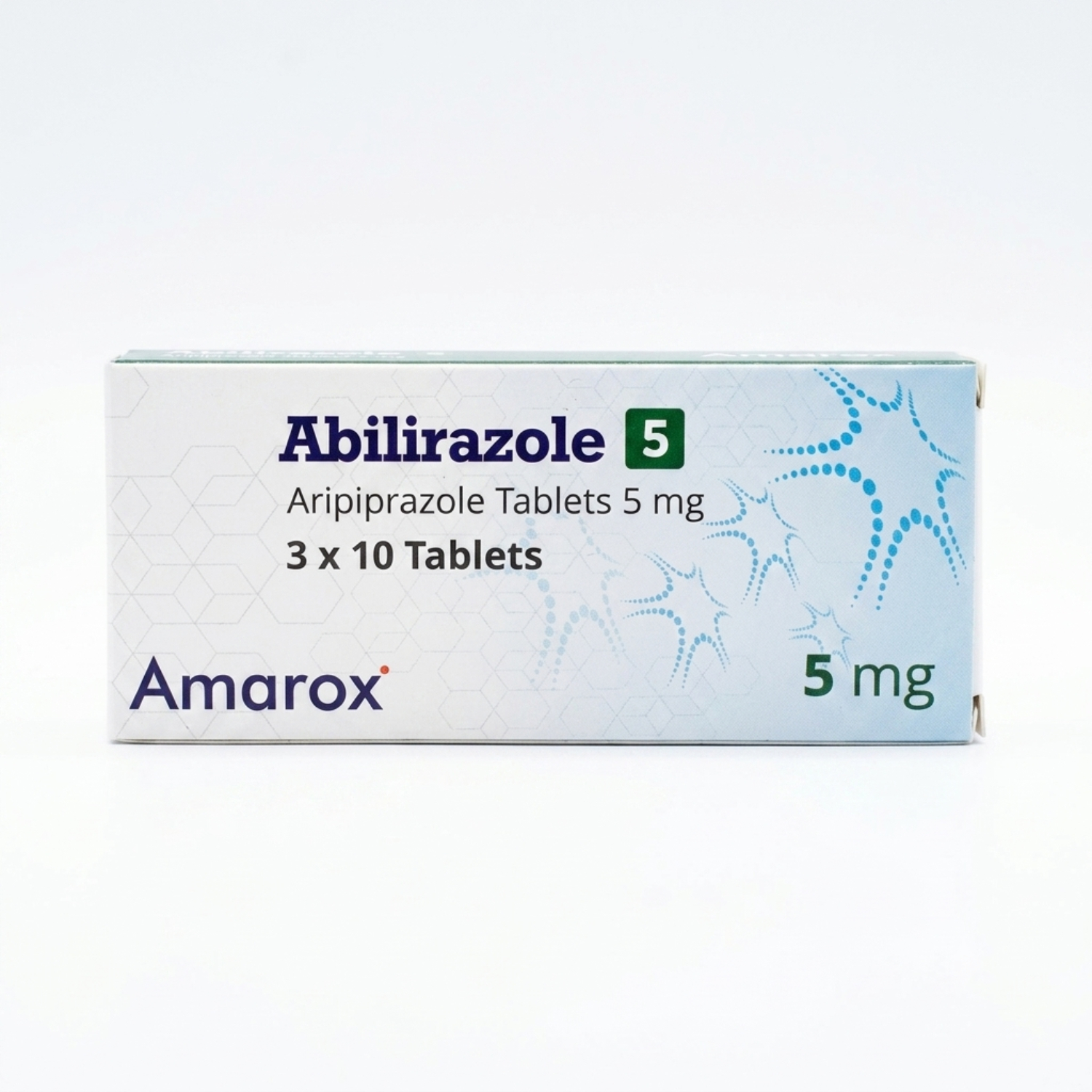
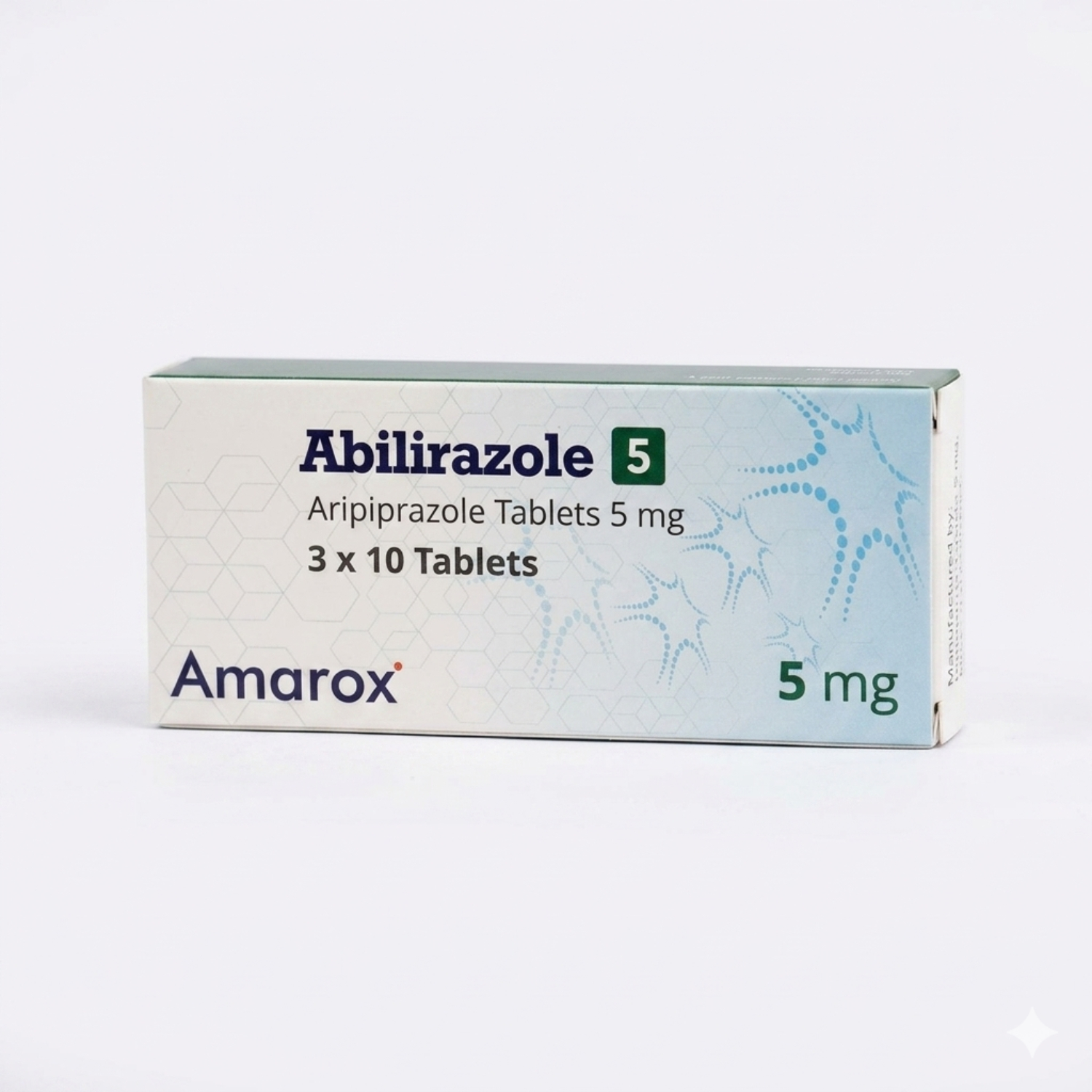
Abilirazole 5 mg is an atypical antipsychotic medication formulated to manage specific psychiatric and neurological conditions. Containing the active pharmaceutical ingredient aripiprazole, this prescription medication is primarily indicated for the treatment of schizophrenia in adults and adolescents, as well as for the management of acute manic or mixed episodes associated with Bipolar I Disorder.
Additionally, Abilirazole may be prescribed as an adjunctive (add-on) therapy alongside standard antidepressant medications for the management of Major Depressive Disorder (MDD) when first-line therapies provide incomplete symptom relief.
-
Active Ingredient: Aripiprazole (5 mg per tablet)
-
Therapeutic Class: Atypical Antipsychotic / Second-Generation Antipsychotic (SGA)
-
Pharmaceutical Form: Oral Tablets
-
Pack Size: 30 Tablets (3 blisters × 10 tablets)
Therapeutic Indications & Clinical Benefits
Abilirazole plays a central role in stabilizing neural pathways to alleviate core symptoms associated with mood and psychotic disorders.
Key Clinical Applications:
-
Schizophrenia Management: Helps reduce positive symptoms (such as hallucinations, delusions, and thought disturbances) and negative symptoms (such as apathy, emotional withdrawal, and social anxiety), facilitating functional recovery and reducing the risk of relapse.
-
Bipolar I Disorder: Formulated to control acute manic episodes characterized by elevated mood, hyperactivity, impulsivity, and reduced need for sleep, while supporting long-term mood stabilization.
-
Adjunctive Treatment for Major Depressive Disorder: Helps enhance therapeutic outcomes when major depressive symptoms persist despite adherence to standard antidepressant monotherapy.
-
Irritability Associated with Autistic Disorder: Indicated in specific pediatric populations (as determined by a medical specialist) to manage symptoms of severe agitation, temper tantrums, and behavioral disturbances.
Active Ingredient & Mechanism of Action
Active Ingredient: Aripiprazole (5 mg)
Aripiprazole is recognized pharmacologically as a partial dopamine agonist. Unlike first-generation antipsychotics that completely block dopamine receptors, aripiprazole exhibits a distinct dual mechanism that modulates central nervous system neurotransmission based on localized dopamine concentration.
Pharmacological Mechanism:
-
Dopamine D2 Partial Agonism: In brain regions where dopamine activity is excessive (hyperdopaminergic states), aripiprazole acts as an antagonist to reduce psychotic symptoms. In areas where dopamine activity is deficient (hypodopaminergic states), it acts as a partial agonist to improve cognitive function and mood.
-
Serotonin Receptor Modulation:
-
Acts as a partial agonist at serotonin 5-HT1A receptors, contributing to anxiolytic and antidepressant effects.
-
Acts as a potent antagonist at serotonin 5-HT2A receptors, minimizing extrapyramidal side effects (EPS) and metabolic disturbances.
This balanced activity reduces the likelihood of severe extrapyramidal symptoms, hyperprolactinemia, and excessive sedation compared to conventional antipsychotic agents.
Posology & Administration Guidelines
-
Administration Route: Oral administration only.
-
Food Effect: Tablets can be taken with or without food. Swallow the tablet whole with a full glass of water.
-
Dosing Schedule: Take exactly as prescribed by your physician, usually once daily at the same time each day to maintain consistent drug plasma levels.
-
Dose Adjustments: Dosing must be individualised based on clinical response, diagnosis, and patient tolerance. Do not increase, decrease, or discontinue the dose without direct consultation with a qualified healthcare professional.
Safety Precautions, Warnings & Contraindications
Boxed Warnings & Clinical Precautions
-
Elderly Patients with Dementia-Related Psychosis: Antipsychotic medications, including aripiprazole, are associated with an increased risk of mortality in elderly patients with dementia-related psychosis. Abilirazole is not approved for the treatment of dementia-related psychosis.
-
Suicidal Thoughts and Behaviors: Patients with major depressive disorder receiving adjunctive treatment should be closely monitored for clinical worsening and the emergence of suicidal ideation, particularly during the initial weeks of treatment or following dose adjustments.
Precautions for Use
-
Neuroleptic Malignant Syndrome (NMS): A potentially fatal symptom complex that requires immediate medical attention. Symptoms include high fever, muscle rigidity, altered mental status, and autonomic instability.
-
Tardive Dyskinesia: Long-term use may cause involuntary, repetitive muscular movements, primarily in the facial region.
-
Metabolic Monitoring: Periodic monitoring of blood glucose levels, lipid profiles, and body weight is recommended due to potential metabolic changes.
-
Orthostatic Hypotension: Aripiprazole may cause dizziness or lightheadedness upon standing due to alpha-1 adrenergic receptor antagonism. Use caution when rising from a sitting or lying position.
Drug Interactions
Inform your doctor or pharmacist of all concurrent medications, including prescription drugs, over-the-counter medicines, and herbal supplements.
-
CYP3A4 and CYP2D6 Inhibitors/Inducers: Strong CYP3A4 inhibitors (e.g., ketoconazole) or CYP2D6 inhibitors (e.g., fluoxetine, paroxetine) increase aripiprazole exposure and may require a dose reduction. Strong CYP3A4 inducers (e.g., carbamazepine) decrease aripiprazole levels, requiring a dose adjustment.
-
CNS Depressants & Alcohol: Concomitant use with alcohol or central nervous system depressants may enhance sedative effects.
Storage & Handling Conditions
-
Store below 30°C in a cool, dry place away from direct light and moisture.
-
Keep the tablets in their original blister package until administration.
-
Keep out of reach and sight of children.
-
Do not use past the expiration date printed on the outer carton and blister foil





 Medication