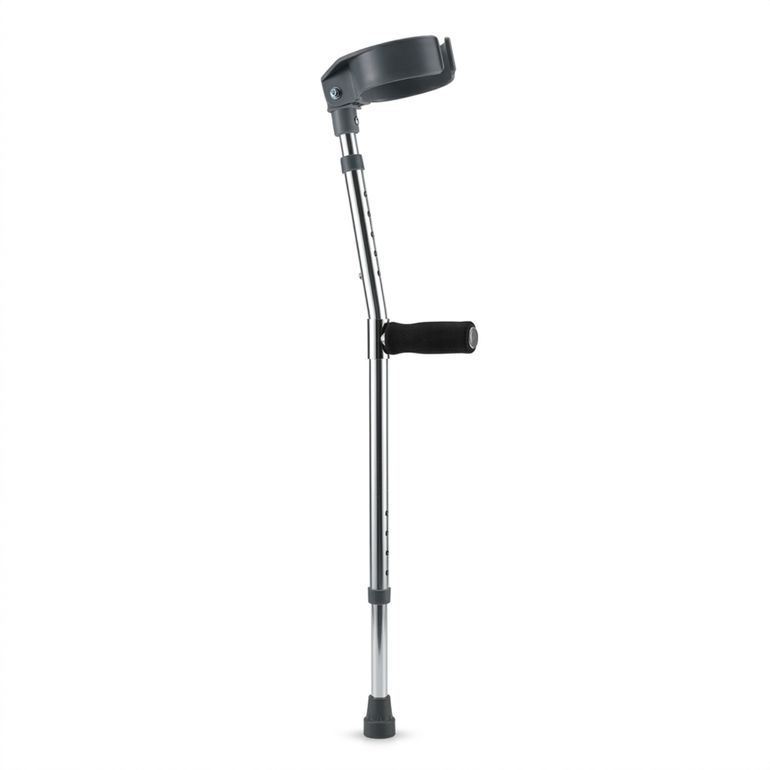
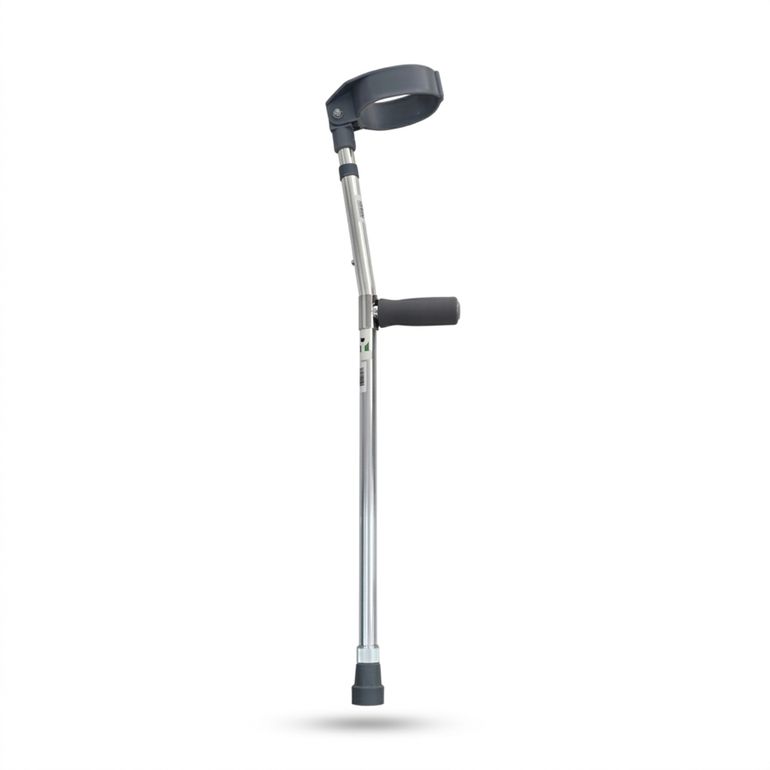
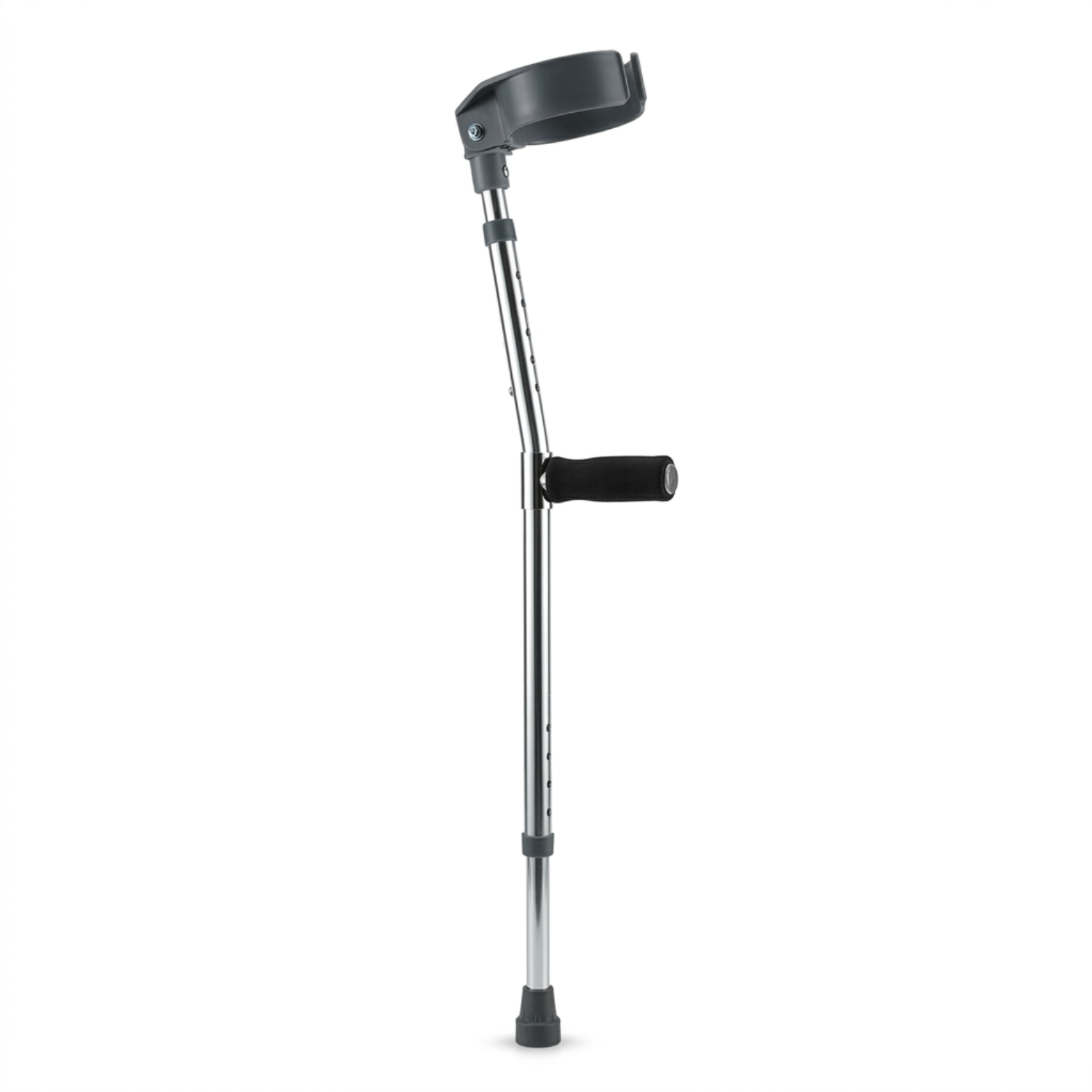
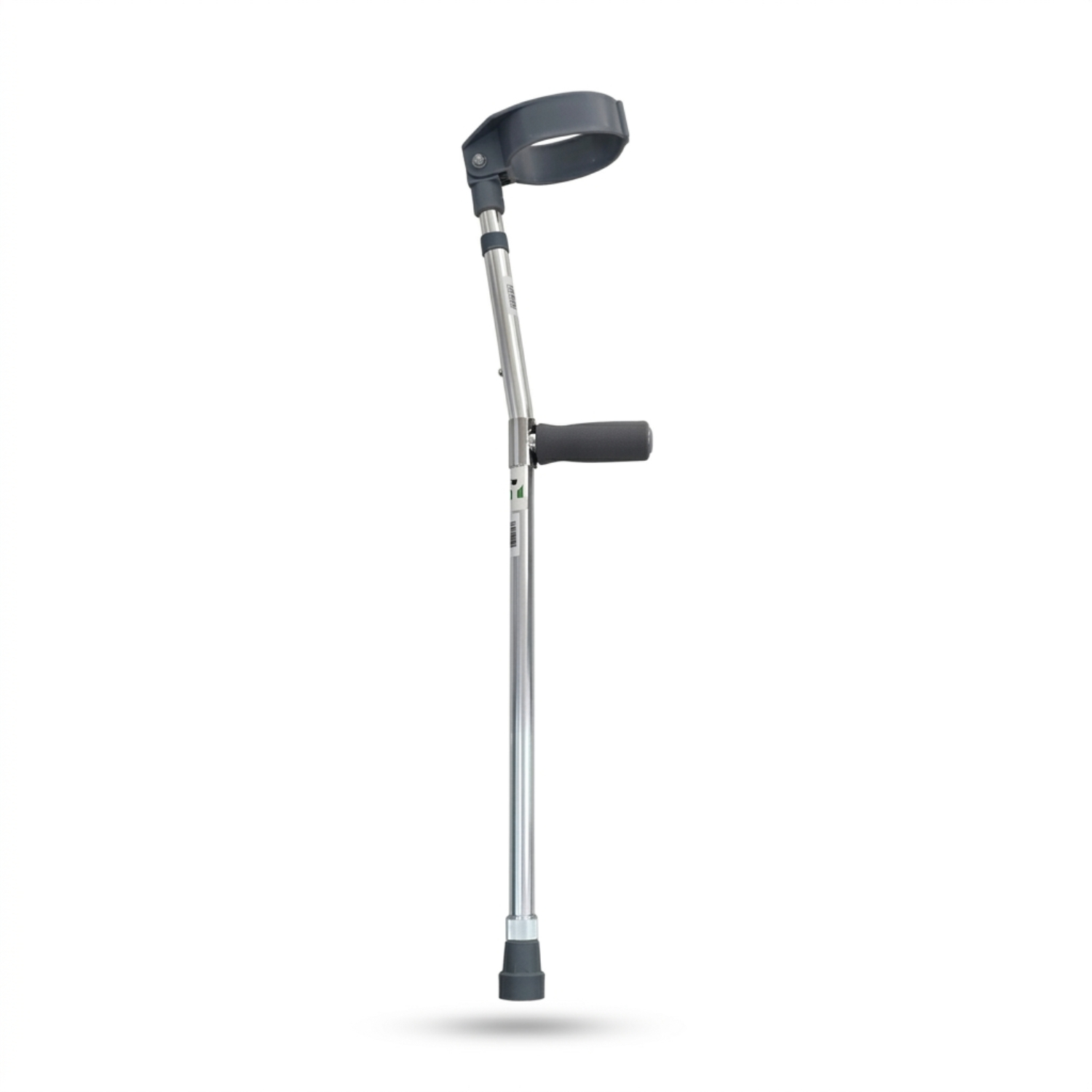
Aluminium Elbow Crutch KJT918B is a premium mobility aid designed to provide reliable support and stability for individuals requiring assistance with ambulation. Crafted from high-grade aluminium, this forearm crutch offers a robust yet lightweight solution for navigating daily activities. Its ergonomic design and adjustable features make it suitable for a wide range of users, supporting recovery from lower limb injuries, post-operative rehabilitation, or long-term mobility challenges. This medical-grade device is engineered for patient safety and enhanced independent movement.
Key Benefits
The KJT918B crutch is expertly designed with user comfort and functional support in mind. The choice of aluminium as the primary material ensures the crutch is exceptionally lightweight, significantly reducing user fatigue during prolonged use, while maintaining superior durability and resistance to corrosion for long-lasting performance. The elbow (forearm) design distributes weight effectively through the forearm, alleviating pressure on the hands and wrists often associated with traditional underarm crutches, thus promoting better posture and a more natural gait. This design enhances stability and balance, crucial for safe ambulation. Furthermore, the adjustable height settings allow for a personalized fit, ensuring optimal biomechanical alignment and maximum support for varying user heights. Equipped with comfortable handgrips and non-slip rubber ferrules, this crutch provides secure traction on various surfaces, improving user confidence and safety during every step. It is an essential aid for rehabilitation, helping users regain mobility and independence effectively.
How to Use
For optimal safety and effectiveness, proper adjustment and usage of the Aluminium Elbow Crutch KJT918B are crucial. Begin by adjusting the crutch height so that the handgrip aligns with your wrist crease when standing upright with your arms relaxed by your sides. The forearm cuff should sit approximately one to two inches below your elbow, providing secure support without restricting arm movement. Ensure all locking mechanisms are securely fastened before use. When walking, advance both crutches forward a comfortable distance, then move your affected leg between the crutches, followed by your unaffected leg. Maintain a straight posture and look forward to help with balance. Regularly inspect the rubber ferrules for wear and tear, replacing them as needed to ensure maximum grip and stability. For personalized guidance on gait training and crutch fitting, consulting a healthcare professional or physical therapist is highly recommended to ensure safe and appropriate use according to your specific needs.





 Medical Accessories