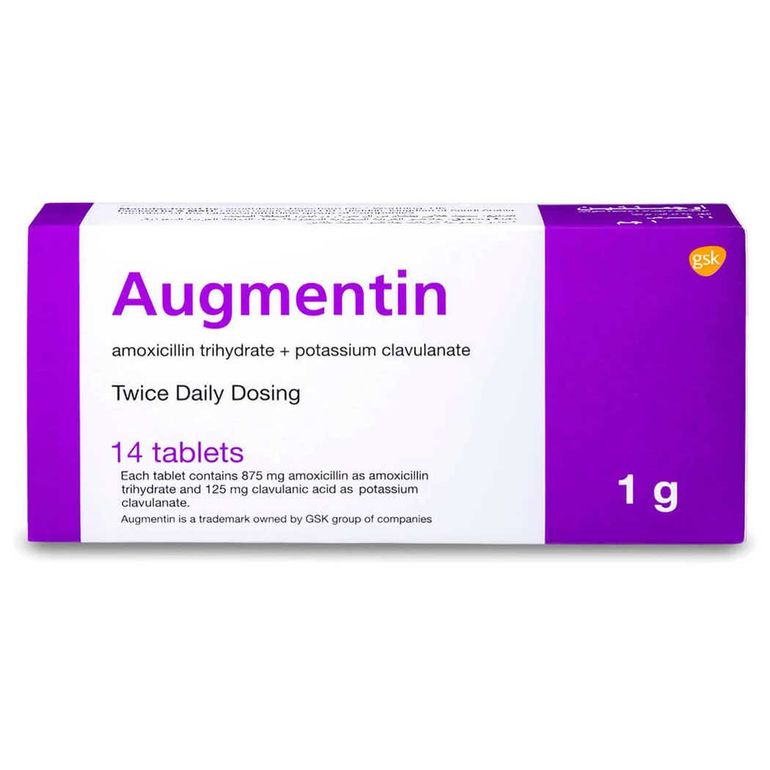
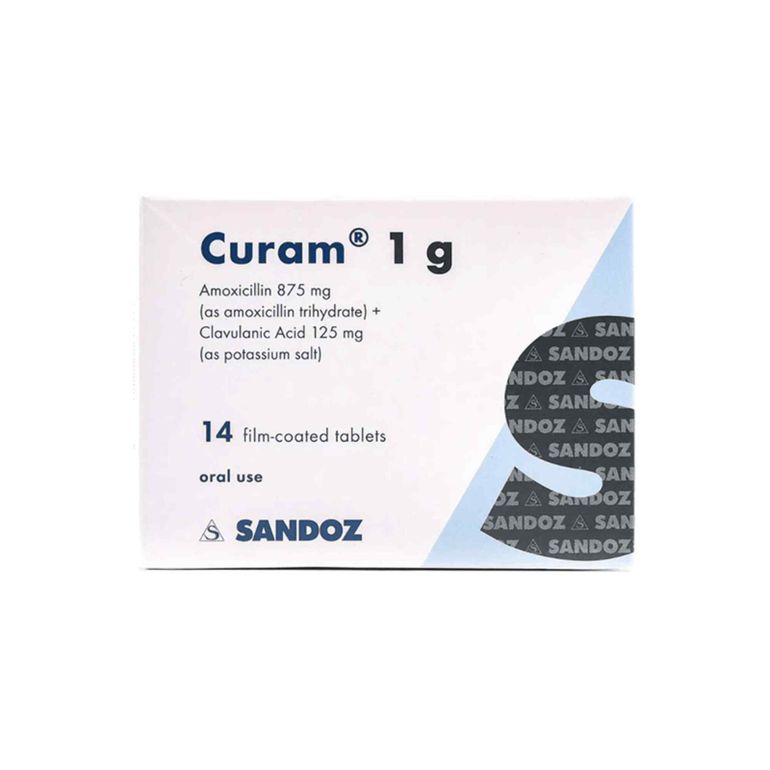
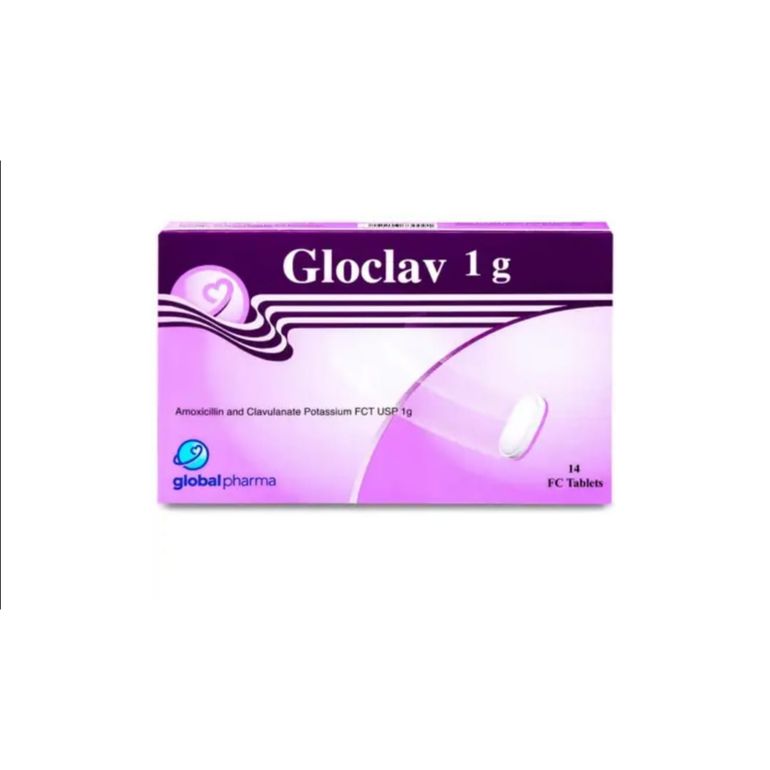
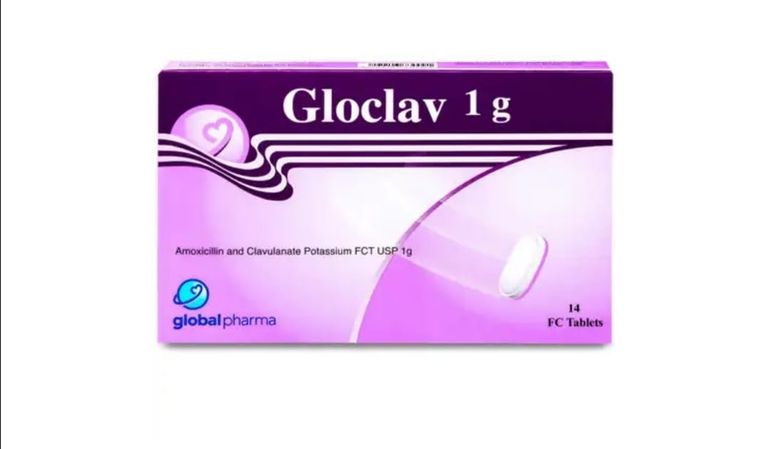
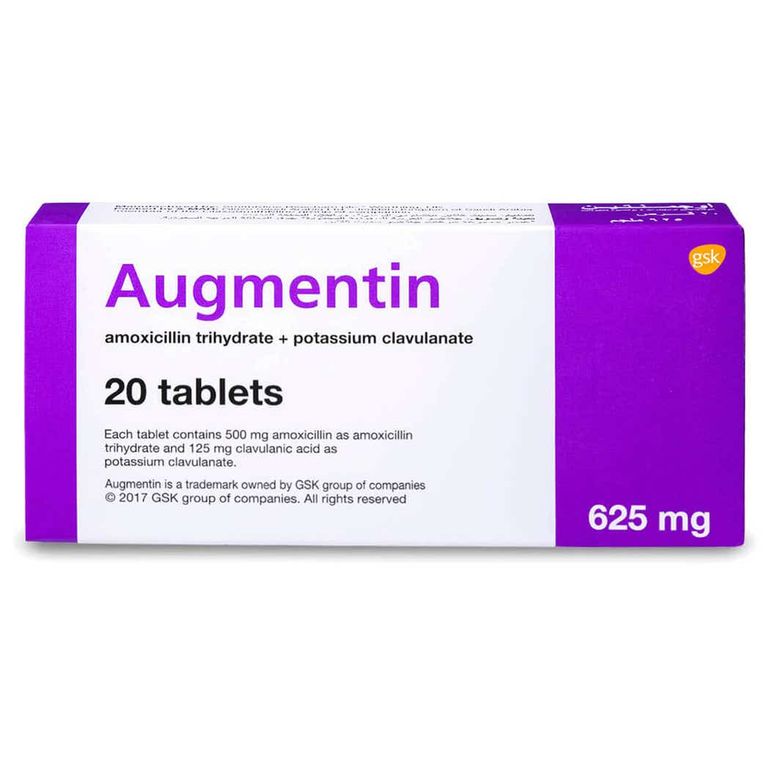
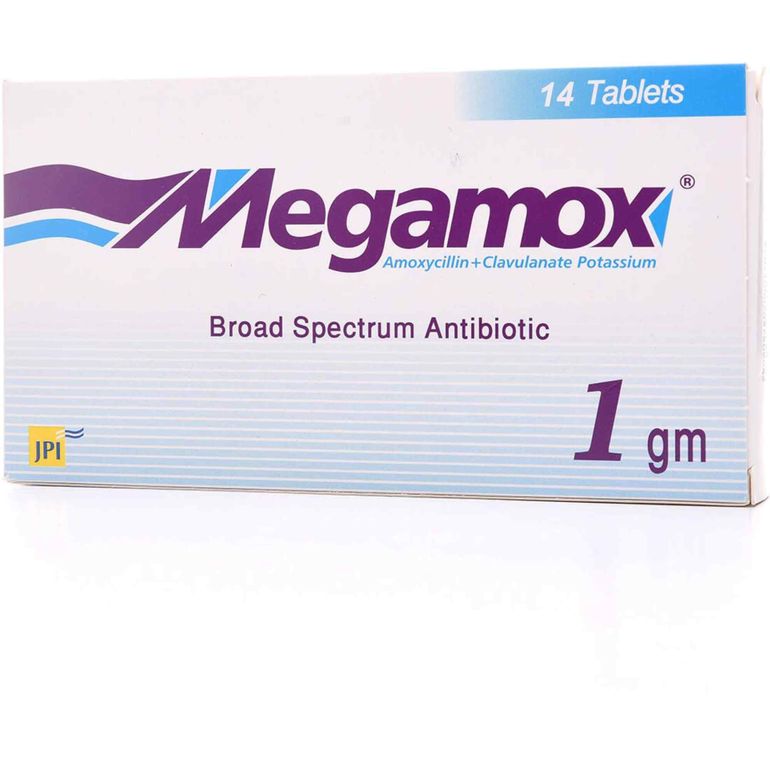
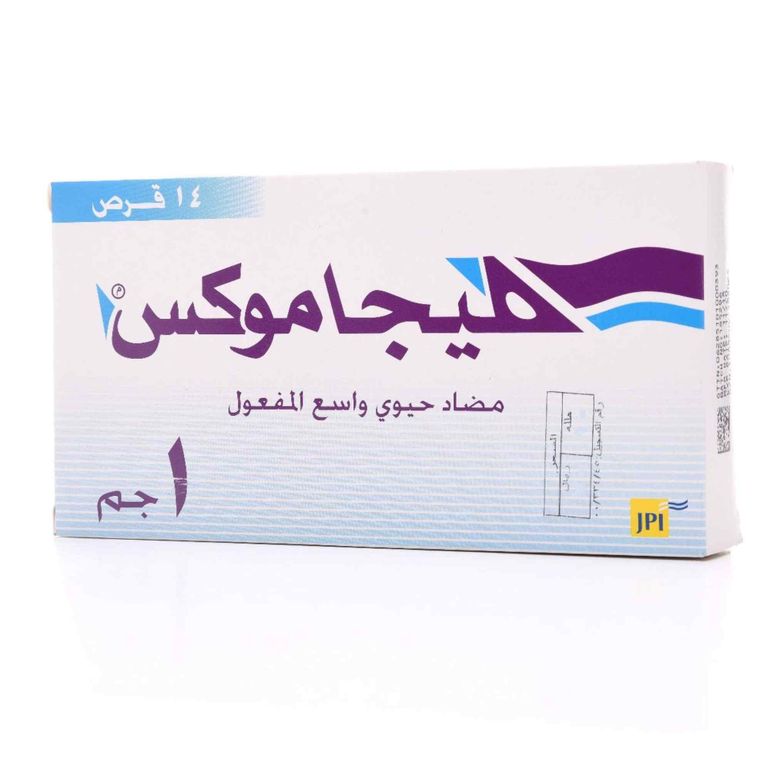
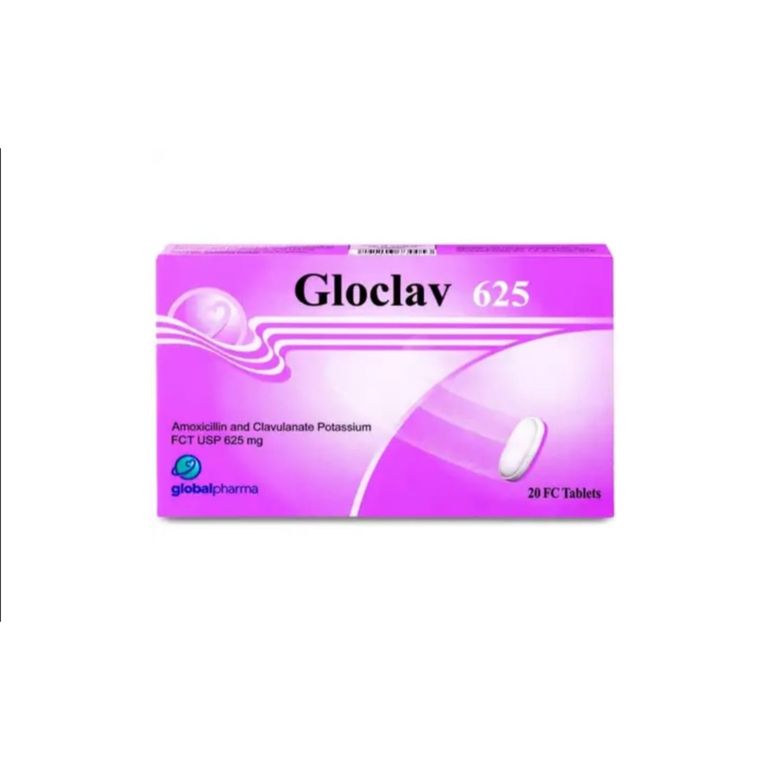
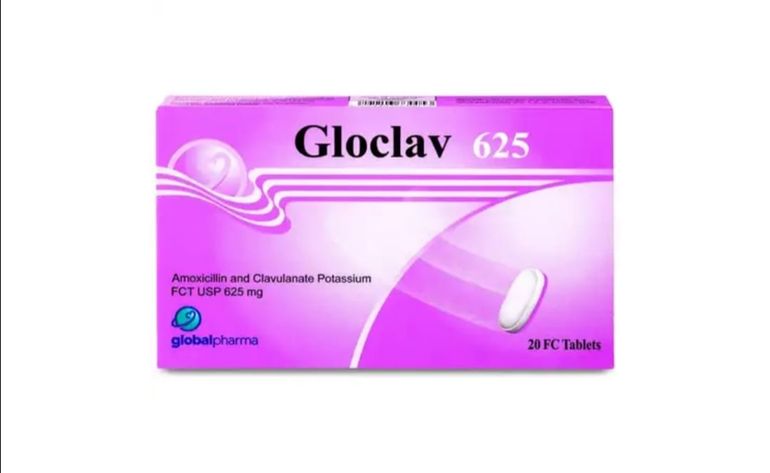
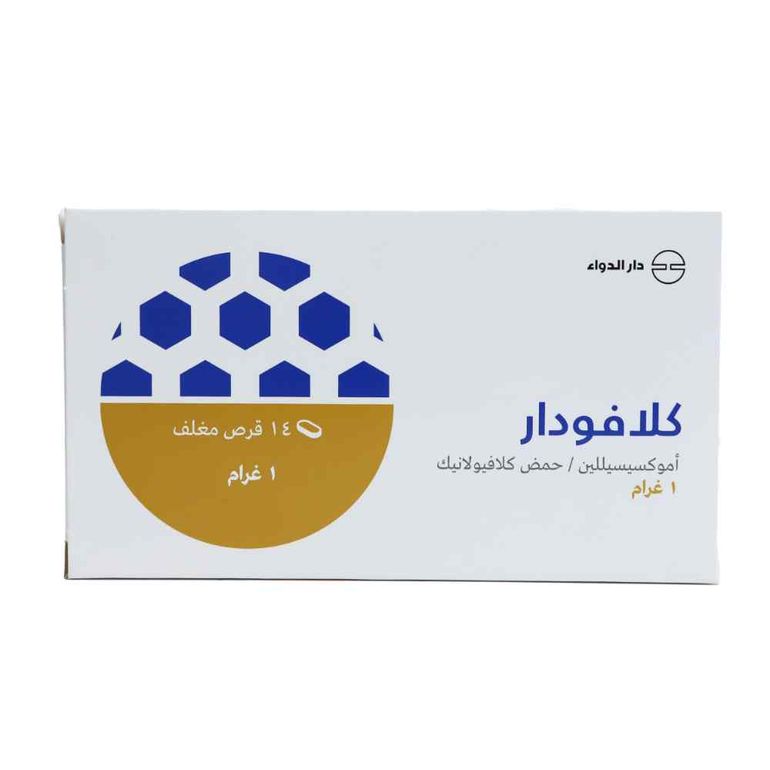
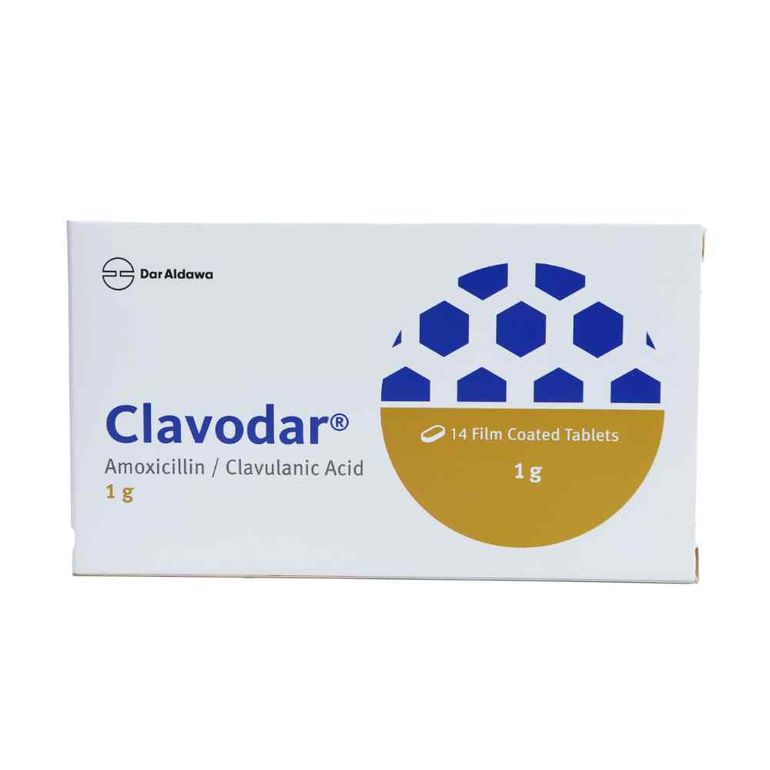
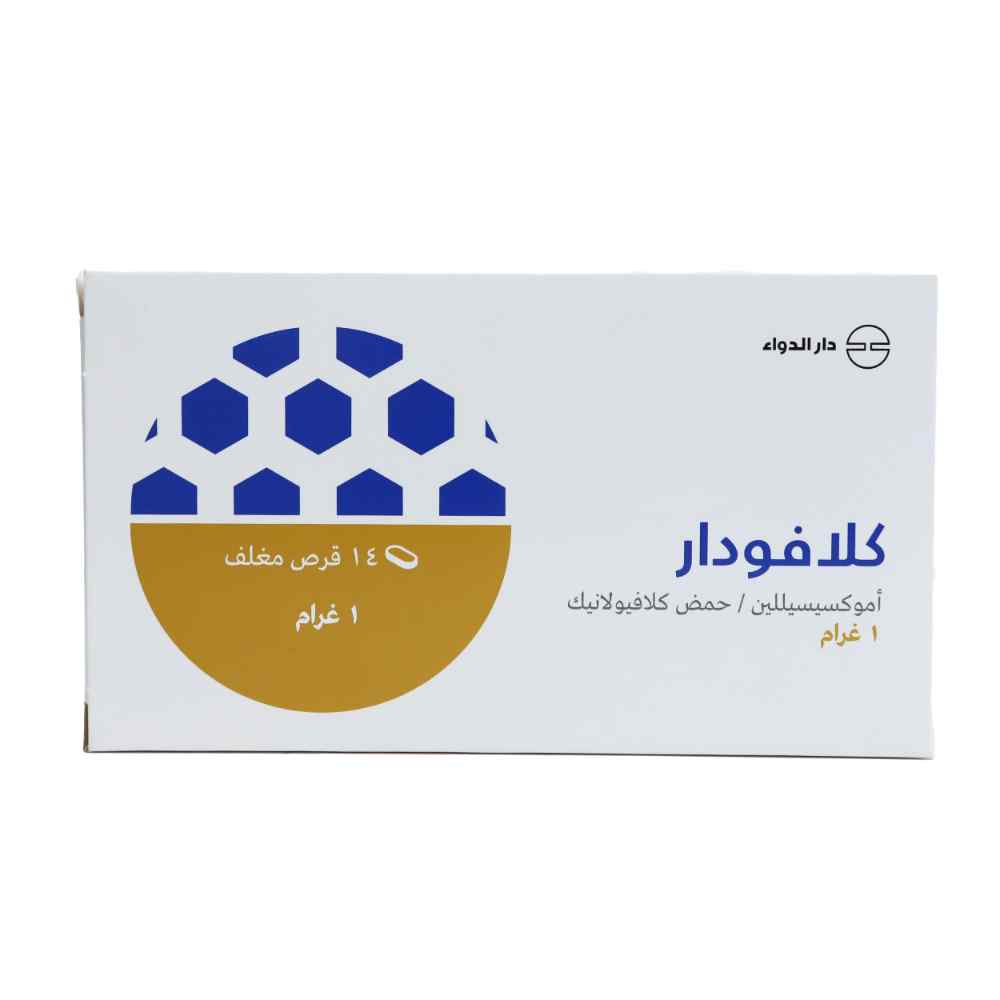
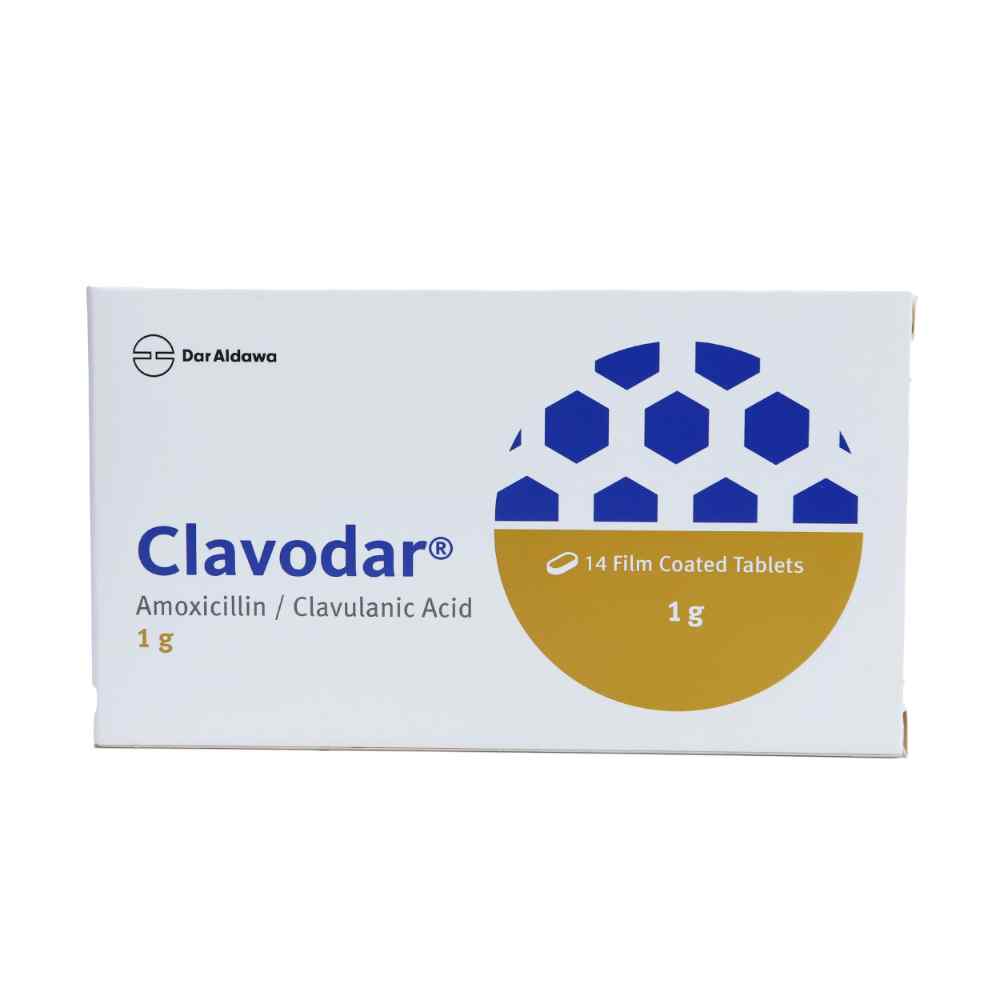
Clavodar 1g is a prescription-only, broad-spectrum oral antibacterial formulation combining a penicillin-class antibiotic with a beta-lactamase inhibitor. It is clinically indicated for the management and treatment of a wide range of bacterial infections in adult and pediatric patients weighing 40 kg or more.
By combining two synergistic active agents, Clavodar effectively overcomes bacterial resistance mechanisms caused by beta-lactamase production, extending its clinical utility beyond that of standard amoxicillin alone.
Note: Clavodar is strictly indicated for confirmed or strongly suspected bacterial pathogens. It does not treat viral infections, including influenza or the common cold.
Key Medical Indications and Benefits
Clavodar 1g is prescribed to treat acute and chronic bacterial infections across multiple physiological systems where resistant pathogens may be present:
Upper Respiratory Tract Infections: Acute bacterial sinusitis, recurrent or severe otitis media, and tonsillitis/pharyngitis.
Lower Respiratory Tract Infections: Community-acquired pneumonia (CAP) and acute exacerbations of chronic bronchitis.
Genitourinary Tract Infections: Complicated and uncomplicated urinary tract infections (UTIs), pyelonephritis, and cystitis.
Skin and Soft Tissue Infections: Cellulitis, animal or human bites, and severe dental abscesses with spreading cellulitis.
Bone and Joint Infections: Osteomyelitis requiring prolonged oral follow-up therapy.
Active Ingredients and Mechanism of Action
Each film-coated tablet contains two active pharmaceutical ingredients carefully formulated for optimal therapeutic efficacy:
Amoxicillin (as Amoxicillin Trihydrate): 875 mg
Clavulanic Acid (as Potassium Clavulanate): 125 mg
Mechanism of Action
Bactericidal Activity: Amoxicillin acts by inhibiting the synthesis of bacterial cell walls during active multiplication. It binds to penicillin-binding proteins (PBPs), leading to cell wall weakening and osmotic lysis of susceptible organisms.
Beta-Lactamase Inhibition: Many bacteria produce beta-lactamase enzymes that hydrolyze and deactivate the beta-lactam ring of amoxicillin, conferring resistance. Clavulanic Acid acts as a suicide inhibitor of these enzymes, protecting amoxicillin from degradation and restoring its antimicrobial activity against beta-lactamase-producing strains.
Dosage and Administration Guidelines
Dosage regimens are determined by a physician based on the severity, site, and susceptibility of the infection, as well as the patient's renal function.
Standard Adult Dosage: Typically one 1g tablet administered twice daily (every 12 hours) for the duration prescribed by the healthcare provider.
Administration: Tablets should be swallowed whole with a full glass of water. They should not be chewed or crushed.
GI Tolerability Optimization: Administer Clavodar at the start of a meal. This timing optimizes the absorption of clavulanic acid while minimizing potential gastrointestinal side effects (e.g., abdominal discomfort, nausea).
Course Completion: Patients must complete the full prescribed course even if symptoms resolve earlier, to prevent the emergence of antibiotic-resistant bacteria and therapeutic failure.
Safety Precautions, Contraindications, and Side Effects
Contraindications
Hypersensitivity: Known history of severe immediate hypersensitivity reactions (e.g., anaphylaxis, Stevens-Johnson syndrome) to amoxicillin, clavulanic acid, penicillins, or cephalosporins.
Hepatic Dysfunction: History of cholestatic jaundice or hepatic impairment associated with previous amoxicillin/clavulanic acid therapy.
Clinical Warnings & Precautions
Hepatic Monitoring: Hepatic dysfunction (including hepatitis and cholestatic jaundice) has been reported, predominantly in elderly or male patients and those receiving prolonged treatment. Monitor hepatic function in extended regimens.
Renal Impairment: Not recommended for patients with severe renal impairment (creatinine clearance less than 30 mL/min), as dose adjustment cannot be achieved with the 875mg/125mg tablet strength.
Superinfections: Prolonged use may result in fungal overgrowth (e.g., candidiasis) or Clostridioides difficile-associated diarrhea (CDAD).
Drug Interactions
Oral Anticoagulants (e.g., Warfarin): May prolong prothrombin time; international normalized ratio (INR) monitoring is advised.
Allopurinol: Concomitant administration increases the incidence of allergic skin rashes.
Methotrexate: Penicillins can decrease the excretion of methotrexate, potentially increasing toxicities.





 Medication